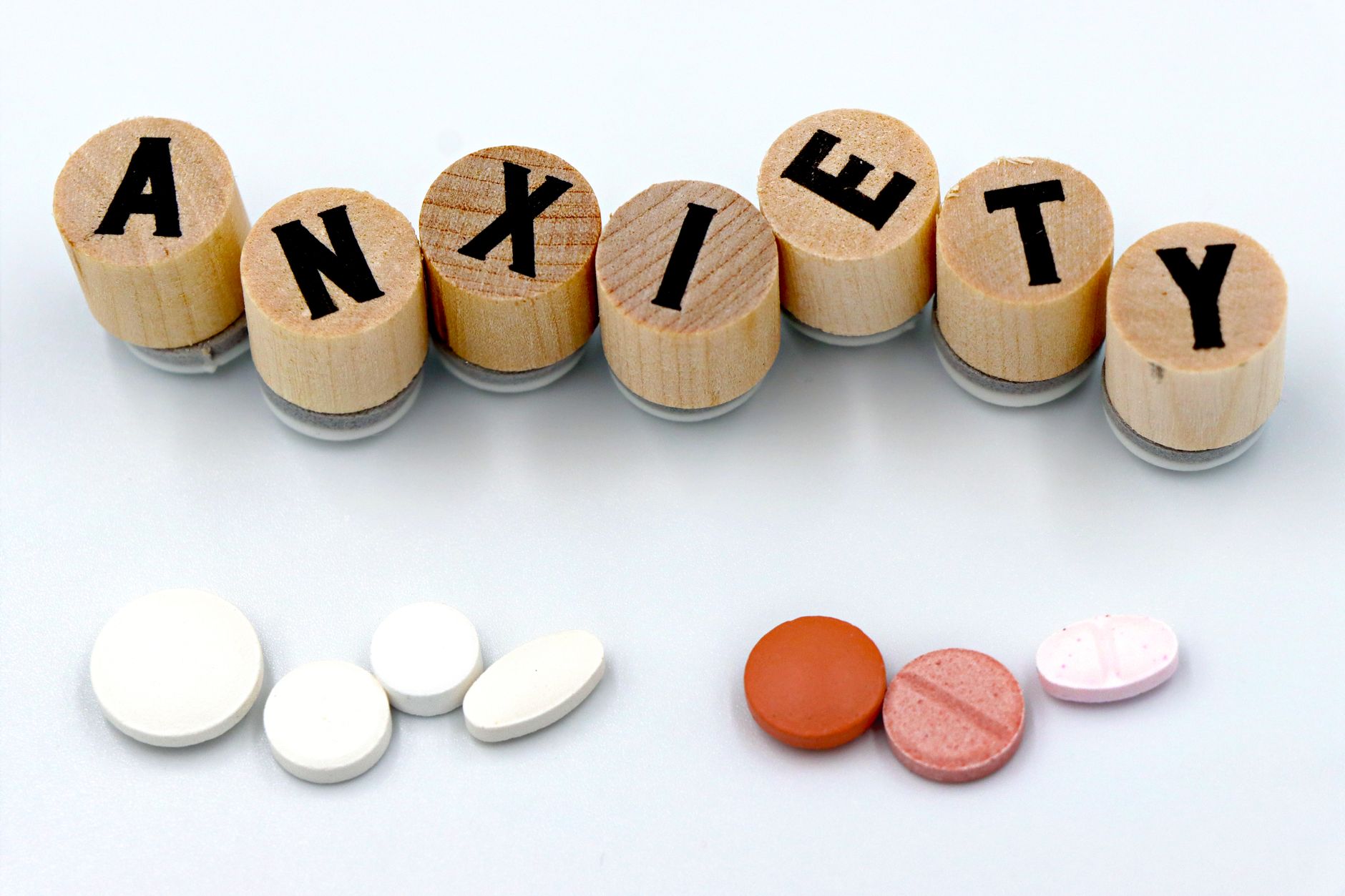
Anxiety disorders are common mental health conditions that can significantly impact daily life. While anxiety can manifest in various forms, from mild and manageable to severely disruptive, effective strategies and treatments are available to help individuals regain control and improve their well-being.
Understanding and Managing Anxiety
Managing anxiety begins with recognizing its presence and understanding its triggers. Many individuals experience continuous worrying or overthinking, a process known as rumination. Learning to identify and interrupt these thought patterns is crucial for effective management.
Simple yet powerful techniques can help calm anxiety in the moment. The “333 rule” is a popular coping method where you name three objects you see, three sounds you hear, and move three parts of your body. Other immediate relief methods include grounding techniques, which help quiet distressing thoughts by focusing on the present moment, and guided imagery, where you envision peaceful settings.
Beyond immediate relief, developing long-term coping skills is essential. This includes practicing mindfulness, exploring meditation for anxiety reduction, and even utilizing specialized apps designed to support mental well-being. Identifying personal triggers through self-reflection can empower individuals to anticipate and better manage anxious responses.
Therapeutic Approaches for Anxiety
Psychotherapy is a cornerstone of anxiety treatment, offering various modalities to help individuals manage symptoms. Cognitive Behavioral Therapy (CBT) is particularly effective, teaching individuals to identify and change negative thought patterns and behaviors contributing to anxiety. Exposure therapy, often used for specific phobias and OCD, gradually exposes individuals to anxiety-provoking situations in a controlled environment to reduce fear responses.
Choosing the right type of therapy depends on individual needs and the specific anxiety disorder. Other emerging approaches, such as equine-assisted therapy, are also being explored for their potential benefits in mental health.
Medication Options for Anxiety
For some individuals, medication can be a vital component of an anxiety treatment plan, especially when symptoms are severe or significantly impair daily functioning. Various drugs are prescribed to treat anxiety disorders, including benzodiazepines like Xanax (alprazolam) and Lorazepam. It’s important to understand their effects, potential side effects, and risks, such as tolerance and overdose, and to use them strictly under medical supervision.
Newer treatments, such as ketamine therapy, are also being investigated for their potential to relieve anxiety symptoms, offering hope for those who haven’t responded to traditional treatments.
Alternative and Natural Remedies
Many individuals explore alternative and natural methods to complement their anxiety treatment. These can include a range of approaches, from herbal remedies and natural products to lifestyle changes. Meditation, as mentioned, is a well-researched technique for reducing stress and anxiety.
Other natural methods include exploring specific pressure points for temporary relief and incorporating practices that promote overall well-being. While these methods can be beneficial, it’s crucial to discuss them with a healthcare professional to ensure they are safe and appropriate, especially when combined with other treatments.
When to Seek Professional Help
Anxiety disorders are manageable, but recognizing when professional help is needed is key. If anxiety symptoms are persistent, overwhelming, or interfere with your daily life, seeking evaluation from a mental health professional is recommended. They can provide an accurate diagnosis and help develop a personalized treatment plan that may include therapy, medication, or a combination of approaches.
Leave a Reply