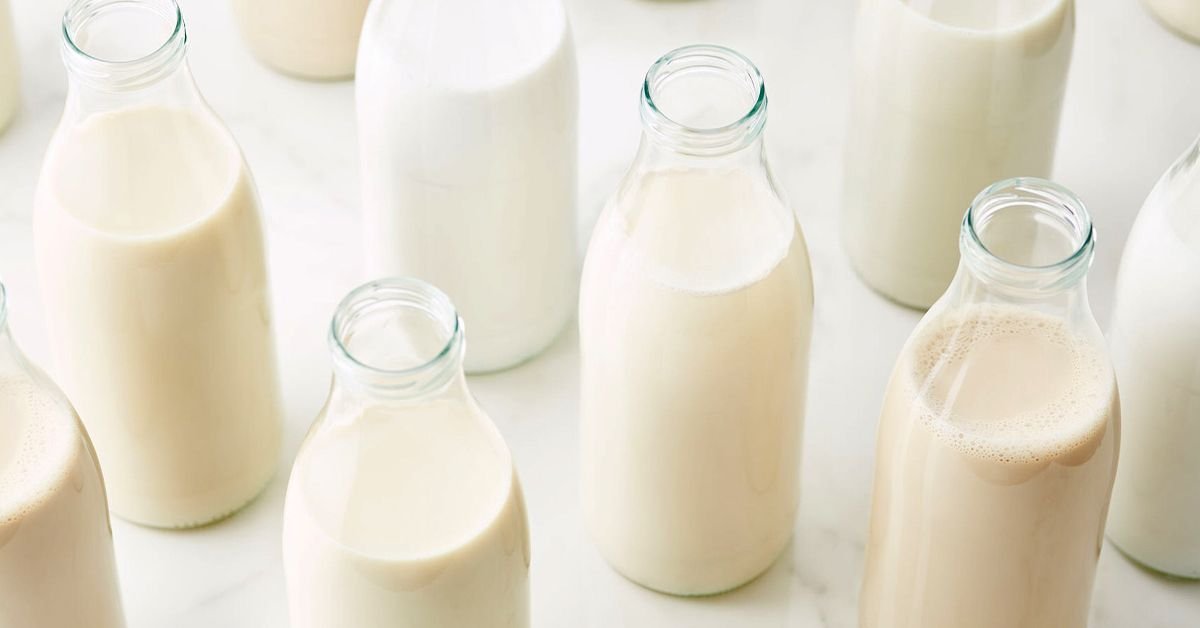
Over the past decade, the dairy aisle has undergone a remarkable transformation. What was once a domain dominated by cow milk in whole, reduced-fat, and skim varieties has exploded into a diverse spectrum of plant-based alternatives. From creamy oat and classic soy to delicate almond, hemp, rice, and pea formulations, consumers now enjoy an unprecedented array of choices. Driven by animal welfare concerns, lactose intolerance, dietary preferences, and a growing awareness of climate change, millions of people worldwide have made the shift away from conventional dairy.
However, as the popularity of nondairy milks has skyrocketed, environmental scientists and conscious consumers alike have begun asking a vital question: how eco-friendly are these plant-based alternatives? While it is well-established that replacing dairy with plant foods generally reduces a diet’s environmental footprint, non-dairy milks are not created equal. Every agricultural crop requires land, water, energy, and soil nutrients, and every manufacturing process generates greenhouse gases and waste stream considerations.
Understanding the ecological footprint of your favorite plant milk requires looking beyond simple marketing claims. It demands a detailed examination of life-cycle assessments, evaluating everything from water consumption in drought-prone regions and land usage in biodiverse biomes to methane production, pesticide reliance, and transport emissions. By exploring the complex ecological trade-offs associated with each plant milk variety, you can make informed decisions that align with your personal environmental priorities and health goals.
What It Is & How It Works: Evaluating the Environmental Footprint of Plant Milk
To accurately compare the ecological footprint of nondairy beverages, environmental researchers rely on Life Cycle Assessments (LCAs). An LCA evaluates the total environmental impact of a product from raw material extraction through agricultural production, processing, packaging, transport, and ultimate disposal. When applied to plant-based milks, these assessments reveal that every non-dairy alternative significantly outperforms traditional cow dairy milk across nearly every ecological metric, including greenhouse gas emissions, land use, and water consumption.
Dairy farming is inherently resource-intensive due to the biological realities of raising ruminant livestock. Cows require vast tracts of land for pasture and feed crop production, consume immense quantities of water, and generate substantial amounts of manure. Crucially, cows produce methane—a greenhouse gas with a warming potential over twenty times greater than carbon dioxide—through enteric fermentation during digestion. In stark contrast, producing plant milk involves harvesting crops directly for human consumption, eliminating the inefficient step of converting plant calories into animal tissue and milk.
The physical transformation of a plant into a liquid milk alternative typically involves soaking, grinding, blending, and straining the raw ingredient—such as nuts, seeds, grains, or legumes—with water. Manufacturers then frequently fortify the liquid with vitamins and minerals, add emulsifiers or stabilizers to maintain texture, and heat-sterilize the final product for shelf longevity. While this processing step requires water and electricity, the primary environmental impact of any plant milk remains firmly rooted in the agricultural phase where the base crop is grown.
Key Benefits, Environmental Footprints, and Evidence
While all plant milks boast a lower footprint than dairy milk, their individual impacts vary dramatically depending on the specific resource being measured. Evaluating these differences allows consumers to prioritize the environmental metrics that matter most to them, whether that is fresh water conservation, land preservation, or greenhouse gas mitigation.
- Almond Milk (High Water Usage, Low Land and Emissions): Almond production has faced intense scrutiny due to its substantial water footprint. Growing a single almond requires several liters of water, and because roughly eighty percent of the world’s commercial almond crop is cultivated in California—a region prone to recurring, severe droughts—this high water demand poses significant local ecological challenges. Furthermore, almond orchards rely heavily on commercial honeybee colonies for pollination, which can stress bee populations. On the positive side, almond trees absorb carbon dioxide throughout their long life cycles, resulting in low greenhouse gas emissions and modest land requirements.
- Soy Milk (Low Water, Moderate Land Impact, High Protein): Soy milk has a long history as a traditional beverage and remains a nutritional powerhouse closely matching cow milk’s protein content. From an environmental standpoint, soy crops use minimal fresh water and emit low levels of greenhouse gases. However, soy has historically been linked to tropical deforestation in South America. It is critical to note that the vast majority of global soy is grown for livestock feed and biofuel rather than plant milk. When soy for human consumption is sourced from non-deforested lands or grown organically, its environmental profile is exceptionally strong, aided by the plant’s ability to naturally fix nitrogen in the soil.
- Oat Milk (Balanced Footprint, Moderate Land and Water Usage): Oat milk has surged in popularity due to its rich, creamy texture and superior foaming capabilities for coffee. Environmentally, oats occupy a favorable middle ground. They require significantly less water than almonds and rice, and emit minimal greenhouse gases. Oat crops can also be grown in cooler climates and incorporated into crop rotation cycles, which naturally restores soil health and suppresses plant diseases. The main environmental consideration for oats involves chemical usage, as non-organic oats may be treated with synthetic pesticides and desiccant herbicides prior to harvest.
- Rice Milk (High Water Consumption and Methane Emissions): While hypoallergenic and naturally sweet, rice milk carries one of the highest environmental burdens among plant-based alternatives. Rice cultivation is extremely water-intensive, requiring continuous irrigation or paddies. These flooded fields create anaerobic (oxygen-deprived) soil conditions where specialized soil microbes thrive, producing high levels of methane gas. Consequently, rice milk generates more greenhouse gas emissions and uses more fresh water than oat, soy, or hemp milks.
- Hemp Milk (Exceptional Overall Environmental Profile): Hemp is increasingly recognized as an ecological champion in the plant milk market. The hemp plant grows rapidly, resists weeds naturally due to its dense canopy, and requires minimal synthetic pesticides or fertilizers. Every part of the hemp plant can be utilized—for food, textiles, building materials, and bioplastics—leaving virtually no agricultural waste. Furthermore, hemp has deep root structures that prevent soil erosion and naturally sequester substantial amounts of atmospheric carbon.
- Pea Milk (High Sustainability and Nutrient Density): Made from yellow split peas, pea milk boasts a highly favorable ecological footprint combined with a robust nutritional profile rivaling soy and dairy. Legumes like yellow peas require low water inputs, grow well in temperate regions without intensive irrigation, and naturally enrich the soil by capturing atmospheric nitrogen. This nitrogen-fixing ability dramatically reduces the need for synthetic nitrogen fertilizers, protecting nearby waterways from nutrient runoff and eutrophication.
- Coconut Milk (Low Local Water Use, High Transport and Deforestation Risk): Coconuts are grown on perennial trees that require minimal fresh water irrigation and yield fruit for decades. However, because coconut trees thrive exclusively in tropical, coastal climates—primarily across Southeast Asia—transporting the product across long distances increases its carbon footprint. Furthermore, expanding coconut plantations in tropical regions can contribute to local habitat loss and biodiversity decline if not managed through fair-trade and sustainable forestry practices.
The evidence demonstrates that there is no single perfect plant milk; rather, each option presents distinct trade-offs. Choosing the best alternative involves balancing your dietary requirements with your personal ecological priorities.
Practical Actionable Guide: Choosing the Right Milk for Your Specific Eco-Goals
Selecting the most sustainable plant milk becomes far simpler when you define your primary environmental priority. Because different crops strain different natural resources, aligning your choice with a specific ecological goal yields the greatest positive impact.
If your primary goal is conserving fresh water resources and protecting regions suffering from chronic drought, prioritize oat, hemp, soy, or pea milks. Completely avoid rice and almond milks, as both require immense volumes of water during cultivation. For consumers living in arid areas where water scarcity is an immediate concern, shifting away from almond and rice can save thousands of liters of water annually per household.
If your main concern is minimizing your climate footprint and greenhouse gas emissions, virtually any plant milk is a vast improvement over dairy. However, hemp, pea, oat, and soy milk offer the lowest absolute emissions profiles. Avoid rice milk if methane reduction is your chief objective, as flooded paddy fields emit significantly more greenhouse gases per liter than other plant crops.
If you are focused on soil conservation and biodiversity preservation, look for certified organic hemp, pea, or oat milks grown using regenerative farming practices. These crops enhance soil structure, require fewer synthetic chemical inputs, and support beneficial insect populations when integrated into diverse crop rotations.
Practical Actionable Guide: Smart Consumer Strategies for Maximum Sustainability
Making eco-friendly choices in the grocery store extends beyond simply selecting a specific plant species. Implementing smart shopping and consumption habits further reduces the overall environmental impact of your liquid diet.
First, inspect product packaging carefully. The packaging of plant milk contributes noticeably to its total life-cycle footprint. Aseptic paperboard cartons (Tetra Paks) are lightweight and energy-efficient to transport, but they consist of fused layers of paper, plastic, and aluminum foil, making them difficult to recycle in many municipal facilities. When possible, look for brands using high-density recyclable plastic jugs, glass container return programs, or concentrated powders and pastes that reduce shipping volume and water weight.
Second, consider making your own plant milk at home. Purchasing bulk dry oats, hemp seeds, or almonds and blending them with filtered tap water eliminates single-use packaging entirely, reduces transport emissions, and allows you to customize flavor without added gums, oils, or synthetic preservatives. Freshly prepared homemade oat or seed milk can be made in small batches, dramatically cutting down on domestic food waste.
Finally, practice crop diversification by rotating the types of plant milk you buy. Consuming a single crop exclusively encourages agricultural monoculture, which degrades soil nutrients and increases vulnerability to pests. By switching between oat, pea, hemp, and sustainably sourced soy milk, you encourage agricultural diversity while enjoying a broader range of dietary nutrients.
Frequently Asked Questions – FAQ
Is making plant milk at home significantly more eco-friendly than buying commercial cartons?
Yes, preparing plant milk at home can substantially reduce your environmental footprint, primarily by eliminating single-use commercial packaging and reducing transport emissions. When you purchase store-bought plant milk, you are paying for the transportation of heavy liquid that is roughly ninety percent water. By buying raw ingredients like oats or hemp seeds in bulk and blending them with local tap water, you save packaging waste and transport fuel. However, commercial producers often extract nutrients more efficiently and fortify their milks with calcium and vitamin D, so home crafters should ensure they meet their nutritional needs through other diet sources.
Which plant milk offers the best balance between low environmental impact and high nutritional value?
Soy milk and pea milk stand out as the top performers when balancing nutritional richness with environmental sustainability. Both beverages provide protein levels comparable to cow milk—roughly seven to eight grams per serving—along with complete amino acid profiles. Environmentally, both soy and yellow peas are legumes that naturally fix nitrogen in the soil, reducing the need for synthetic fertilizers. They also require far less water than almond or rice milks and generate low greenhouse gas emissions. Selecting organic, non-GMO soy or sustainably farmed pea milk yields maximum health benefits with minimal ecological strain.
Are coffee shops making a real environmental difference by replacing dairy with oat milk?
Yes, the widespread adoption of oat and other plant milks in coffee shops yields a measurable ecological benefit. Coffee drinks like lattes and cappuccinos consist mostly of milk, meaning the liquid base dictates the beverage’s overall footprint. Switching a single daily latte from cow dairy to oat milk saves significant greenhouse gas emissions, land area, and water over the course of a year. Because oat milk steams and foams similarly to dairy, it serves as an accessible gateway for mainstream consumers to reduce their daily agricultural footprint without sacrificing taste or culinary texture.
Conclusion / Final Takeaway
Transitioning from traditional dairy milk to plant-based alternatives is one of the most effective, accessible lifestyle changes an individual can make to lighten their personal environmental footprint. Regardless of whether you choose oat, soy, hemp, pea, or almond milk, every plant-based option outperforms cow milk across greenhouse gas emissions, land occupation, and overall resource allocation. Eliminating the middle step of raising livestock dramatically improves agricultural efficiency and preserves natural ecosystems.
However, true sustainability lies in understanding the nuances between options. By considering regional water availability, crop rotation benefits, soil health, and packaging choices, you can select the non-dairy milk that best fits both your health profile and environmental values. Embracing crop diversity, supporting sustainable farming practices, and remaining mindful of resource usage empowers you to enjoy your daily glass of plant milk with complete confidence in its benefits for both your body and the planet.
Leave a Reply