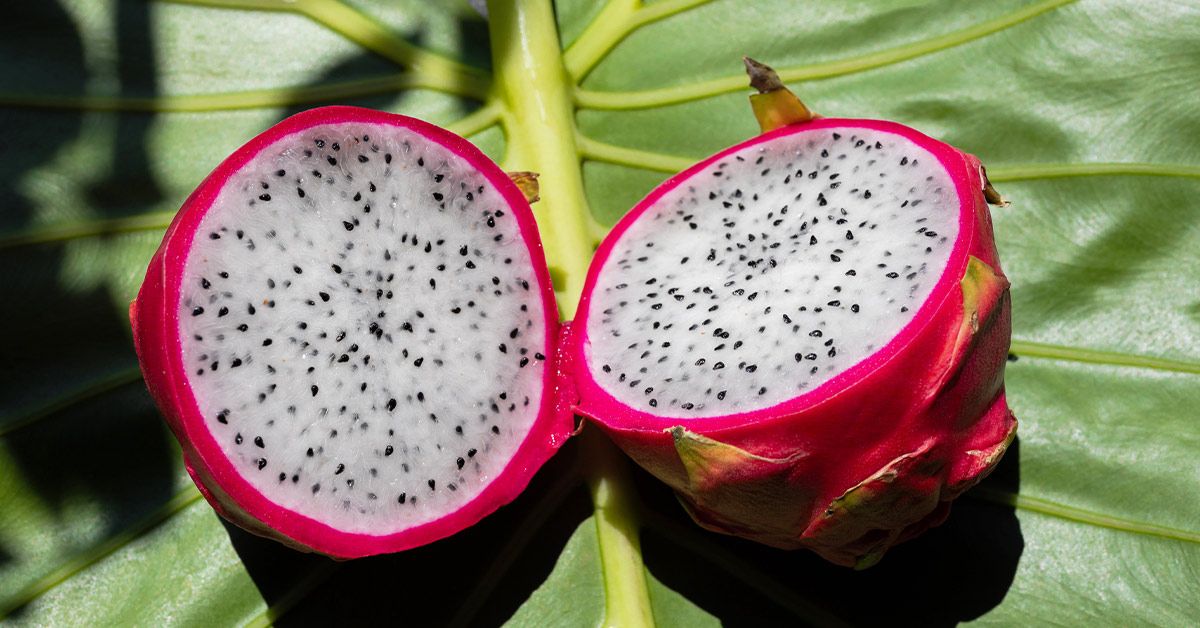
Dragon fruit, a vibrant tropical fruit, has gained significant popularity for its striking appearance and unique flavor profile. Often described as a delightful blend between a pear and a kiwi, this low-calorie fruit is also rich in fiber and antioxidants. Beyond its exotic appeal, dragon fruit is increasingly recognized for its potential health advantages.
What is Dragon Fruit?
Dragon fruit originates from the Hylocereus cactus, commonly known as the Honolulu queen, a plant whose flowers bloom exclusively at night. Native to southern Mexico and Central America, it is now cultivated globally. It is known by various names, including pitaya, pitahaya, and strawberry pear.
The most prevalent varieties feature bright red skin adorned with green scales, giving it its distinctive “dragon” moniker. While the most common type has white pulp speckled with black seeds, a less common red-pulped variety with black seeds also exists. Another distinct type, referred to as yellow dragon fruit, possesses yellow skin and white pulp with black seeds. Despite its exotic look, its taste is subtly sweet and refreshing.
Nutritional Profile
Dragon fruit offers a modest yet valuable array of nutrients. It serves as a good source of dietary fiber, iron, and magnesium. A 3.5-ounce (100-gram) serving typically provides:
- Calories: 57
- Protein: 0.36 grams
- Fat: 0.14 grams
- Carbohydrates: 15 grams
- Fiber: 3 grams
- Vitamin C: 5% of the Daily Value (DV)
- Iron: 1% of the DV
- Magnesium: 2% of the DV
Rich in Antioxidants
This tropical fruit is packed with various antioxidants, compounds crucial for protecting cells from unstable molecules called free radicals. Free radicals are associated with chronic diseases and the aging process. Key antioxidants found in dragon fruit pulp include:
- Betalains: Present in red dragon fruit, these deep red pigments have been shown to significantly reduce total cholesterol, LDL, and other health risk markers.
- Hydroxycinnamates: This group of compounds has demonstrated anticancer activity in laboratory and animal studies.
- Flavonoids: A diverse group of antioxidants linked to improved brain health and a reduced risk of heart disease.
While its overall antioxidant capacity may not be exceptionally high compared to some other fruits, dragon fruit has shown particular effectiveness in safeguarding certain fatty acids from free radical damage.
Potential Health Benefits
Preliminary research, primarily from animal studies, suggests that dragon fruit may offer several health benefits, largely attributed to its fiber and antioxidant content. Both red and white varieties have been observed to reduce insulin resistance and fatty liver in obese mice.
In one study, mice on a high-fat diet that received dragon fruit extract experienced less weight gain and reductions in liver fat, insulin resistance, and inflammation. These positive effects were partly linked to beneficial alterations in gut bacteria. Dragon fruit contains prebiotic fiber, which supports the growth of beneficial bacteria in the gut, potentially enhancing metabolic health.
While this fruit may improve certain aspects of metabolic syndrome, a condition linked to type 2 diabetes, not all effects are consistently favorable. Some studies in mice have shown improved blood sugar responses, though other liver enzyme markers might increase. Further research in humans is needed to conclusively confirm these potential benefits for conditions like type 2 diabetes.
Adverse Effects
Dragon fruit is generally considered safe for consumption. However, in very rare instances, individuals may experience an allergic reaction. There have been isolated case reports of anaphylactic reactions in individuals after consuming fruit mixtures containing dragon fruit, with testing confirming the presence of antibodies against the fruit.
How to Enjoy Dragon Fruit
Despite its exotic appearance, dragon fruit is remarkably simple to prepare and eat. To enjoy this fruit:
- Select a ripe fruit with bright red, evenly colored skin that yields slightly when gently squeezed.
- Using a sharp knife, slice the fruit straight through, cutting it in half.
- You can either scoop out the pulp directly from the skin with a spoon or peel off the skin and slice the pulp into smaller pieces.
Ideas for serving dragon fruit include:
- Eating it fresh, sliced as is.
- Chopping it into small pieces and topping with Greek yogurt and chopped nuts.
- Adding it to fruit salads or smoothies.
Conclusion
Dragon fruit is a low-calorie tropical fruit characterized by its lower sugar and carbohydrate content compared to many other tropical varieties. While animal studies indicate potential health benefits, human research is still required to fully validate these effects. Overall, dragon fruit is a distinctive, flavorful, and nutritious addition that can bring variety to your diet.
Leave a Reply