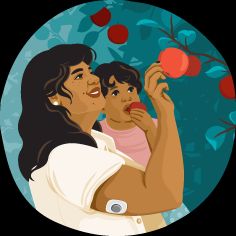
Maintaining a balanced diet is crucial for supporting overall health, especially during major life transitions such as menopause. As the body undergoes hormonal shifts, focusing on nutrient-dense foods can help manage symptoms, sustain energy levels, and prevent common concerns like age-related weight gain.
Essential Nutrition During Menopause
During perimenopause and menopause, hormonal fluctuations can significantly impact metabolism and energy. Incorporating foods rich in phytoestrogens, such as soy and flaxseeds, may help stabilize estrogen levels. Additionally, managing alcohol consumption and adopting energy-boosting meal plans can combat the fatigue and sleep disturbances often associated with this transition.
The Importance of Protein and Fiber
Adequate protein intake is vital for preserving muscle mass and supporting metabolic health as we age. Incorporating diverse protein sources, including lean meats, fish, and plant-based options like beans and lentils, ensures a steady supply of essential amino acids. Alongside protein, dietary fiber plays a key role in digestive health and cholesterol management. Balancing soluble and insoluble fiber from oats, fruits, and vegetables helps maintain satiety and supports cardiovascular wellness.
Optimizing Vitamin D and Micronutrients
Vitamin D is essential for bone density and immune function, yet many individuals experience low levels. While safe sun exposure is a primary source, incorporating vitamin D-rich foods like fatty fish and fortified products is highly beneficial. Monitoring vitamin D levels is also linked to better cholesterol management and overall metabolic health.
Healthy Eating Strategies for Women Over 50
For women over 50, dietary needs shift toward nutrient density rather than caloric abundance. Managing sudden appetite increases and selecting diets rich in antioxidants, healthy fats, and lean proteins can optimize long-term health. Tailoring nutritional choices to these changing requirements supports vitality and active aging.
Leave a Reply