Anxiety disorders are prevalent mental health conditions that are highly manageable with the right strategies and support. Understanding the various facets of anxiety, from its manifestations to effective treatment pathways, is crucial for those seeking relief and improved well-being.
Effective Strategies for Managing Anxiety
Managing anxiety involves a combination of self-awareness and practical techniques. Identifying personal triggers is a foundational step, often requiring time and self-reflection. While this process unfolds, several immediate coping mechanisms can provide relief.
Techniques such as the “333 rule” — naming three objects, three sounds, and moving three body parts — can help ground individuals in the present moment. Other methods include various calming exercises and strategies to interrupt cycles of rumination and overthinking. Continuously dwelling on the same thoughts or worries, known as rumination, can be addressed through specific tips designed to simplify thought processes and break negative loops. Additionally, various mobile applications are available that offer guided exercises and tools to assist in managing anxiety symptoms.
Therapeutic Approaches for Anxiety
Psychotherapy plays a significant role in treating anxiety disorders, offering structured methods to understand and modify thought patterns and behaviors. Several types of therapy are effective, and choosing the right one often depends on individual needs and the specific nature of the anxiety.
Cognitive Behavioral Therapy (CBT) is widely recognized for its efficacy in helping individuals challenge and change unhelpful thought patterns that contribute to anxiety. Exposure therapy, another powerful approach, is particularly effective for specific phobias and conditions like Obsessive-Compulsive Disorder (OCD), gradually exposing individuals to feared situations in a controlled environment. Emerging treatments, such as equine-assisted therapy, explore the potential benefits of interaction with horses in a therapeutic setting to aid in mental health recovery.
Alternative and Natural Treatments
Beyond traditional therapy, many individuals explore alternative and natural methods to alleviate anxiety symptoms. These approaches can complement conventional treatments and offer additional avenues for relief.
Meditation, for instance, has substantial evidence supporting its benefits in reducing anxiety by promoting mindfulness and relaxation. Other natural remedies include specific herbs, supplements, and practices like massaging pressure points, which can offer temporary relief. Exploring a range of natural products and alternative treatments can provide a holistic approach to anxiety management.
Medication Options for Anxiety
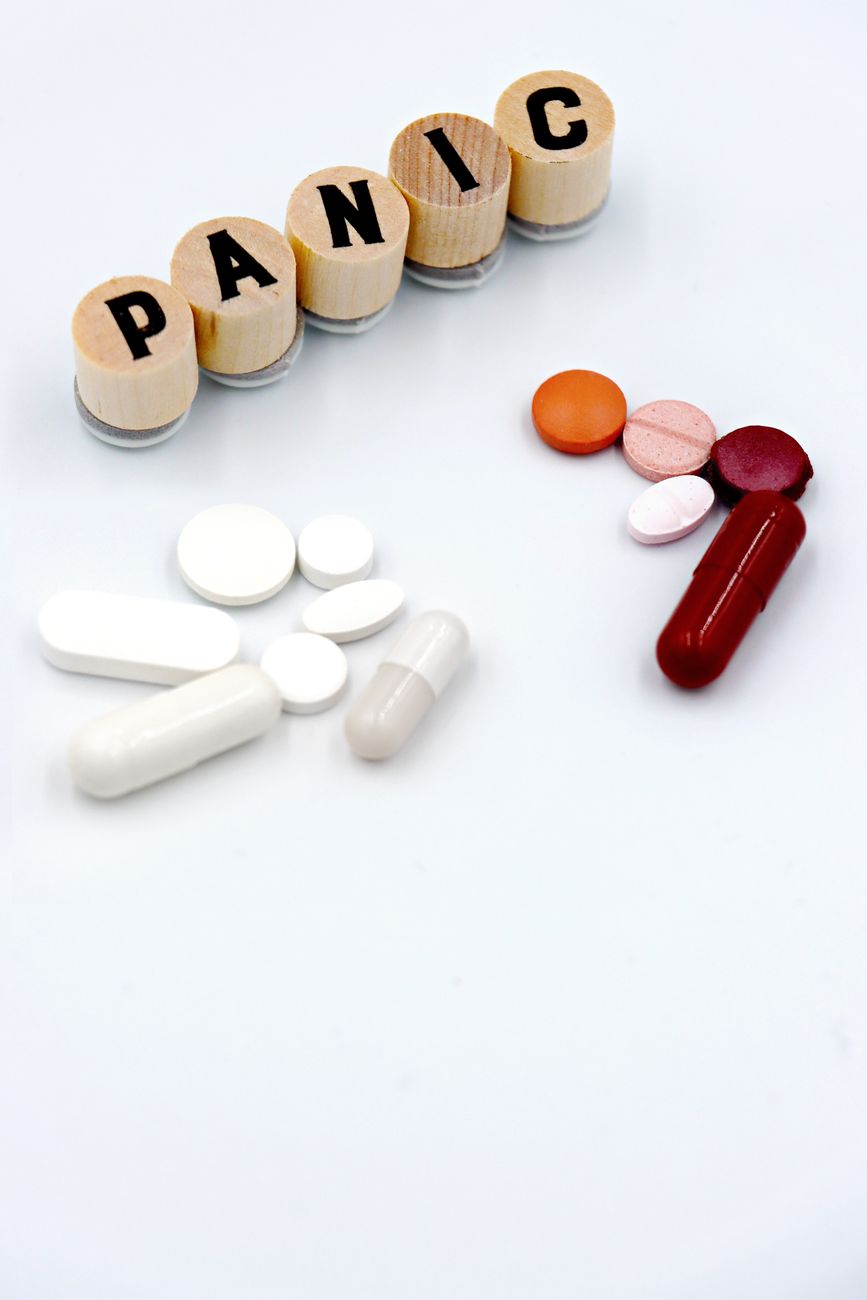
For some individuals, medication is an essential component of an anxiety treatment plan, especially when symptoms are severe or significantly impair daily functioning. Various pharmacological options are available, and a healthcare professional can determine the most appropriate course of action.
Different classes of drugs are used to treat anxiety disorders, each with its own mechanism of action and potential side effects. Emerging treatments like ketamine therapy are also being investigated for their potential in relieving anxiety symptoms. It is crucial to discuss all medication options, including their effects, duration, and potential interactions, with a doctor to ensure safe and effective management.
Further Techniques for Well-being
Incorporating additional techniques into daily life can further enhance anxiety management. Guided imagery, a relaxation technique involving envisioning peaceful settings, can promote a sense of calm. Grounding techniques are also valuable for managing distressing thoughts and flashbacks in the moment, helping individuals reconnect with their immediate surroundings and regain control.
Leave a Reply