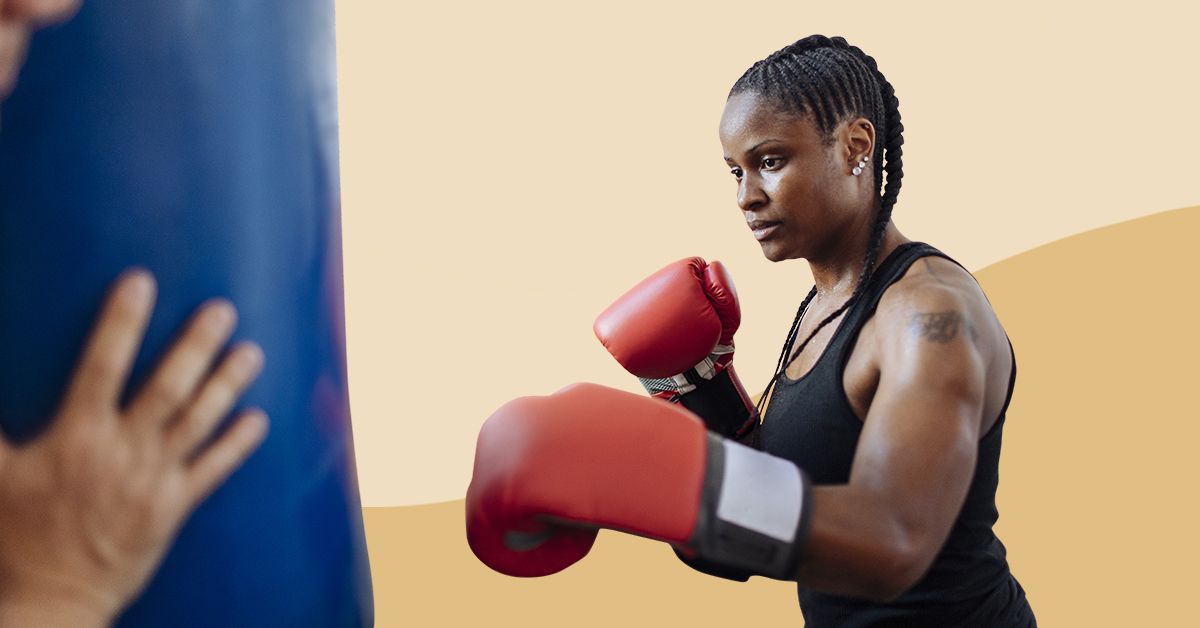
Punching bags are essential equipment for anyone looking to engage in combat sports training, fitness routines, or even just a cathartic release. Whether your goal is to improve punching power, kicking technique, speed, or overall conditioning, selecting the right punching bag is crucial for an effective workout at home or in a gym setting.
Understanding Different Types of Punching Bags
The market offers a diverse range of punching bags, each designed to cater to specific training needs and space availability.
Hanging Heavy Bags
Hanging heavy bags are a staple in boxing and martial arts gyms due to their versatility. They allow practitioners to execute a wide array of punches, kicks, knees, and other combat movements. These bags are typically cylindrical, ranging from 4 to 5 feet (121.9–152.4 cm) in height and weighing between 40 to 100 pounds (18.1–45.4 kg) or more. They require a stable overhead structure for suspension, usually with straps or chains. Lighter bags are often recommended for beginners, while more advanced trainees might opt for heavier bags to absorb powerful strikes. Their adaptability makes them suitable for boxing, kickboxing, MMA, and Muay Thai, with longer versions being ideal for sports involving significant kicking.
Freestanding Punching Bags
For those without a suitable place to hang a heavy bag, freestanding options provide an excellent alternative. These bags feature a heavy base, often filled with sand or water, or equipped with suction cups, to keep them stable without the need for ceiling or wall mounting. A key advantage is their portability, allowing users to move them as needed. Freestanding bags are particularly well-suited for traditional boxing, though their base can sometimes interfere with kicking movements. They accommodate all experience levels, with heavier bases recommended for advanced users to ensure stability during intense workouts.
Compact and Specialty Punching Bags
When space is a premium, compact punching bags offer practical solutions. Teardrop or wrecking ball bags, for instance, provide similar striking patterns to heavy bags but occupy significantly less space. Many are water or air-filled, enhancing their portability as they can be emptied for easy relocation. Some compact versions can even be mounted in doorways. Due to their smaller size and rapid movement, these bags are often utilized for speed training and are primarily suited for boxing, as their height might be too high for most kicking techniques. Other specialty bags include wall-mounted options for fixed training areas and lifelike training dummies that offer a more realistic target for specific strike practice.
Key Factors When Choosing a Punching Bag
Selecting the ideal punching bag involves considering several critical aspects to match your training goals and environment:
-
Materials and Quality: Durability is paramount. Bags must withstand repeated strong impacts, so high-quality materials like synthetic leather, vinyl, or genuine leather, along with robust stitching and construction, are essential.
-
Setup, Use, and Portability: Evaluate whether a hanging, freestanding, or compact option best fits your available space and lifestyle. Consider the ease of assembly, filling, and potential for moving the bag.
-
Size and Weight: Your experience level and body weight are key. A general guideline suggests choosing a bag that is approximately half your body weight. Beginners often benefit from lighter bags, while advanced practitioners require heavier ones for greater resistance and stability. Bag height is also important; shorter bags (around 3 ft) are good for beginners, while longer bags (4-5 ft or more) suit intermediate to advanced users and those focusing on kicking.
-
Type of Training: Different combat sports and fitness goals may necessitate specific bag shapes and sizes. For instance, Muay Thai bags are longer to accommodate low kicks, while speed bags are smaller for rapid hand-eye coordination drills.
-
Value and Warranty: Consider the overall investment and look for products with a reasonable warranty or return policy to ensure long-term satisfaction.
Recommended Punching Bags for Various Training Needs
A wide array of punching bags is available, each offering unique features to enhance your training. Here are examples of popular options across different categories:
Freestanding Punching Bags
For stability and ease of setup, freestanding bags are a top choice. The PEXMOR Freestanding Heavy Bag, for example, offers a full-size experience with a robust base featuring suction cups and steel-reinforced poles for enhanced stability. Its multi-layered cushion and shock-absorbing springs contribute to quieter operation, making it suitable for shared living spaces. Similarly, the FITVEN Freestanding Punching Bag is often recommended for beginners due to its manageable size and weight, providing excellent stability when its base is filled with sand. For a more lifelike training experience, the Century B.O.B. (Body Opponent Bag) Freestanding Training Dummy provides human characteristics and adjustable height, allowing for more specific punch and kick practice. The Century Original Wavemaster Freestanding Heavy Bag also offers adjustable height, making it versatile for users of all sizes and a variety of movements, from kicks to high punches.
Hanging Heavy Bags
For those seeking maximum resistance and durability, hanging heavy bags are ideal. The Outslayer 100-Pound Heavy Bag is highly regarded among professionals and enthusiasts for its factory-filled, dense fabric that prevents settling, backed by a substantial warranty. For combat sports involving extensive kicking, the Ringside 100-Pound Muay Thai Heavy Bag stands out with its 6-foot (182.9 cm) length, accommodating a full range of strikes. The RDX Anti-Swing Punching Bag offers a comprehensive package, including a bag, wall mount, chains, and gloves, and features an anti-swing anchor for a more controlled workout.
Portable and Compact Solutions
When space is limited or portability is a priority, several innovative bags are available. The Everlast HydroStrike Water Bag is an excellent portable option, filled with water to provide resistance similar to larger bags, yet easily emptied for storage or transport. The Quiet Punch Smart Punching Bag is designed for small spaces and multi-family units, mounting in a doorway with elastic bands to reduce noise. It also includes sensors and an app for tracking punches and guided workouts. For fixed, space-saving installations, the Title Boxing Wall Mount Menace Training Bag can be affixed to studs or masonry, ideal for garage gyms, offering a compact solution for boxing practice. For speed and technique work, the Pro Impact Double-Ended Punching Bag is extremely lightweight and uses bungee cords for rapid rebound, requiring both floor and ceiling mounts. The Ringside 40-Pound Heavy Bag, a more budget-friendly option, is well-suited for children, teenagers, or beginners, and comes with gloves and wraps to get started.
Budget-Friendly and Entry-Level Options
For those new to training or on a tighter budget, options like the Tech Tools Punching Bag with Stand provide an accessible entry point. This freestanding bag is adjustable in height and features a spring-back action, making it useful for speed and technique drills, and often includes gloves and a pump.
Frequently Asked Questions About Punching Bags
What kind of punching bag is best?
The “best” punching bag depends entirely on your specific training goals. For all-around versatility in boxing, kickboxing, martial arts, and cardio, a hanging heavy bag is often considered the gold standard. However, if space is limited or you need portability, a freestanding or compact bag might be more suitable.
Is a standing punching bag better than a hanging one?
Both standing and hanging punching bags have distinct advantages. Standing bags offer portability, easy setup without drilling, and often adjustable height, making them ideal for apartments or shared spaces. Hanging bags, conversely, provide superior stability for powerful strikes, allow for a wider range of movement around the bag, and are generally preferred for advanced combat sports training where heavy impact is common.
How do you hang a punching bag?
Hanging a punching bag safely requires securing it to a robust overhead structure, typically a ceiling joist or a sturdy metal beam. It can also be hung from a pull-up bar or a weightlifting rack, provided these structures are rated to handle the bag’s weight and dynamic forces. Always ensure the anchor point is solid to prevent accidents and potential injury. If uncertain, it is advisable to consult a professional carpenter or a gym equipment specialist.
What’s the best filling for a punching bag?
High-quality punching bags are often filled with natural fabrics or fibers, as these materials tend to maintain their shape and resist settling over time. Other common fillings include sand, water, air, or synthetic fibers, and sometimes a combination of these. Water and air fillings can offer a different feel and often allow for adjustable weight and easier portability.
What are the benefits of using a punching bag?
Regular training with a punching bag offers numerous potential benefits. Boxing-style workouts are linked to improved cardiovascular health, lower blood pressure, enhanced balance, increased strength, and can contribute to weight management goals. Beyond physical advantages, punching bags also serve as an excellent tool for stress relief and mental focus.
Is it better to use a punching bag with or without gloves?
The choice to use gloves or not depends on individual preference and training objectives. Training without gloves can help strengthen knuckles and wrist tendons, but it significantly increases the risk of hand or wrist injury if punches are landed incorrectly. For most training, especially with heavy bags, wearing boxing gloves and hand wraps is highly recommended to protect your hands and wrists from impact and prevent injuries.
Conclusion
With the growing popularity of combat sports and home fitness, punching bags have become a fundamental piece of equipment. The market offers a vast selection in various shapes, sizes, and specifications to suit diverse training needs. When making your choice, carefully consider your body weight, experience level, available space, and the specific type of training you intend to pursue. Remember that while the punching bag is central, complementary equipment like boxing gloves and hand wraps are also crucial for a safe and effective workout.
Leave a Reply