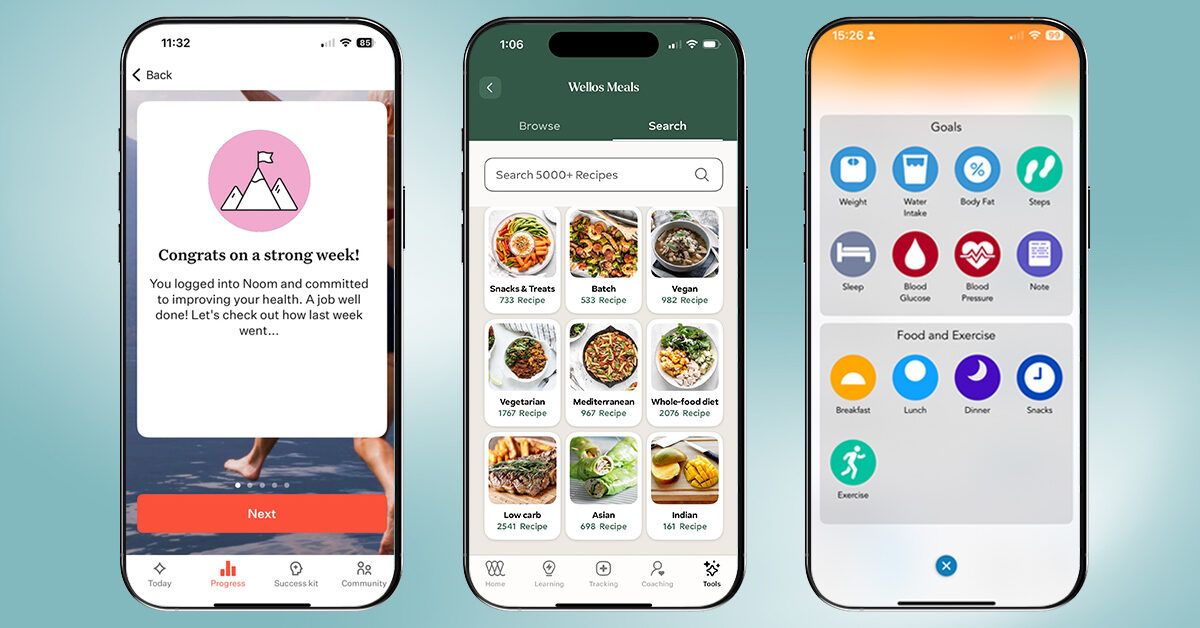
In an era where mobile technology influences nearly every aspect of modern life, health and fitness applications have transformed personal weight management. Far from basic digital notebooks, today’s weight loss platforms utilize advanced algorithms, behavioral science, artificial intelligence, and direct professional access to deliver tailored wellness solutions. Whether your objective is fat reduction, metabolic management, muscle gain, or improving your relationship with nutrition, digital health tools provide specialized ecosystems designed to meet your physiological and psychological needs.
The rise of digital weight management is supported by robust clinical evidence. Medical professionals specializing in metabolic health consistently highlight that self-monitoring—recording daily food choices, activity patterns, hydration, and sleep—is one of the most effective strategies for long-term weight control. By converting vague health goals into concrete daily tracking, mobile applications eliminate dietary cognitive dissonance, revealing hidden calories, irregular physical activity patterns, and emotional eating triggers that often go unnoticed.
However, navigating the modern app marketplace can be challenging due to the abundance of options. Available applications range from precise calorie and macronutrient loggers to cognitive behavioral modification programs, intermittent fasting timers, grocery store nutritional scanners, and non-diet intuitive eating guides. Understanding how these tools function and evaluating their evidence-based features is crucial to selecting a digital companion that fits your daily routine, personal philosophy, and long-term health objectives.
Understanding Digital Weight Management Platforms and Their Mechanics
Digital weight loss platforms serve as central hubs for tracking dietary intake, physical activity, and behavioral metrics. Historically, self-monitoring relied on physical paper journals, which were often inconvenient and prone to reporting errors. Modern applications resolve these friction points through intuitive user interfaces, massive verified food databases, integrated barcode scanners, computer-vision meal recognition, and automatic synchronization with wearable fitness devices. These technological features significantly streamline data collection, enabling users to log meals and exercise within seconds.
Beyond basic tracking, modern applications incorporate clinical and psychological frameworks to drive behavioral changes. Some platforms feature cognitive behavioral therapy techniques, offering short daily lessons that reframe psychological triggers, address emotional eating, and strengthen motivation. Others offer direct access to credentialed experts, connecting users with licensed registered dietitians or certified health coaches for live consultations and personalized meal guidance. Additionally, niche platforms focus on time-restricted eating schedules or promote intuitive eating to foster positive body image without calorie tracking.
Core Benefits, Behavioral Insights, and App Categories
Clinical research shows that digital self-monitoring significantly improves weight loss success compared to unassisted efforts. Regular tracking increases nutritional awareness, reinforces daily accountability, and supports healthier habit formation. To understand how these digital solutions serve different user needs, consider the primary categories available today:
- Behavioral Modification Engines: Focus on psychological techniques, utilizing short daily lessons and habit-tracking algorithms to help users address emotional triggers, stress eating, and cognitive barriers to lasting lifestyle changes.
- Dietitian-Led Telehealth Platforms: Pair users directly with licensed registered dietitians for live video consultations and messaging, delivering clinical guidance customized for conditions like diabetes, hypertension, and metabolic syndrome.
- Interactive Health Coaching Interfaces: Combine automated tracking with real-time guidance from certified health mentors, offering daily accountability, instructional video content, and customized goal setting.
- Community and Point-Based Systems: Replace strict calorie counting with simplified point metrics to encourage nutrient-dense choices, while using interactive community forums and peer support to sustain long-term motivation.
- Comprehensive Food and Exercise Loggers: Feature verified nutritional databases, barcode scanning, and recipe builders to provide maximum visibility over daily energy balance and macronutrient ratios.
- Intermittent Fasting Protocols: Offer structured fasting timers, educational guides, and physiological progress tracking to support time-restricted eating without requiring comprehensive meal logging.
- Mindful and Intuitive Eating Guides: Eliminate calorie logging and weigh-ins, offering guided self-reflection exercises to repair body image, reduce diet anxiety, and restore natural hunger cues.
- Nutritional Quality and Grocery Scanners: Evaluate packaged foods by scanning barcodes at grocery stores, providing instant quality ratings and identifying hidden sugars, additives, or specific allergens.
Research demonstrates that no single digital approach is universally superior. While detailed tracking benefits individuals who respond well to precise data, non-numerical intuitive eating guides offer valuable support for those prone to tracking burnout. Choosing the right category depends on your individual health status, personal habits, and long-term psychological health.
Practical Guide: Choosing the Right App Strategy for Your Goals
Selecting an optimal health application begins with an accurate assessment of your daily schedule, technical comfort, and primary goals. Determine what kind of support you need most: quantitative tracking, behavioral reframing, expert coaching, or mindful eating. If you thrive on detailed personal data and desire precise control over macronutrients, choose a comprehensive food logging platform with wearable sync capabilities. Alternatively, if tracking individual calories creates stress, a behavioral modification platform or point-based framework offers structured guidance without numerical exhaustion.
Next, evaluate the level of personal human interaction you require. Individuals managing complex medical conditions, such as prediabetes or cardiovascular risks, benefit significantly from platforms that incorporate consultations with licensed registered dietitians. Conversely, self-directed users looking for simple habit adjustments or fasting trackers can achieve their goals using lightweight, automated applications. Taking advantage of free trials allows you to test interface navigation, notification settings, and usability before committing to a paid subscription.
Practical Guide: Daily Strategies for Long-Term Tracking Success
To maintain long-term engagement with a digital tool without experiencing logging fatigue, establish consistent tracking habits. Log your meals immediately before or after eating, as waiting until the end of the day increases tracking inaccuracies and memory bias. Utilize shortcut features like barcode scanning and meal cloning to reduce logging time. View your recorded data as objective information rather than a moral judgment on your self-discipline, using the feedback to make informed daily adjustments.
Additionally, balance digital metrics with internal body awareness. Use tracking apps as educational guides to master portion control and macronutrient distribution, while remaining attentive to natural hunger signals, energy levels, and mood. Periodically update your personal metrics and activity goals as your body adapts. If progress plateaus, review your logged data with a qualified health professional or registered dietitian to make safe, evidence-based adjustments rather than making extreme caloric cuts on your own.
Frequently Asked Questions
Are weight loss apps effective for long-term health maintenance?
Yes, weight loss applications are effective for long-term health maintenance when used to build sustainable, healthy habits rather than enforce short-term restriction. Research shows that consistent self-monitoring correlates with improved weight stability over time. By teaching users about portion sizes, nutrient density, and balanced eating patterns, these apps build long-term nutritional literacy that supports healthy choices long after daily logging decreases.
How do I choose between calorie tracking and intuitive eating apps?
Your choice depends on your psychological relationship with food and your specific goals. Calorie-tracking applications work best for individuals who want detailed data on energy balance and macronutrients. However, if numerical tracking causes anxiety, obsession, or restrictive eating patterns, an intuitive eating application is a better fit. Intuitive eating tools focus on internal hunger cues, body awareness, and stress management without relying on numerical targets.
What are the benefits of live dietitian coaching over automated logging?
Live dietitian coaching provides individualized medical nutrition therapy and tailored advice that automated software cannot deliver. While tracking apps rely on general algorithms to calculate calorie needs, registered dietitians evaluate your complete medical history, lab results, lifestyle factors, and personal preferences. They offer expert guidance for conditions like insulin resistance or food intolerances, providing personalized support when encountering progress plateaus.
Final Takeaway and Moving Forward
Digital weight loss applications have evolved into versatile tools capable of supporting a wide range of health objectives and dietary approaches. Whether you rely on comprehensive calorie loggers, cognitive behavioral modification programs, live professional coaching, or mindfulness guides, these tools provide accessible structure and valuable insights. When selected thoughtfully, a mobile app can simplify healthy decision-making and bridge the gap between setting health goals and executing them consistently.
Ultimately, the best weight loss app is one that fits seamlessly into your lifestyle while supporting your mental and physical health. Technology should act as a supportive resource that enhances self-awareness rather than a source of pressure or stress. By matching an application’s unique features with your personal values and health goals, you can leverage digital tools to achieve sustainable wellness and foster a positive relationship with food.
Leave a Reply