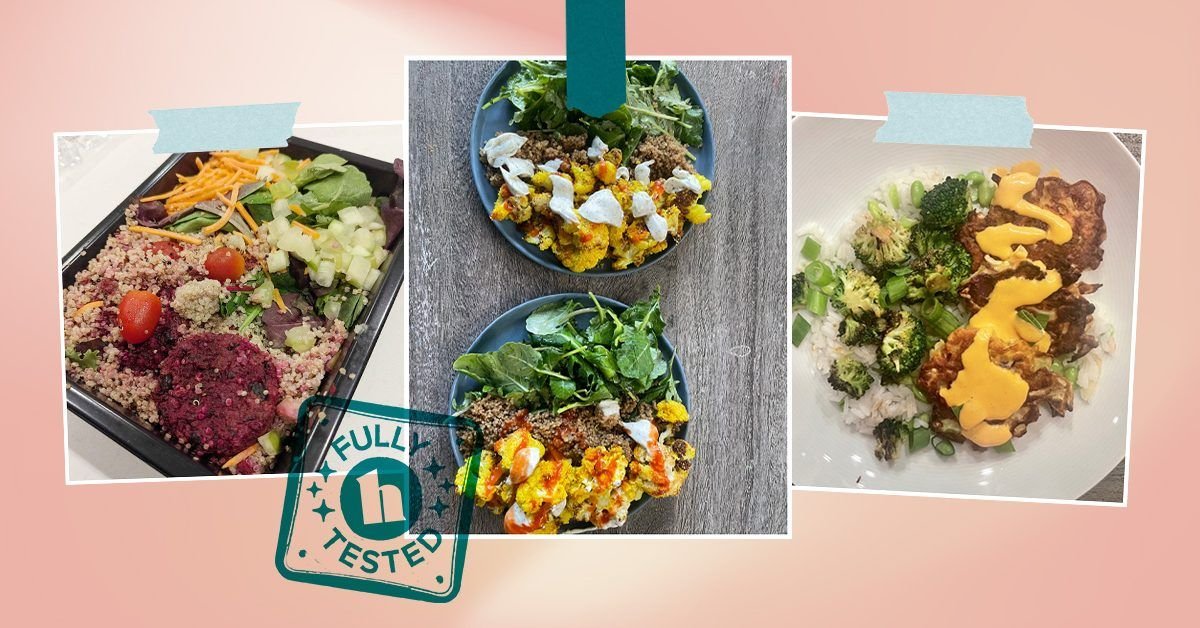
Transitioning toward a plant-forward or strictly vegan diet is one of the most effective lifestyle modifications an individual can make to enhance long-term metabolic health and support environmental sustainability. However, the realities of modern life often complicate this transition. Busy work schedules, limited culinary confidence regarding plant-based proteins, and the time-consuming nature of weekly meal planning, grocery shopping, and ingredient preparation often create friction. Consequently, many aspiring plant-based eaters experience decision fatigue and fall back on processed foods or abandon their dietary ambitions altogether.
Plant-based meal delivery services have emerged as an ideal bridge across these lifestyle obstacles. By outsourcing meal architecture, ingredient sourcing, and portion management to culinary and nutritional experts, consumers can enjoy balanced, nutrient-dense meals without spending hours in the kitchen. The meal delivery market has expanded significantly, evolving beyond basic salad subscriptions to encompass gourmet chef-crafted entrees, targeted weight management plans, organic meal kits, and convenient ready-to-eat meals tailored to diverse lifestyles.
Selecting the ideal service requires evaluating factors beyond basic convenience. A truly effective meal delivery program must prioritize high nutritional integrity, culinary diversity, high ingredient standards, and clear pricing. Whether you are committing to a strictly vegan lifestyle, attempting to reduce animal product intake, or managing specific cardiovascular parameters, learning how to evaluate and leverage plant-based meal delivery services can elevate your overall nutritional wellness.
What It Is & How It Works
Plant-based meal delivery services operate primarily through two distinct models: pre-portioned meal kits and fully prepared ready-to-eat meals. Meal kit subscriptions supply pre-measured raw whole food ingredients accompanied by structured, step-by-step culinary instructions. This approach empowers subscribers to participate in cooking while eliminating grocery shopping and meal planning. In contrast, prepared meal services deliver fully cooked entrees in temperature-controlled packaging, requiring only brief heating in a microwave, oven, or stovetop. Both models rely on flexible subscription structures that allow users to customize dietary preferences, adjust order frequencies, or pause deliveries based on their changing schedule.
At a cellular level, the nutritional value of these meal services relies on plant diversity and ingredient quality. Industry-leading services emphasize whole food architecture—incorporating complex carbohydrates, dietary fiber, intact grains, legumes, seeds, and colorful botanical ingredients rich in phytonutrients. Superior meal providers actively minimize refined oils, artificial preservatives, and isolated soy proteins commonly found in commercial vegan ultra-processed foods. Furthermore, by maintaining strict cold-chain logistics during shipping, these platforms preserve sensitive micro-nutrients like vitamin C, folate, and volatile cellular antioxidants.
Beyond raw ingredient delivery, these services provide essential macro-nutrient balancing and portion control. Culinary teams and registered dietitians systematically engineer menus to optimize caloric distribution and macro-nutrient balance. This structural support is valuable for individuals struggling to achieve adequate dietary fiber or complete protein intake during a dietary transition. Delivering optimized ratios of protein, healthy plant fats, and slow-digesting complex carbohydrates helps maintain blood glucose control and promotes lasting satiety.
Key Benefits and Evidence
Adopting a plant-rich diet supported by structured meal delivery provides significant, scientifically backed health advantages. Research consistently shows that consuming diverse plant species enhances gut microbiome diversity, optimizes cardiovascular function, and supports long-term metabolic health.
- Enhanced Microbiome Diversity: Consuming a broad spectrum of whole plant foods provides prebiotic fiber that feeds beneficial gut microflora, driving short-chain fatty acid production.
- Optimized Cardiovascular Health: Whole-food plant meals are naturally low in saturated fats while rich in soluble fiber and antioxidants, supporting healthy cholesterol levels and blood pressure.
- Improved Glycemic Regulation: Intact plant complex carbohydrates slow digestion and glucose uptake, minimizing postprandial insulin spikes and supporting metabolic resilience.
- Streamlined Weight Management: High dietary fiber and moisture content promote gastric distension, triggering key satiety hormones that naturally regulate daily caloric intake.
- Reduced Systemic Inflammation: Plant phytonutrients, including polyphenols and carotenoids, actively combat cellular oxidative stress and dampen systemic inflammatory pathways.
Scientific literature highlights that nutritional quality dictates long-term health outcomes. A plant-based diet consisting primarily of whole legumes, root vegetables, dark leafy greens, and whole grains yields superior physiological health compared to diets dependent on refined vegan fast foods. Structured meal delivery platforms protect against nutritional deficiencies by automating daily access to whole food, micronutrient-dense meals. As a result, users frequently experience elevated energy, improved digestion, and enhanced metabolic markers within weeks of consistent meal integration.
Selecting the Ideal Plant-Based Delivery Service
Selecting the right plant-based meal service requires a clear assessment of your personal health targets, culinary skills, and financial budget. Begin by clarifying your baseline nutritional requirements. If your goal involves managing blood glucose levels, lowering cholesterol, or losing weight, prioritize delivery platforms that highlight organic whole ingredients, low sodium thresholds, and zero added sugars. Look for services that employ registered dietitians to curate recipes, ensuring protein sources remain naturally diverse—such as lentils, chickpeas, organic tempeh, seeds, and ancient grains—rather than relying on heavily processed meat substitutes.
Next, evaluate how the service format fits into your routine. Consider whether you enjoy home cooking or if meal prep creates daily stress. Meal kits are ideal for individuals looking to sharpen their culinary techniques and enjoy fresh, hot dinners. Conversely, if you balance a hectic work schedule or travel often, ready-to-eat meal subscriptions provide instant nourishment that prevents dietary slip-ups when time is limited.
Finally, assess total financial value by analyzing price per serving, shipping fees, and minimum order limits. Premium organic or specialized therapeutic meal plans carry higher price points, but they often offset expenses from unused grocery waste and restaurant dining. Ensure the subscription offers flexible order adjustments, allowing you to pause or modify meal counts effortlessly.
Maximizing Health Value and Culinary Enjoyment
To maximize the long-term health benefits of a plant-based meal subscription, treat these services as a foundation rather than a static end point. Enhance your delivered meals by strategically incorporating fresh pantry staples. Keeping ingredients like cold-pressed extra virgin olive oil, fresh lemon juice, nutritional yeast, hemp seeds, and fermented vegetables like sauerkraut on hand enables you to customize flavor profiles and add fresh micronutrients without adding excessive sodium or calories.
Proper storage and handling are critical for preserving ingredient safety and nutritional value. Unpack and inspect your delivery container immediately upon arrival. Place perishable prepared meals and raw ingredients directly into refrigeration. Cook raw ingredient kits within three to five days to prevent ingredient degradation, particularly for delicate leafy greens and vitamin-sensitive produce. If your subscription includes prepared meals that you cannot consume promptly, verify if they are suitable for freezing to prevent waste.
Finally, utilize your subscription as an educational resource to build long-term culinary confidence. Study the included recipe cards or review ingredient labels on pre-made meals. Pay attention to how professional chefs balance acidic elements with healthy fats, spice profiles, and diverse plant proteins. By adopting these techniques, you can eventually replicate balanced plant-based meals at home independently.
Frequently Asked Questions
What is the precise distinction between plant-based, vegan, and vegetarian diets?
Although these terms are often used interchangeably, they represent distinct dietary approaches. A plant-based diet emphasizes foods derived primarily from plant sources, including vegetables, fruits, whole grains, nuts, and legumes, with minimal processing. However, a plant-based diet does not strictly prohibit animal products; individuals may focus mostly on plants while occasionally consuming small amounts of fish or dairy. In contrast, a vegan diet strictly excludes all animal-derived foods, including meat, poultry, seafood, dairy, eggs, honey, and animal-derived additives. Veganism is typically practiced as both a dietary framework and an ethical commitment against animal exploitation. A vegetarian diet excludes meat, poultry, and seafood, but usually includes dairy products and eggs. Understanding these distinctions allows you to select a delivery service aligned with your health and ethical priorities.
Can plant-based meal delivery services support weight loss and muscle maintenance?
Yes, plant-based meal delivery services can effectively support both weight loss and muscle maintenance when properly formulated. For weight loss, many plant-based meal services leverage high-fiber, nutrient-dense whole foods that promote fullness through gastric expansion and satiety hormone release. This mechanism enables sustained caloric control without constant hunger. For muscle maintenance and athletic recovery, quality plant-based services craft entrees utilizing complete plant protein sources. Combining varied ingredients—such as lentils, edamame, organic tempeh, quinoa, and seeds—delivers all essential amino acids required for muscle protein synthesis. Athletic individuals can select high-protein menu lines or add supplemental protein to meet elevated targets.
How do ready-to-eat prepared meals compare nutritionally to raw meal kits?
Both meal options offer distinct nutritional benefits depending on your lifestyle. Raw ingredient meal kits afford maximum control over added oils, sodium, and cooking temperatures, helping preserve heat-sensitive vitamins while letting you tailor flavor profiles. However, meal kits demand prep time and kitchen cleanup. Ready-to-eat pre-made meals offer maximum convenience through rapid heating. Modern prepared meal providers utilize quick-chilling techniques to preserve nutritional integrity without reliance on heavy preservatives. To optimize health benefits from prepared options, choose providers committed to whole food ingredients and low sodium levels.
Conclusion
Adopting a plant-centric lifestyle offers a proven pathway toward optimized metabolic health, improved digestion, and long-term vitality. However, daily schedules and time constraints often create barriers to consistent nutrition. Plant-based meal delivery services offer a modern solution by streamlining meal planning, grocery shopping, and preparation while delivering nutritionally balanced meals directly to your home.
By evaluating your dietary goals, daily routine, and personal budget, you can select a meal service that complements your lifestyle. Whether you choose interactive meal kits or convenient ready-to-eat dishes, incorporating structured plant-based options builds long-term healthy habits. Prioritizing convenient, nutrient-dense plant nutrition is an empowering investment in your daily wellness and future health.
Leave a Reply