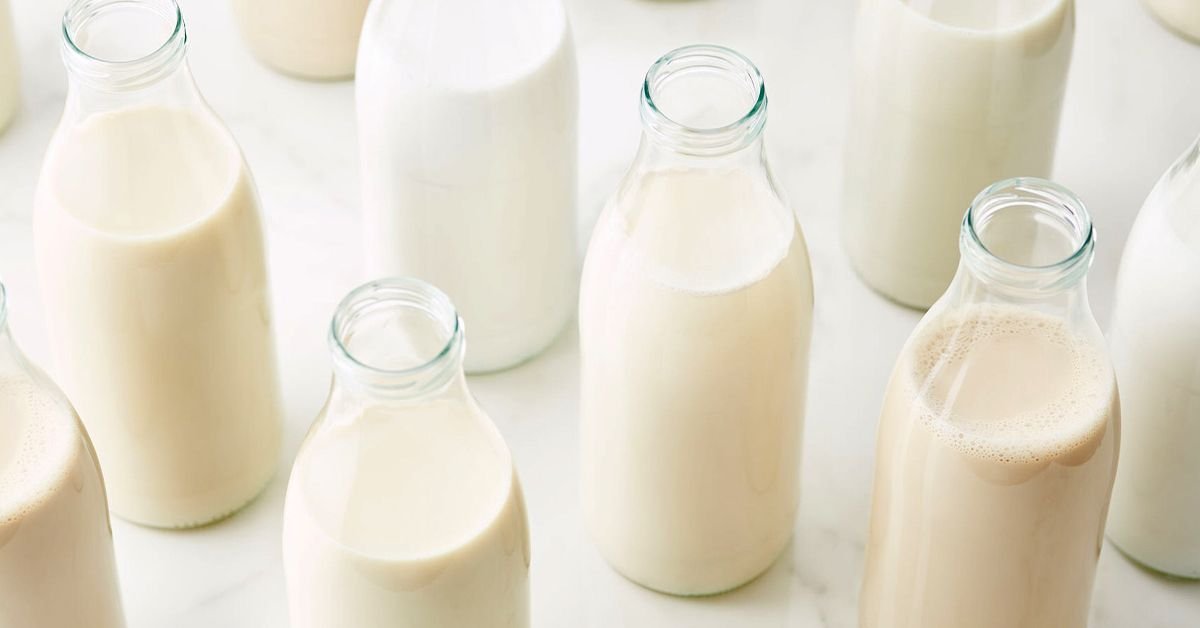
Over the past decade, the global food landscape has undergone a monumental shift. Refrigerators once dominated exclusively by traditional cow’s milk now host a vibrant array of plant-based alternatives derived from nuts, grains, seeds, and legumes. Driven by ethical concerns, lactose intolerance, and a growing awareness of climate change, millions of consumers have abandoned dairy in search of greener alternatives. Conventional dairy production is notoriously resource-intensive, emitting substantial amounts of greenhouse gases—particularly methane—while requiring immense tracts of land and billions of gallons of water annually. Consequently, switching to plant-based beverages is undeniably a step in the right direction for environmental preservation.
However, the ecological story does not end simply by swapping animal milk for a plant-derived carton. Every plant milk comes with its own unique environmental price tag. The agricultural requirements for growing almonds in drought-stricken regions differ wildly from the vast acreage needed for oat or soy cultivation. Factors such as fertilizer runoff, pesticide usage, land clearance, transportation emissions, and packaging materials complicate the narrative. Identifying the most sustainable nondairy milk requires examining the nuances of life-cycle assessments, balancing water consumption against carbon footprint, land utility, and soil health.
Navigating this complex landscape requires moving past broad marketing claims to evaluate the raw environmental data. Whether your primary ecological priority is conserving scarce freshwater, preventing tropical deforestation, minimizing climate-warming greenhouse gas emissions, or reducing synthetic pesticide runoff, understanding how each plant milk measures up empowers you to make truly sustainable choices. This comprehensive guide dissects the ecological footprints of popular plant-based milks, offering clear insights and practical strategies to help you align your dietary habits with planetary wellness.
What It Is & How It Works
Plant-based milk is essentially an emulsion created by extracting nutrients, oils, and soluble compounds from raw plant materials—such as nuts, seeds, grains, or legumes—using water. The basic production process involves soaking the raw crop, grinding or blending it with water to form a smooth mixture, and then straining out the fibrous solid pulp. Modern commercial manufacturers often augment this liquid base with added vitamins (such as B12 and D), minerals like calcium, natural emulsifiers to prevent separation, and stabilizers to achieve a creamy mouthfeel similar to dairy milk.
From an ecological standpoint, the fundamental mechanism that renders plant milk significantly more sustainable than dairy rests on trophic efficiency. Livestock farming requires vast amounts of energy, water, and plant biomass to raise animals before yielding milk, resulting in substantial thermodynamic heat loss and high methane production from enteric fermentation. Conversely, cultivating plants directly for human consumption bypasses the animal intermediary entirely. Life-cycle assessments reveal that producing a single glass of dairy milk generates roughly three times the greenhouse gas emissions and requires nearly nine times as much land compared to any plant-based alternative. Nonetheless, the environmental impact of plant milk production operates along distinct agricultural parameters: crops rely on freshwater irrigation, synthetic nitrogen fertilizers, mechanical harvesting, industrial refining, and global transport networks, each leaving a measurable ecological footprint.
Key Ecological Metrics & Environmental Impacts
- Water Conservation Metrics: Almond and rice milks exhibit the highest freshwater footprints among plant alternatives. A single almond requires approximately 3.2 gallons of water to mature, with nearly 80 percent of global supply grown in drought-prone California regions. Rice cultivation similarly demands intensive flooding of paddies, consuming significant irrigation resources and fostering anaerobic soil conditions that generate methane. In contrast, oats, soy, hemp, and peas require remarkably low water volumes, predominantly relying on natural rainfall.
- Land Use and Deforestation Dynamics: Land requirements vary widely across crops. Soy has historically faced severe scrutiny due to its association with Amazonian deforestation. However, the vast majority of global soy yields feed livestock or fuel production rather than direct human food. When sourced from domestic or non-rainforest zones, soy is exceptionally efficient. Nut trees require moderate land allocations over multi-year life cycles, while oat and pea crops demand modest arable land that can easily participate in crop rotation schemes.
- Greenhouse Gas Emissions Profile: All plant milks produce dramatically lower greenhouse gas emissions than cow’s milk. Rice milk generates slightly higher emissions than other plant varieties due to methane-producing bacteria in flooded paddies. Soy, oat, pea, and hemp milks demonstrate exceptionally low emissions profiles, operating as minimal carbon contributors throughout their life cycle.
- Soil Health and Chemical Inputs: Legumes such as soy and peas possess a unique biological advantage: nitrogen fixation. They host symbiotic bacteria in their root systems that convert atmospheric nitrogen into soil nutrients, significantly reducing the demand for synthetic fertilizers. Hemp acts as a natural bioaccumulating cover crop that suppresses weeds and naturally resists pests, eliminating the need for aggressive chemical herbicides and pesticides.
Overall, empirical evidence demonstrates that while no single plant milk is entirely impact-free, swapping conventional dairy for virtually any plant-based beverage yields immediate ecological dividends. The specific choice between plant sources simply allows consumers to target particular environmental concerns—such as regional water scarcity or biodiversity loss—by selecting crops optimized for those specific resource parameters.
Choosing the Right Milk for Your Eco-Priorities
Selecting the ideal sustainable milk requires aligning your personal ecological values with the realities of agricultural production. If your primary objective is regional water conservation—particularly if you reside in arid or drought-susceptible zones—prioritize oat, hemp, or pea milk over almond and rice varieties. Conversely, if your chief concern is minimizing land consumption and greenhouse gases, locally grown soy or oat milk represents an exceptionally efficient profile. Always scrutinize product origin labels: opting for milks made from regionally cultivated, organic ingredients drastically reduces transportation emissions and protects local watersheds from synthetic agricultural runoff.
Packaging choices also play a crucial role in determining the total environmental impact of your purchase. Most commercial plant milks are distributed in multi-layered aseptic cartons composed of paperboard, plastic, and aluminum foil. While these cartons protect shelf life, recycling them requires specialized facilities that are not universally accessible. To lower your packaging footprint, seek out brands that utilize recyclable glass bottles, high-density recyclable plastics, or concentrated pastes and powders that reduce freight weight and packaging mass. Supporting brands certified organic, non-GMO, or ethically sourced ensures that agricultural practices actively support soil biology and biodiversity.
Homemade Plant Milks and Waste Reduction Strategies
One of the most effective ways to lower the carbon footprint and packaging waste associated with nondairy beverages is to make your own plant milk at home. Preparing oat milk or hemp milk requires minimal equipment, zero synthetic additives, and eliminates single-use cartons altogether. Because hemp seeds do not require straining and oats blend rapidly with cold water, you can prepare fresh batches in minutes using basic kitchen tools. Buying raw ingredients like organic oats, hemp seeds, or pumpkin seeds in bulk reduces plastic packaging, lowers shipping emissions, and yields fresh, additive-free beverages tailored to your taste.
To achieve zero-waste production, it is essential to repurpose the leftover fibrous pulp generated during straining. Rather than discarding this nutrient-dense material, upcycle almond or soy pulp into homemade flour, high-protein energy bars, or savory cracker batters by dehydrating it in a low-temperature oven. Alternatively, oat and seed pulp can be incorporated directly into smoothie bases, morning porridge, or bakery recipes to boost dietary fiber. Any remaining organic matter should be composted to return vital nutrients to the soil, effectively closing the circular loop of your kitchen’s ecological footprint.
Frequently Asked Questions
Is oat milk truly the most environmentally friendly option overall?
Oat milk is widely regarded as one of the most balanced, eco-friendly choices available today. It requires modest amounts of land and significantly less water than almond or rice milks. Additionally, oats are commonly grown in temperate regions like North America and Europe, meaning reduced long-distance shipping emissions for Western consumers. However, non-organic oat monoculture can sometimes rely on synthetic desiccant herbicides like glyphosate prior to harvest. Opting for certified organic oat milk ensures that you receive the water and carbon benefits without supporting synthetic chemical application.
Does drinking soy milk actively contribute to rainforest deforestation?
The vast majority of commercial soy milk sold in North America and Europe does not drive Amazonian deforestation. While global soy agriculture is a leading driver of rainforest clearance, roughly 80 to 90 percent of global soy harvests are grown specifically for animal feed for the meat and dairy industries or industrial biofuels. Commercial plant milk manufacturers predominantly source non-GMO, domestically grown soybeans from North America or Europe. Checking the label to confirm that soybeans are locally sourced or organic completely eliminates the rainforest deforestation factor.
Which plant milk offers the best combination of sustainability and high protein?
Yellow pea milk and soy milk share the title for the best balance of environmental sustainability and robust nutritional profile. Both pea and soy crops are legumes, meaning they naturally fix nitrogen into the soil, reducing the need for synthetic nitrogen fertilizers that harm aquatic ecosystems. Nutritionally, both yield roughly 7 to 8 grams of complete protein per cup, matching the protein density of traditional cow’s milk while generating a tiny fraction of the greenhouse gas emissions and utilizing minimal freshwater resources.
Conclusion & Final Takeaway
Transitioning from traditional dairy to plant-based milk is one of the single most impactful dietary shifts an individual can make to reduce their personal environmental footprint. While every crop demands land, water, and energy resources, the overall ecological burden of plant milks pales in comparison to the resource intensity, land degradation, and greenhouse gas emissions associated with commercial animal agriculture. By understanding the distinct environmental trade-offs between options—such as almond milk’s high water usage versus soy’s land efficiency—you can tailor your consumer choices to match your specific environmental values.
Ultimately, sustainability is not about achieving absolute perfection, but about making informed, conscious improvements. Rotating between different sustainable choices—such as opting for low-water oat milk, high-protein pea milk, or zero-waste homemade hemp milk—helps support agricultural diversity while minimizing localized environmental strain. By prioritizing organic sourcing, sustainable packaging, and local supply chains, your daily coffee, smoothie, or cereal bowl becomes a powerful vote for a healthier, more resilient planet.
Leave a Reply