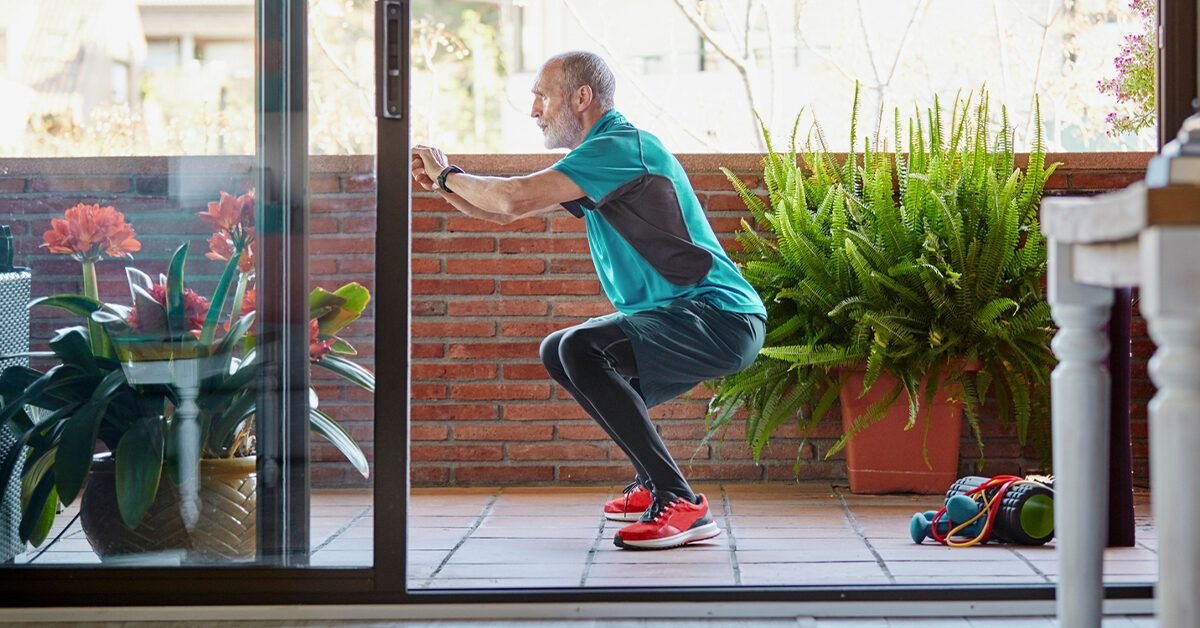
As the human body journeys through the decades, physical movement transitions from a natural byproduct of youth into a vital cornerstone of longevity, autonomy, and personal well-being. For many older adults, the thought of strength training conjures images of crowded commercial gyms, heavy iron weights, and high-intensity workouts tailored for younger athletes. However, modern exercise science presents a far more accessible and reassuring reality: resistance training and structured stretching, performed in the comfort of home, represent one of the most potent non-pharmacological tools available for healthy aging.
Aging naturally brings structural changes to muscle tissue, joints, and bones, but progressive physical decline is far from an inevitable fate. Engaging in targeted, low-impact strength and flexibility exercises directly counteracts the biological markers of aging. Whether your goal is to comfortably carry groceries up a flight of stairs, tend to a backyard garden without lower back discomfort, or play confidently with grandchildren on the floor, home-based physical conditioning serves as a reliable bridge between chronological age and functional vitality.
Building a sustainable movement routine does not require expensive exercise gear, decades of athletic experience, or exhausting physical exertion. By dedicating just a few short sessions each week to simple bodyweight movements, resistance band exercises, and gentle static stretches, seniors can protect their independence, dramatically reduce fall risks, and cultivate a sense of physical freedom that enriches daily life.
Understanding Age-Related Muscle Loss and Biological Adaptations
To appreciate the transformative power of senior fitness, one must understand sarcopenia—the natural, age-related decline of skeletal muscle mass and functional strength. Beginning around age thirty, the human body loses approximately three to eight percent of its muscle mass per decade, a process that frequently accelerates after age sixty. Sarcopenia undermines muscular power, metabolic health, motor neuron connectivity, and physical stamina. Concurrently, connective tissues such as tendons and ligaments lose natural elasticity, leading to joint stiffness, restricted range of motion, and heightened vulnerability to injury.
Fortunately, human neuromuscular tissue retains a remarkable capacity for growth and repair well into advanced age. When an older adult performs a resistance exercise, mechanical tension on muscle fibers triggers cellular signals that synthesize new proteins and recruit previously dormant motor units. Furthermore, mechanical stress placed on bones during weight-bearing movements signals specialized cells to deposit new bone matrix, actively combating osteopenia and osteoporosis.
Stretching works in tandem with resistance training by addressing architectural changes within connective tissues. Controlled lengthening of major muscle groups stimulates mechanical receptors within muscle spindles and Golgi tendon organs. Over time, daily stretching increases fascial compliance, restores lost range of motion across key joints, and enhances blood circulation to repairing tissues.
The Clinical and Practical Benefits of Senior Strength and Mobility
Extensive clinical research consistently demonstrates that regular physical conditioning yields profound health improvements across multiple organ systems in older populations. The evidence strongly supports resistance and flexibility training as primary strategies for maintaining high quality of life.
- Enhanced Balance and Fall Prevention: Falling remains a leading cause of injury among older adults. Strength training reinforces core and lower-body stabilizers, while mobility work sharpens spatial awareness, significantly mitigating slip-and-fall hazards.
- Bone Density and Joint Protection: Weight-bearing resistance exercises stimulate bone remodeling while strengthening muscles around joints. This absorbs mechanical shock, offering substantial relief to individuals managing osteoarthritis.
- Metabolic and Cardiovascular Health: Skeletal muscle is the primary site for glucose uptake. Preserving lean muscle tissue enhances insulin sensitivity, supporting healthy blood sugar levels and promoting cardiovascular efficiency.
- Cognitive Support and Mood Regulation: Physical movement stimulates Brain-Derived Neurotrophic Factor (BDNF), a key protein supporting memory and neuroplasticity, while releasing endorphins that naturally alleviate anxiety and fatigue.
- Sustained Functional Autonomy: Preserving strength in the legs, hips, and core translates directly into daily activities like rising from chairs without assistance, walking briskly, and maintaining self-reliance.
These biological adaptations collectively build a powerful defense against chronic disease, frailty, and mobility loss, empowering seniors to lead vibrant, independent lives.
Designing Your Home Routine: Weekly Schedule and Principles
Embarking on a home fitness journey requires a structured blueprint that prioritizes consistency over intensity. Long-term adherence to a moderate schedule yields far greater physiological benefits than sporadic, overly challenging workouts. A balanced weekly routine combines muscle-strengthening exercises with dedicated stretching, balance practice, and active recovery.
Current physical activity guidelines recommend at least two to three non-consecutive days of full-body strength training per week. This allows 48 hours between sessions for muscle fibers to repair and adapt. On alternate days, gentle stretching and low-impact movement promote systemic circulation and joint flexibility without overtaxing the body.
Consider this beginner-friendly weekly framework for home implementation:
Monday (Full-Body Strength): Spend 20 to 30 minutes focusing on key compound movements for the legs, core, back, chest, and shoulders. Maintain controlled breathing and deliberate technique.
Tuesday (Stretching and Mobility): Spend 15 to 20 minutes engaging in slow stretches targeting tight areas such as the hamstrings, hip flexors, chest, and lower back.
Wednesday (Light Activity and Balance): Enjoy 20 to 30 minutes of low-impact walking alongside simple balance drills, such as single-leg stands near a kitchen counter.
Thursday (Full-Body Strength): Repeat your full-body strength routine using bodyweight or resistance bands, ensuring controlled movement during both lifting and lowering phases.
Friday (Mobility and Flexibility): Practice gentle stretching sequences prioritizing shoulder flexibility, spinal rotation, and ankle mobility to foster smooth everyday movement.
Weekend (Active Recovery): Engage in enjoyable leisure activities like gardening, casual walks in a park, or light household tasks that keep the body moving without structural fatigue.
Step-by-Step At-Home Strength and Stretching Exercises
Executing exercises with proper alignment is essential for maximizing benefits and protecting delicate joints. Perform 2 to 3 sets of 10 to 12 controlled repetitions for strength exercises, resting 60 to 90 seconds between sets.
1. The Chair Sit-to-Stand (Lower Body Power)
Stand in front of a sturdy dining chair with feet shoulder-width apart. Slowly hinge at your hips and bend your knees, lowering your body toward the seat while keeping your chest lifted. Touch the seat lightly without sitting down completely, then press firmly through your feet to return to a standing position.
2. Incline Wall Pushup (Upper Body Strength)
Stand at arm’s length from a clear wall, placing your palms flat against it at chest height. Engage your core, keep your body straight, and bend your elbows to bring your chest toward the wall. Press firmly away from the wall back to the start.
3. Seated Resistance Band Row (Upper Back and Posture)
Sit near the edge of a chair with legs extended forward and heels on the floor. Loop a resistance band around your feet, holding the ends with arms extended. Pull your elbows straight back, squeezing your shoulder blades together before slowly releasing forward.
4. Glute Bridge (Core and Hip Support)
Lie on your back with knees bent and feet flat on the floor. Press through your heels and squeeze your glutes to lift your hips toward the ceiling until your body forms a straight line from knees to shoulders. Pause briefly at the top before lowering under control.
5. Seated Hamstring Stretch (Lower Body Flexibility)
Sit upright on a chair, extending one leg straight with the heel resting on the ground and toes pointing up. Hinge forward from the hips with a flat back until you feel a gentle stretch behind the thigh. Hold for 20 to 30 seconds per leg.
6. Standing Chest Opener (Upper Body Mobility)
Stand or sit tall, clasping your hands or a towel behind your lower back. Roll your shoulders back and gently lift your chest upwards, holding for 20 to 30 seconds while breathing deeply.
Frequently Asked Questions
Is it safe to begin strength training if I have arthritis or joint stiffness?
Yes, strength training is one of the most effective non-surgical interventions for managing arthritis pain. Strengthening the muscles surrounding a joint helps absorb physical impact, taking direct pressure off worn cartilage and joint capsules. Focus on low-impact, smooth movements within a pain-free range of motion. Mild muscular fatigue is normal, but sharp or sudden pain indicates that an exercise should be modified or paused. Consulting a physician or physical therapist prior to beginning can offer personalized safety guidance.
Can I build sufficient strength using only resistance bands and bodyweight exercises?
Absolutely. Bodyweight resistance and elastic bands provide ideal mechanical strain to stimulate muscle growth and bone retention without stressing vulnerable joints. Elastic resistance bands are especially beneficial because they provide consistent tension throughout an exercise’s range of motion. As your fitness improves, you can progressively challenge your muscles by increasing repetitions, slowing down movement execution, or switching to higher-resistance bands.
How quickly can an older adult expect to see results in strength and daily energy?
Initial physical improvements occur rapidly due to neural adaptations. Within two to four weeks of regular training, your nervous system becomes significantly more efficient at activating muscle fibers, leading to enhanced balance, stability, and ease during daily tasks. Noticeable increases in muscular endurance, firmness, and overall energy typically develop within six to eight weeks of continuous habit building.
Embracing Strength for a Vibrant Future
Integrating strength training and flexibility routines into your weekly routine is a powerful investment in your lifelong healthspan and personal independence. Taking action within your own home counteracts age-related muscle loss, reinforces joint integrity, and boosts mental energy. Simple daily movements like rising from a chair or pressing against a wall provide the precise physical stimulus your body needs to adapt, strengthen, and thrive.
Remember that sustainable progress relies on steady, manageable steps rather than dramatic overhauls. Begin slowly, listen carefully to your body, and celebrate every small achievement along the way. With consistency, you will build the physical resilience and vitality needed to live fully, confidently, and independently for years to come.
Leave a Reply