Understanding Anxiety and Treatment Options
Anxiety disorders are highly manageable mental health conditions. While anxiety can manifest in various forms—ranging from mild worry to disruptive panic—numerous evidence-based strategies exist to help individuals regain control. Effective management typically combines therapeutic interventions, lifestyle adjustments, and, when necessary, medical treatments.
Effective Therapy for Anxiety
Psychotherapy is one of the most effective long-term solutions for managing anxiety. Cognitive Behavioral Therapy (CBT) is widely regarded as the gold standard, helping individuals identify and alter negative thought patterns. Exposure therapy is another powerful tool, particularly for phobias and obsessive-compulsive tendencies, by safely introducing triggers in a controlled environment. Additionally, emerging approaches like equine-assisted therapy offer unique, experiential ways to process emotions.
Practical Coping Techniques and Grounding
For immediate relief during moments of high stress, practical coping mechanisms are invaluable. The 333 rule, which involves identifying three visible objects and three audible sounds, helps ground the mind in the present. Other grounding techniques, such as guided imagery and deep breathing exercises, can effectively interrupt cycles of overthinking and rumination, allowing the nervous system to calm down.
Natural and Alternative Remedies
Many people find relief through natural and alternative treatments. Meditation and mindfulness practices have strong scientific backing for reducing anxiety symptoms. Acupressure, specifically targeting key pressure points, offers temporary physical relief. Incorporating natural supplements, maintaining a balanced lifestyle, and practicing relaxation techniques can serve as excellent complementary therapies.
Medical Treatments and Pharmacotherapy
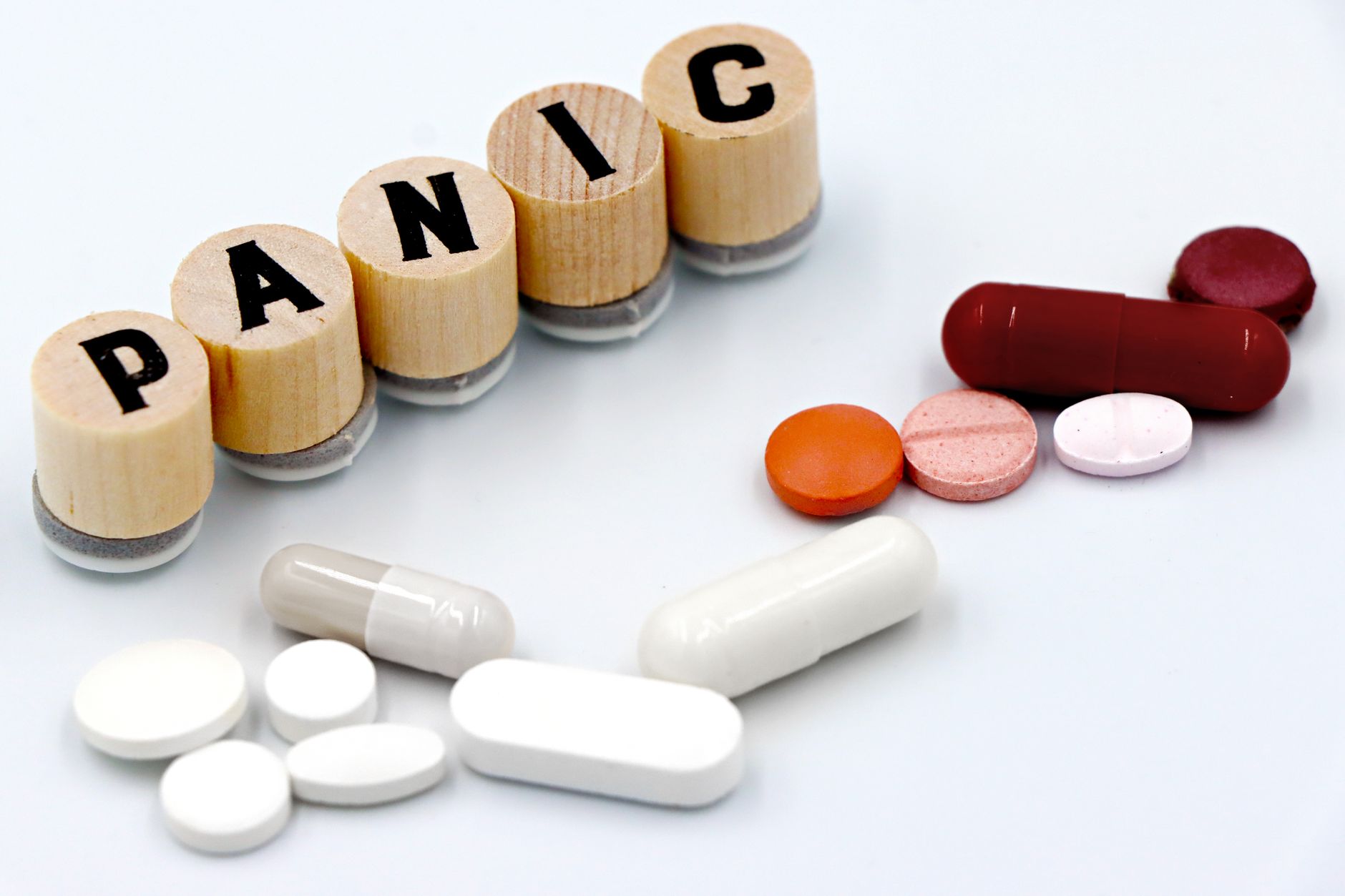
When lifestyle changes and therapy are not enough, medical interventions may be prescribed. Common medications include daily maintenance drugs and fast-acting options like benzodiazepines for acute panic. It is crucial to use prescription medications under strict medical supervision due to risks of tolerance and side effects. Newer clinical approaches, such as ketamine therapy, are also emerging as viable options for treatment-resistant anxiety.
Leave a Reply