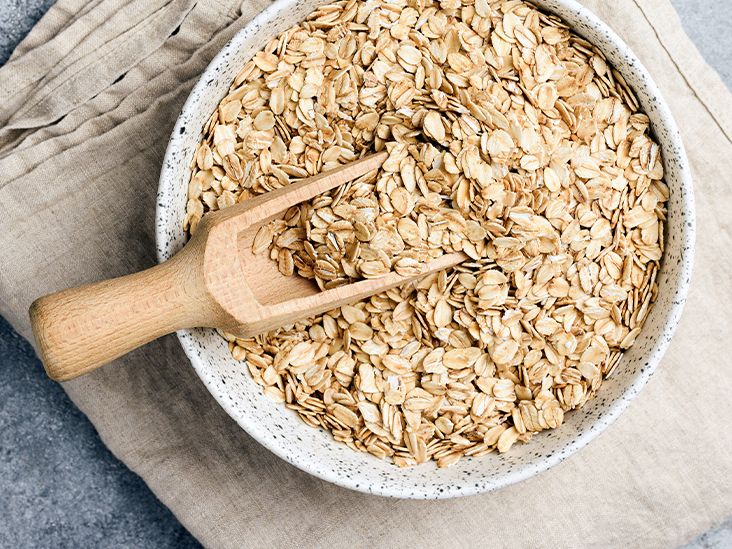
Oats are a highly nutritious whole grain, rich in fiber, vitamins, minerals, and antioxidants. They are known for supporting heart and digestive health, with studies indicating benefits such as improved blood sugar control, reduced cholesterol levels, and assistance with weight management. This versatile grain is a valuable addition to a healthy diet.
What Are Oats and Oatmeal?
Oats, scientifically known as Avena sativa, are a whole grain food. While oat groats represent the most intact form, they require a longer cooking time. Consequently, many prefer rolled, crushed, or steel-cut oats for convenience. Instant oats are the most processed variety, offering quick preparation but potentially a softer texture. Oats are frequently consumed as oatmeal, a porridge made by boiling them in water or milk, typically for breakfast. Beyond porridge, oats are a common ingredient in baked goods like muffins, granola bars, and cookies.
1. Highly Nutritious Profile
Oats boast a well-balanced nutritional profile, providing a significant source of carbohydrates and fiber, notably beta-glucan. They also offer high-quality protein, complete with a good balance of essential amino acids, making them a nutrient-dense food choice.
2. Rich in Antioxidants
Whole oats are abundant in antioxidants and beneficial plant compounds known as polyphenols. Among these, avenanthramides are particularly noteworthy, as they are a unique group of antioxidants found almost exclusively in oats.
3. Source of Powerful Soluble Fiber
A significant component of oats is beta-glucan, a soluble fiber. This fiber partially dissolves in water, forming a thick, gel-like substance in the digestive tract. Beta-glucan is associated with several health benefits, including its role in managing blood glucose levels.
4. May Lower Cholesterol Levels
High blood cholesterol is a significant risk factor for heart disease. Numerous studies indicate that the beta-glucan fiber present in oats is effective in reducing both total and LDL (“bad”) cholesterol levels, contributing to cardiovascular health.
5. Can Improve Blood Sugar Control
For individuals managing elevated blood sugar levels, particularly those with type 2 diabetes, oats may offer benefits. Their consumption can help lower blood sugar, which is often linked to decreased insulin sensitivity.
6. Promotes Fullness and Weight Management
Oatmeal is known for its satiating properties, which can be beneficial for weight management. By promoting a feeling of fullness, it may help reduce overall calorie intake. The beta-glucan fiber in oats contributes to this by slowing down gastric emptying.
7. Benefits for Skin Care
Oats are a common ingredient in various skincare products, often appearing as “colloidal oatmeal.” This finely ground form of oats has been recognized for its skin-protective qualities, offering soothing benefits for irritated skin.
8. Potential to Reduce Childhood Asthma Risk
Asthma, a prevalent chronic lung condition in children, involves inflammation of the airways. Research suggests that early introduction of oats into a child’s diet may be associated with a reduced risk of developing childhood asthma.
9. Aids in Constipation Relief
Constipation, characterized by infrequent or difficult bowel movements, affects a significant portion of the population across all age groups. The fiber content in oats can contribute to improved digestive regularity and help alleviate constipation.
Incorporating Oats into Your Diet
Oats are incredibly versatile and can be enjoyed in numerous ways. The most common method is preparing oatmeal for breakfast. To make a basic oatmeal, combine 1/2 cup of rolled oats with 1 cup (250 ml) of water or milk and a pinch of salt in a pot. Bring to a boil, then reduce heat to a simmer, stirring occasionally until the oats are soft. For enhanced flavor and nutrition, consider adding ingredients like cinnamon, fruits, nuts, seeds, nut butters, or Greek yogurt. Oats are also frequently used in baked goods, muesli, granola, and various breads.
While oats are naturally gluten-free, cross-contamination can occur during harvesting and processing if shared equipment is used with gluten-containing grains. Individuals with celiac disease or gluten sensitivity should opt for oat products specifically certified as gluten-free.
Frequently Asked Questions About Oats
Is it healthy to eat oats every day?
Consuming oats daily is generally considered healthy. Studies, such as one involving individuals with inactive ulcerative colitis who ate oat bran daily for 24 weeks, showed no worsening of symptoms, suggesting regular consumption is well-tolerated. However, due to their high fiber content, some individuals might experience changes in bowel habits.
What’s the difference between wheat and oats?
While both oats and wheat are grains providing carbohydrates, protein, vitamins, and minerals, their nutritional compositions differ. They share similar levels of minerals like magnesium, zinc, and iron. A key distinction is that oats are naturally gluten-free, whereas wheat contains gluten. As mentioned, for those with gluten sensitivities, certified gluten-free oats are recommended to avoid cross-contamination.
Are oats carbohydrates or protein?
Oats are primarily a carbohydrate source, being a type of grain. However, they also provide a notable amount of protein; for instance, 1/2 cup of dry oats contains approximately 5.3 grams of protein, contributing to their balanced nutritional profile.
Is oatmeal the same as oats?
Oats refer to the grain itself, derived from the oat plant. Oatmeal, on the other hand, is the prepared dish, a type of porridge made by cooking oats, typically with water or milk.
Are oats considered a superfood?
Oats are widely regarded as one of the most nutrient-dense foods available, leading many to consider them a “superfood.” While there isn’t a formal scientific definition for the term “superfood,” oats certainly align with the characteristics of foods packed with beneficial nutrients.
Conclusion
Oats stand out as a highly nutritious food, rich in essential vitamins, minerals, and antioxidants. They offer a superior content of soluble fiber, particularly beta-glucan, and protein compared to many other grains. Unique compounds like avenanthramides further enhance their health benefits. Regular consumption of oats can contribute to lower blood sugar and cholesterol levels, provide protection against skin irritation, and aid in relieving constipation. Furthermore, their satiating properties make them beneficial for weight management. Given their versatility and extensive health advantages, oats are undeniably among the most nutrient-dense foods one can incorporate into their diet.
Leave a Reply