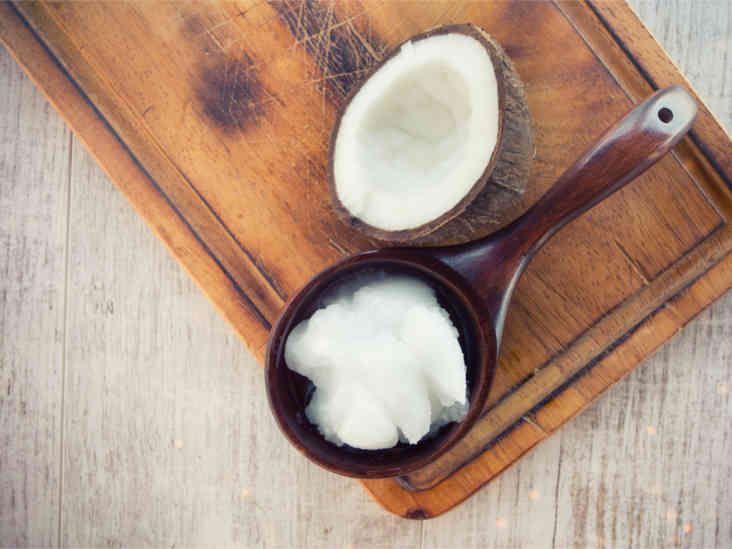
Oil pulling is an ancient oral hygiene practice rooted in traditional Ayurvedic medicine. It involves swishing oil in the mouth to eliminate bacteria and promote dental health. While scientific research continues to grow, several studies highlight its potential to enhance oral hygiene naturally.
Reducing Harmful Bacteria in the Mouth
The human mouth hosts hundreds of bacterial species, some of which contribute to tooth decay, bad breath, and gum disease. Oil pulling helps lower these bacterial populations. Studies indicate that swishing with oils like sesame or coconut oil can significantly reduce harmful bacteria in saliva and plaque, matching the efficacy of standard mouthwashes.
Combating Bad Breath Naturally
Bad breath, or halitosis, often stems from bacterial buildup on the tongue and gums. Traditional treatments rely on antiseptic mouthwashes. However, oil pulling serves as an effective natural alternative. Research shows that regular oil swishing can reduce the microorganisms responsible for bad breath just as effectively as conventional chemical rinses.
Preventing Cavities and Tooth Decay
Cavities develop when bacteria, food particles, and saliva form plaque, producing acids that erode tooth enamel. By reducing the concentration of harmful bacteria in the mouth, oil pulling helps prevent plaque accumulation. This reduction in bacterial load lowers the risk of tooth decay and subsequent cavity formation.
Supporting Gum Health and Reducing Inflammation
Gingivitis is a common gum disease characterized by inflammation, redness, and bleeding, often triggered by plaque-forming bacteria. Oil pulling, particularly with anti-inflammatory oils like coconut oil, can soothe irritated gums. Regular practice helps decrease plaque buildup, leading to noticeable improvements in overall gum health.
An Affordable and Simple Addition to Your Routine
One of the primary advantages of oil pulling is its accessibility. It requires only a single ingredient, such as coconut, sesame, or olive oil, which is readily available in most kitchens. This makes it a cost-effective and straightforward supplement to daily oral care.
How to Practice Oil Pulling Correctly
To integrate oil pulling into your routine, measure one tablespoon of your chosen oil. Swish it gently around your mouth for 15 to 20 minutes, ensuring you do not swallow it. Once finished, spit the oil into a trash receptacle to prevent plumbing clogs. Rinse your mouth thoroughly with water before eating or drinking. For optimal results, perform this practice in the morning on an empty stomach.
Integrating Oil Pulling for Optimal Oral Health
While oil pulling offers numerous benefits for oral hygiene, it should not replace standard dental care practices. Brushing, flossing, and regular dental checkups remain essential. When used as a complementary therapy, oil pulling serves as a safe, natural, and effective method to support a healthier smile.
Leave a Reply