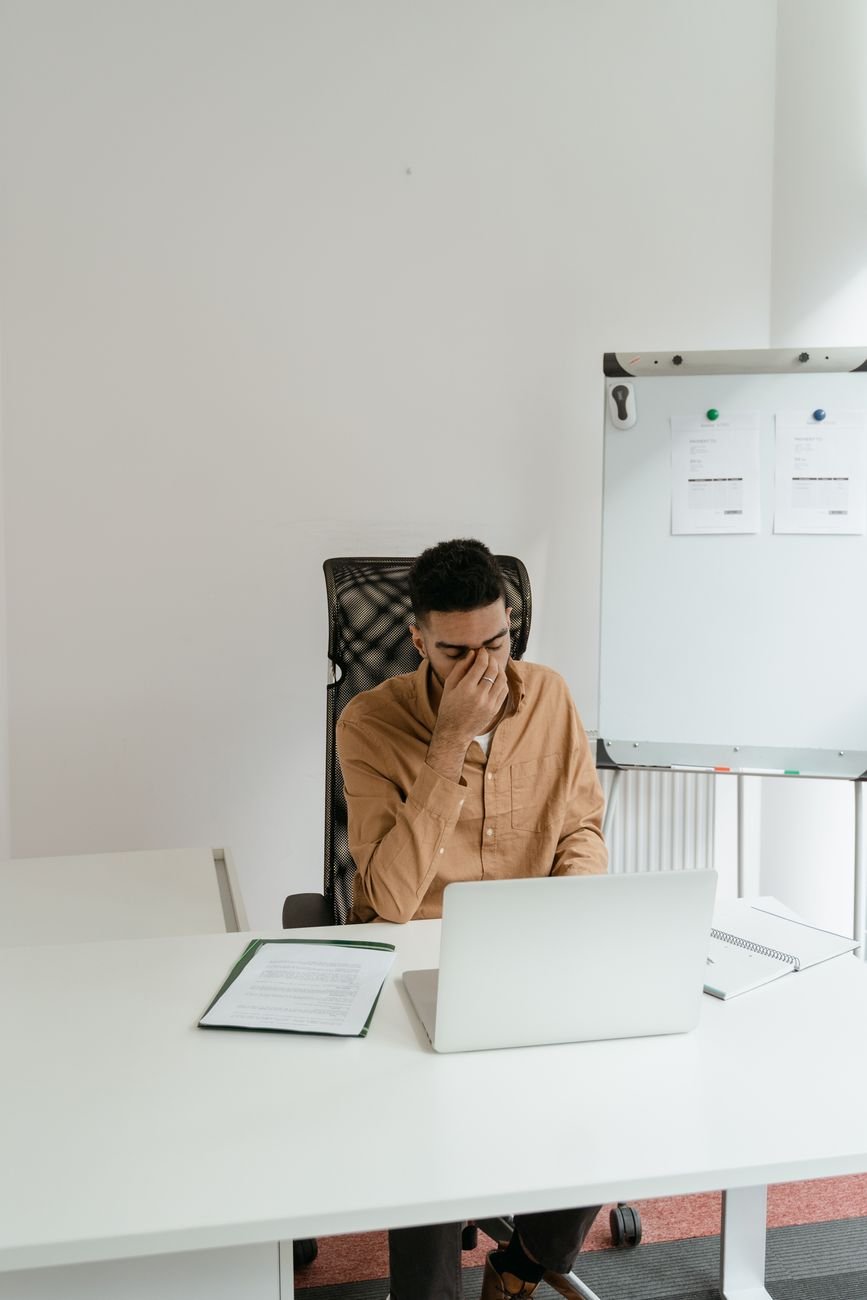
Understanding Long-Term Anxiety Management
Living with persistent anxiety can significantly impact daily life, making it essential to establish sustainable, long-term management strategies. While immediate relief techniques are valuable, developing a comprehensive plan with the guidance of a mental health professional often yields the most effective results. By addressing the root causes of anxiety, individuals can build resilience and improve their overall quality of life.
Identifying and Managing Personal Triggers
Recognizing the specific situations, habits, or substances that spark anxiety is a crucial first step. Common triggers include tight work deadlines, relationship conflicts, caffeine consumption, and underlying health issues. Because triggers are highly individualized, keeping a close record of when anxiety spikes can help pinpoint these patterns, allowing for proactive management and avoidance where possible.
Evaluating the Role of Medication
For some, pharmaceutical intervention plays a key role in managing severe anxiety symptoms. Discussing options with a healthcare provider can clarify whether medications like selective serotonin reuptake inhibitors or other treatments are appropriate. Additionally, it is important to review existing prescriptions, as some medications or sudden withdrawals can inadvertently cause anxiety as a side effect.
Incorporating Daily Mindfulness and Meditation
Establishing a daily meditation practice helps train the brain to process anxious thoughts more calmly. Techniques such as mindful breathing, walking meditation, or guided imagery can reduce the physiological response to stressors over time. Consistent practice builds a mental buffer, making it easier to navigate challenging situations without experiencing overwhelming anxiety.
The Therapeutic Benefits of Journaling
Writing down thoughts and emotions daily serves as a powerful tool for self-reflection and emotional release. Journaling helps track anxiety patterns, identify recurring triggers, and document which coping mechanisms work best. This simple, cost-effective habit has been shown to significantly lower distress levels and improve long-term mental clarity.
Fostering Strong Social Connections
Spending quality time with trusted friends and family members provides essential emotional support. Social interaction helps counter isolation, reduces stress levels, and fosters a sense of belonging. Building a reliable social network enhances psychological resilience, making it easier to cope with life’s inevitable pressures.
Prioritizing Regular Physical Activity
Engaging in regular exercise is one of the most effective natural remedies for anxiety. Physical activity boosts mood-enhancing chemicals in the brain, improves sleep quality, and reduces muscle tension. The cumulative effects of consistent movement, whether through walking, running, or yoga, contribute to long-term emotional stability.
Leave a Reply