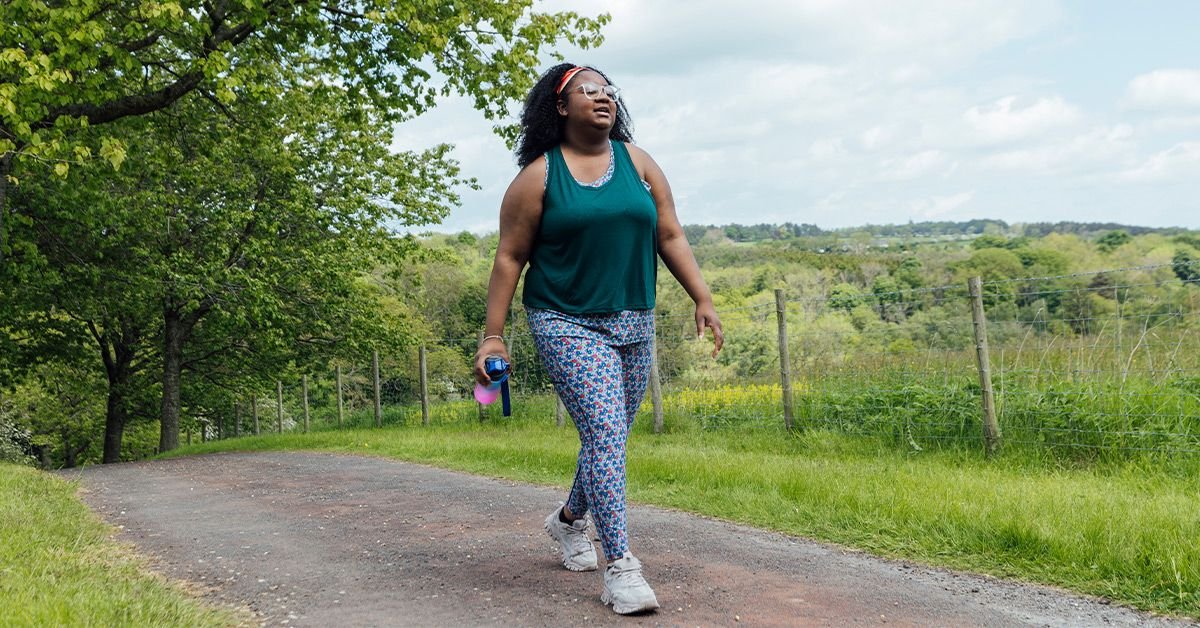
In an era dominated by high-intensity interval training, extreme fitness challenges, and punishing workout trends, a refreshing approach is capturing attention for its simplicity and sustainability: the 6-6-6 walking routine. While viral exercise fads often promise rapid transformations at the expense of joint health and energy levels, standard walking remains one of the most effective, research-backed forms of preventive physical activity available. The 6-6-6 framework elevates a simple daily walk into a structured cardiovascular routine designed to promote fat loss, boost endurance, and support long-term metabolic health.
Walking has long been recognized by medical professionals as a core pillar of preventive care. However, modern sedentary lifestyles frequently prevent individuals from achieving the physical activity required to maintain cardiovascular efficiency. The 6-6-6 method addresses this challenge by providing a clear, memorable schedule that easily integrates into busy daily routines. By establishing specific parameters around timing, duration, and structure, this approach eliminates decision fatigue and empowers participants to take control of their well-being.
Whether you are returning to exercise after a break, recovering from high-impact joint strain, or seeking an enjoyable, sustainable strategy to shed excess body weight, understanding how the 6-6-6 walking trend operates can transform your daily movement routine. In this comprehensive editorial, we examine the underlying physiological mechanisms of low-impact cardiovascular exercise, break down the structured phases of the routine, explore evidence-backed health benefits, and provide practical strategies to maximize your results.
What Is the 6-6-6 Walking Routine and How Does It Work?
The 6-6-6 walking trend is a structured low-impact workout routine centered around three distinct parameters involving the number six. The formula requires completing a 60-minute walking session, performed either at 6:00 AM or 6:00 PM. Each hour-long session is explicitly divided into three phases designed to optimize physiological readiness and recovery: a 6-minute slow warm-up, a 48-minute brisk walking main phase, and a 6-minute gradual cool-down.
The choice to walk at 6:00 AM or 6:00 PM leverages behavioral psychology and circadian timing. Exercising at 6:00 AM allows individuals to complete their physical activity before daily workplace and personal obligations accumulate, enhancing morning mental clarity and setting a healthy baseline for the day. Alternatively, walking at 6:00 PM provides a deliberate transition between professional work and personal relaxation, helping reduce evening stress and support digestive function after dinner.
From a physiological perspective, the 48-minute brisk walking phase targets Zone 2 cardiovascular training, which corresponds to approximately 50% to 60% of your maximum heart rate. Zone 2 exercise is widely recognized by sports scientists as the optimal intensity for mitochondrial efficiency and fat oxidation. Because the body relies primarily on stored fatty acids rather than circulating glycogen during sustained moderate effort, continuous brisk walking serves as a potent, low-stress method for supporting weight loss without inducing extreme physical exhaustion.
Key Health Benefits and Clinical Evidence
Engaging in structured daily walking delivers comprehensive physiological and psychological benefits. While high-intensity workouts burn significant calories in short bursts, low-impact walking offers comparable overall health improvements with reduced risk of joint strain or overtraining syndrome.
- Targeted Fat Oxidation: Maintaining a steady Zone 2 heart rate encourages the body to utilize stored adipose tissue for fuel, supporting steady calorie management without triggering intense post-exercise hunger surges.
- Cardiovascular Protection: Sustained walking helps lower resting blood pressure, enhances blood vessel elasticity, improves overall circulation, and promotes healthier cholesterol profiles by raising high-density lipoprotein (HDL) levels.
- Reduced Joint Compressive Force: Unlike running or high-impact group fitness classes, walking minimizes impact stress on the knees, hips, and lower spine, making it accessible for individuals with pre-existing joint sensitivity.
- Enhanced Insulin Sensitivity: Regular aerobic movement stimulates cellular glucose absorption, helping to balance blood sugar levels and decrease the risk of metabolic dysfunction.
- Stress Reduction and Cortisol Regulation: Rhythmic, low-impact exercise stimulates endorphin production while lowering circulating stress hormones, helping to alleviate symptoms of anxiety and general daily tension.
- Circadian Alignment and Sleep Quality: Exposure to outdoor daylight during morning or early evening walks helps balance your internal circadian clock, promoting smoother sleep onset and deeper overall sleep quality.
- Skeletal System Preservation: As a weight-bearing activity, regular walking exerts mild, productive mechanical stress on bones, stimulating remodeling and helping maintain bone mineral density as you age.
Consensus among major global health organizations highlights that achieving 150 minutes or more of moderate-intensity aerobic exercise per week dramatically reduces the incidence of chronic conditions, including cardiovascular disease, stroke, and type 2 diabetes. The 6-6-6 routine easily meets and exceeds these recommendations in just three weekly sessions, providing an efficient path toward lifelong physical resilience.
Beyond structural physical benefits, steady walking positively influences brain health. Continuous aerobic activity increases cerebral blood flow and stimulates neuroplasticity, supporting executive cognitive function, memory retention, and mental sharpens. Adopting a structured walking habit provides comprehensive care for both mind and body.
Practical Guide: How to Safely Start the 6-6-6 Routine
Transitioning into a 60-minute continuous walking program requires thoughtful preparation to prevent lower-leg discomfort, foot pain, or initial burnout. If you are currently unaccustomed to prolonged physical activity, attempting a full hour on day one may cause muscular soreness. Beginners should build stamina gradually, starting with 20 to 30 minutes of continuous walking and adding 5 to 10 minutes each week until comfortably completing the full 60-minute duration.
Equipment selection directly influences walking comfort and biomechanical efficiency. Choose supportive footwear specifically constructed for walking or distance running, ensuring adequate arch support and flexibility. Leave roughly a half-inch of clearance between your longest toe and the end of the shoe to accommodate natural foot swelling during exercise. Pair your shoes with moisture-wicking synthetic or merino wool socks to reduce friction and guard against painful skin blisters.
Focusing on correct walking posture optimizes biomechanics and reduces unnecessary strain on your lower back and neck. Maintain an upright torso with your shoulders relaxed, chest open, and head aligned over your shoulders. Swing your arms naturally from your shoulder joints at a comfortable 90-degree bend. Land smoothly on your heel, roll through the arch of your foot, and push off cleanly from your toes with each stride.
Practical Guide: Strategies to Optimize Weight Loss and Avoid Plateaus
To maximize caloric expenditure and prevent adaptation over time, incorporating minor variations into your 6-6-6 walking sessions can enhance results without increasing joint impact. While the main protocol emphasizes a sustained brisk pace, incorporating varied terrain—such as gentle outdoor hills, undulating park paths, or elevated treadmill inclines—engages the glutes, hamstrings, and calves more intensely while raising your heart rate naturally.
Another effective strategy is integrating mild tempo intervals during the 48-minute main walk. Alternate between 4 minutes of comfortable moderate walking and 1 minute of purposeful fast-paced walking. This subtle adjustment increases total calorie burn and enhances cardiovascular adaptability while keeping the overall intensity well within a manageable, low-impact threshold. Utilizing a wrist-based heart rate monitor can help verify that you remain within your targeted aerobic range.
Finally, pair your walking habit with supporting lifestyle fundamentals. Sustainable body composition changes require a balanced, nutrient-dense diet with adequate protein intake to support muscle recovery. Ensure consistent hydration before, during, and after your walks. Remember that long-term consistency is far more impactful than short-term intensity; maintaining a regular walking routine four to six days per week creates lasting health improvements that far outpace sporadic, exhaustive workouts.
Frequently Asked Questions
Can you lose weight by just walking 60 minutes a day?
Yes, walking 60 minutes a day can effectively support weight loss when combined with a balanced, calorie-conscious diet. A brisk hour-long walk burns between 200 and 400 calories depending on your body weight, pace, and local terrain. Because walking primarily utilizes fat oxidation and creates minimal physical stress, it helps maintain daily calorie deficits without triggering the excessive appetite surges often caused by intense workouts.
Do I strictly have to walk at 6 AM or 6 PM for this to work?
No, the 6 AM or 6 PM timing is primarily a behavioral framework designed to help establish consistency before your workday begins or immediately after it ends. The physical benefits of a structured 60-minute walk—including cardiovascular conditioning, fat oxidation, and calorie expenditure—remain identical regardless of the time of day you choose to exercise. Adapt the routine to fit your personal schedule and peak energy levels.
How does the 6-6-6 walking trend compare to high-intensity interval training (HIIT)?
High-intensity interval training burns a high number of calories in short periods but imposes significant demands on joints, central nervous system recovery, and muscle glycogen stores. The 6-6-6 walking routine provides a low-impact alternative that can be sustained daily without chronic fatigue or joint wear. While HIIT improves peak anaerobic power, structured walking excels at building foundational aerobic endurance, managing body fat, and supporting long-term physical consistency.
Conclusion and Final Takeaway
The 6-6-6 walking trend highlights an important truth in modern fitness: achieving meaningful weight loss and improving long-term health does not require extreme physical exhaustion or overly complex training protocols. By combining a predictable 60-minute format, functional warm-up and cool-down phases, and clear daily scheduling, this routine transforms simple movement into an effective cardiovascular strategy. It offers an accessible, low-impact path for individuals of all fitness levels to enhance metabolic efficiency, manage stress, and burn body fat safely.
As you integrate the 6-6-6 framework into your weekly lifestyle, remember that true progress stems from patience, consistency, and proper recovery. Pay attention to your body’s signals, invest in supportive footwear, and gradually scale your pacing as your fitness foundation expands. By prioritizing daily structured movement, you lay a durable foundation for lifelong mobility, metabolic strength, and general health resilience.
Leave a Reply