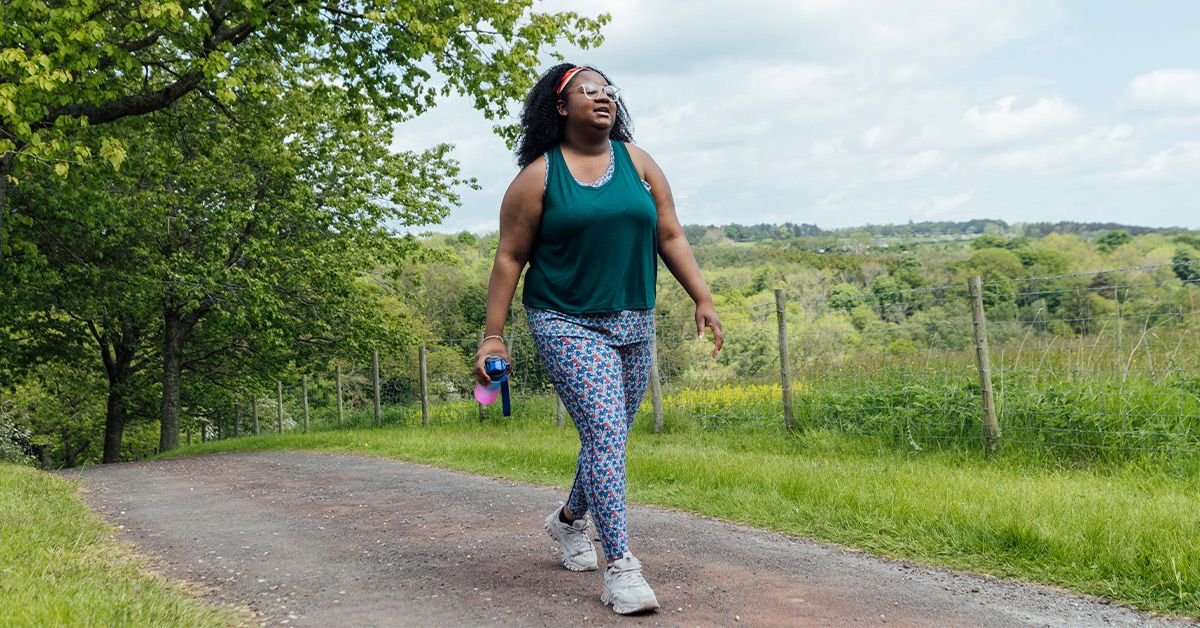
Fitness trends come and go with incredible speed, often promising dramatic body transformations through intense physical exertion or complicated dietary protocols. Yet, amid the noise of high-intensity interval training and exhausting strength routines, one of the most effective tools for sustainable weight management and lifelong cardiovascular health remains surprisingly straightforward: walking. Enter the 6-6-6 walking trend, a structured low-impact exercise routine designed to convert everyday movement into a powerful driver of fat loss, heart conditioning, and psychological resilience.
Unlike extreme physical challenges that leave participants exhausted or vulnerable to injury, the 6-6-6 walking protocol leverages circadian timing and moderate-intensity steady-state exercise to establish an approachable, highly consistent daily habit. By providing a clear template that fits seamlessly into busy modern schedules, this viral fitness method bridges the gap between casual daily stepping and purposeful exercise. Whether your goal is to shed excess body weight, lower your blood pressure, or clear your mind after a demanding workday, understanding the physiological mechanics and real-world implementation of this routine can help you achieve lasting success.
In this comprehensive guide, we will explore the science behind low-impact aerobic training, dissect every structural element of the 6-6-6 walking framework, evaluate its proven physiological and mental health benefits, and provide an actionable roadmap to help you integrate it successfully into your lifestyle.
What It Is & How It Works
The 6-6-6 walking routine is a structured movement framework built around specific timing, duration, and intensity parameters. The core strategy revolves around three distinct sixes: walking for a total duration of 60 minutes, scheduling the workout session either at 6:00 a.m. or 6:00 p.m., and bookending the main exercise block with a 6-minute warm-up and a 6-minute cool-down. The main body of the workout—the 48 minutes sandwiched between the warm-up and cool-down—is conducted at a brisk, purposeful pace designed to elevate the heart rate into a moderate aerobic zone.
From an exercise physiology perspective, this program relies heavily on Zone 2 heart rate training. Zone 2 corresponds to approximately 50% to 60% of an individual’s maximum heart rate, an intensity level where the body primarily utilizes stored fat as its primary fuel source rather than rapidly accessible carbohydrates. Exercising within this target zone allows individuals to maximize lipid oxidation while minimizing metabolic fatigue and stress on the central nervous system. The initial 6-minute warm-up at a gentle pace gradually increases core body temperature, lubricates the synovial fluid in joint capsules, and prepares the cardiovascular system for higher demand. Conversely, the final 6-minute cool-down allows the heart rate and blood pressure to return smoothly toward resting levels, reducing post-exercise blood pooling and accelerating recovery.
By establishing fixed anchor points at 6:00 a.m. or 6:00 p.m., the routine harnesses the psychological power of habit stacking. Morning sessions capitalize on lower distraction levels, cooler ambient temperatures, and the metabolic boost of completing physical activity early in the day. Evening sessions, on the other hand, offer a structured transition away from occupational stress, helping to clear accumulated mental fatigue and optimize post-meal insulin sensitivity following dinner.
Key Benefits, Symptoms, or Evidence
Regular participation in a structured walking program like the 6-6-6 routine provides profound systemic advantages that touch nearly every major organ system in the human body. Research in preventive cardiology and metabolic health consistently highlights low-impact steady-state exercise as a vital component of long-term wellness.
- Enhanced Fat Oxidation and Caloric Expenditure: Sustaining 60 minutes of movement within lower heart rate zones encourages the body to mobilize fatty acids for fuel, assisting in long-term body composition management without triggering severe hunger spikes.
- Cardiovascular and Metabolic Protection: Regular brisk walking strengthens cardiac muscle, reduces resting blood pressure, lowers circulating LDL cholesterol, and improves overall insulin sensitivity, significantly reducing the long-term risk of cardiovascular disease and type 2 diabetes.
- Minimal Joint Strain: Unlike high-impact activities like running or plyometrics, walking subjects the ankles, knees, hips, and lumbar spine to minimal ground reaction forces, making it safe for individuals with joint degeneration, excess weight, or limited mobility.
- Stress Reduction and Mental Well-Being: Sustained rhythmic movement stimulates the release of mood-boosting endorphins while lowering systemic cortisol levels, offering potent protection against chronic anxiety, cognitive fatigue, and depressive symptoms.
- Improved Sleep Quality and Cognition: Consistent daily exercise helps regulate sleep architecture and increases brain-derived neurotrophic factor, supporting enhanced memory, mental focus, and executive cognitive functioning.
- Longevity and Reduced All-Cause Mortality: Extensive population studies show that achieving high daily step volumes correlates directly with lower rates of premature mortality and reduced incidence of chronic metabolic conditions.
These combined health benefits highlight why consistent walking often outperforms sporadic, high-stress workouts over a lifespan. When exercise feels manageable and enjoyable, long-term adherence rates skyrocket, leading to real, sustained physical transformations.
Preparing & Structuring Your Routine
To maximize the benefits of the 6-6-6 walking trend while avoiding common discomforts or overuse injuries, thoughtful preparation is vital. Start by evaluating your footwear. Invest in flexible, supportive walking or running shoes that leave approximately half an inch of clearance between your longest toe and the tip of the shoe to accommodate natural foot swelling during an hour of movement. Pair your shoes with synthetic, moisture-wicking socks rather than cotton to prevent friction and lower the risk of blisters.
When executing your workout, follow the internal pacing formula deliberately. Begin with 6 minutes at a relaxed, easy pace, focusing on upright posture and deep diaphragmatic breathing. As you transition into the 48-minute main block, increase your stride rate and swing your arms naturally at a 90-degree angle. Maintain a pace where you can converse in full sentences, though your breathing should be noticeably elevated. Finish the session with 6 minutes of slow walking, followed by gentle static stretches targeting the calves, hamstrings, quadriceps, and hip flexors while the muscles remain warm.
Overcoming Obstacles & Sustaining the Habit
Building a permanent exercise habit requires flexible strategies for overcoming real-world obstacles. If completing 60 continuous minutes feels overwhelming at first, apply a progressive adaptation model. Begin with a 30-minute version of the routine—consisting of a 3-minute warm-up, 24 minutes of brisk walking, and a 3-minute cool-down—and add 5 minutes to the total duration each week until you reach the full 60-minute standard. If inclement weather or extreme seasonal temperatures interfere with outdoor walking, seamlessly transition the routine to an indoor treadmill, an enclosed walking track, or a local community mall without altering the core structure.
To maintain psychological engagement over months of practice, vary your sensory environment and introduce subtle physical challenges. Listen to audiobooks, educational podcasts, or curated music playlists during your brisk walking phase, or dedicate sessions to quiet, mindful walking focused on your breathing rhythm and external surroundings. If your weight loss or fitness progress plateaus, introduce variable terrain, such as gentle hills or moderate treadmill inclines. Incline walking increases calorie expenditure and engages the gluteal and calf musculature more dynamically without placing excess mechanical stress on your joints.
Frequently Asked Questions – FAQ
Is walking at 6 a.m. or 6 p.m. scientifically better than walking at other times of day?
While the baseline physiological benefits of walking—such as calorie burn, muscle engagement, and cardiovascular conditioning—occur regardless of the hour, walking at 6 a.m. or 6 p.m. offers specific lifestyle and biological advantages. Early morning walking at 6 a.m. exposes your eyes to natural sunlight, which reinforces your circadian rhythm, suppresses melatonin production, and improves daytime alertness. Evening walking at 6 p.m. aids in post-prandial glucose management by helping your body clear blood sugar after dinner, while serving as a useful psychological transition to relieve workday stress before sleep.
Can the 6-6-6 walking routine replace strength training or intense cardio workouts?
The 6-6-6 walking program is an exceptional foundation for aerobic health, endurance, and weight loss, but it works best when integrated into a well-rounded fitness regimen rather than completely replacing other forms of exercise. While brisk walking excels at building cardiovascular fitness and burning fat, resistance training remains essential for preserving lean muscle mass, improving bone density, and maintaining a healthy resting metabolic rate. Combining two to three weekly resistance sessions with your daily walking habit creates an ideal balance for long-term health.
How should complete beginners transition safely into an hour-long walking session?
If you are returning to physical activity after a sedentary period or managing chronic joint pain, attempting 60 continuous minutes on your first day can lead to excessive soreness or strain. Beginners should start with shorter intervals, such as two 30-minute walks spread throughout the day, or a single 20-to-30-minute session following the same warm-up and cool-down principles. Gradually increase your total walking time by 5 to 10 minutes every week to give your tendons, ligaments, and cardiovascular system adequate time to adapt safely.
Conclusion / Final Takeaway
The 6-6-6 walking trend is far more than a passing social media craze; it is an accessible, evidence-backed framework for embedding high-value physical activity into your daily life. By combining a 60-minute duration with consistent timing at 6 a.m. or 6 p.m. and incorporating structured warm-up and cool-down phases, this protocol transforms ordinary walking into a highly effective fitness tool. It removes unnecessary fitness jargon and complicated programming, delivering substantial cardiovascular, metabolic, and emotional benefits without overtaxing your body.
Ultimately, the true strength of the 6-6-6 method lies in its long-term sustainability. Lasting health transformations and sustainable weight loss are not achieved through brief periods of extreme physical strain, but through modest, repeatable actions performed consistently over time. Whether you step out the door as the sun rises or as the evening unfolds, committing to this simple daily walking habit can serve as the cornerstone of a healthier, happier, and more active lifestyle.
Leave a Reply