The Importance of Plant-Based Protein
Adopting a vegetarian or vegan diet offers numerous health benefits, but ensuring adequate protein intake is a common priority. Fortunately, a wide variety of plant-based foods can easily fulfill daily nutritional requirements. By incorporating diverse protein sources into your meals, you can maintain a balanced and nourishing diet without relying on animal products.
Top Plant-Based Protein Sources
Seitan stands out as one of the richest plant proteins available, offering approximately 25 grams of protein per 100-gram serving. Known for its meat-like texture, it is crafted from wheat gluten, making it a popular choice for savory dishes, though it is unsuitable for those with gluten sensitivities.
Soy-based foods like tofu, tempeh, and edamame are excellent complete proteins, meaning they provide all essential amino acids. These versatile ingredients deliver between 12 and 20 grams of protein per serving, alongside essential minerals like iron and calcium.
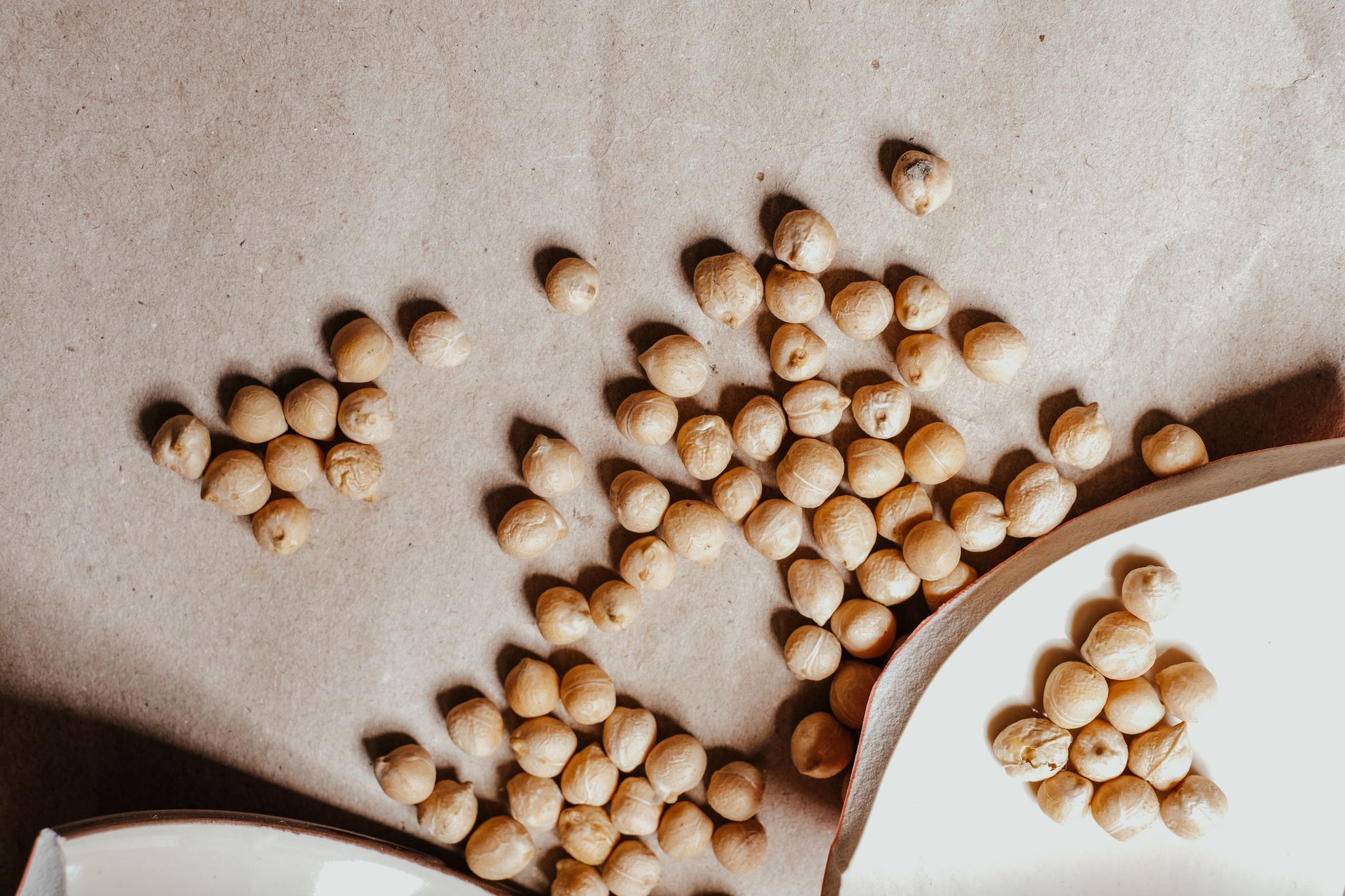
Lentils and beans are nutritional powerhouses. A single cup of cooked lentils provides 18 grams of protein and a significant amount of dietary fiber, promoting digestive health. Beans, including black beans, chickpeas, and kidney beans, offer about 15 grams of protein per cup and help manage blood sugar and cholesterol levels.
Nutrient-Dense Seeds and Grains
Hemp seeds and chia seeds are small but mighty additions to any diet. Hemp seeds provide 9 grams of protein per three tablespoons, along with essential fatty acids that combat inflammation. Chia seeds offer 5 grams of protein per ounce and are exceptionally rich in fiber and omega-3s.
Ancient grains and pseudocereals like quinoa, amaranth, spelt, and teff provide robust protein profiles. Quinoa and amaranth are complete proteins, offering around 8 to 9 grams per cooked cup. Spelt and teff deliver even higher amounts, reaching up to 11 grams of protein per cup.
Oats and wild rice also contribute valuable protein to daily meals. Half a cup of dry oats contains about 5 grams of protein, while a cup of cooked wild rice provides nearly 7 grams, retaining its nutrient-rich bran layer.
Superfoods and Everyday Vegetables
Nutritional yeast is a favorite among plant-based enthusiasts, offering 8 grams of complete protein in just two tablespoons, often fortified with crucial B vitamins like B12. Spirulina, a blue-green algae, is another superfood delivering 8 grams of protein per two tablespoons, alongside iron and antioxidants.
Green peas, containing nearly 9 grams of protein per cup, actually surpass the protein content of whole dairy milk. Other vegetables like broccoli, spinach, asparagus, and Brussels sprouts also contribute to daily protein goals when consumed regularly.
Mycoprotein, derived from fungi, is another excellent meat substitute, providing 15 to 16 grams of protein per serving. Finally, incorporating nuts, nut butters, and soy milk into your daily routine ensures a steady and diverse intake of essential amino acids.
How to Reach Your Daily Protein Goals
Meeting daily protein requirements on a plant-based diet is highly achievable through variety. Combining different sources, such as pairing grains with legumes or adding seeds to smoothies, ensures a complete amino acid profile. Consulting with a healthcare professional or registered dietitian can help tailor a personalized nutrition plan to support your health journey.
Leave a Reply