Introduction to Plant-Based Protein
A common concern regarding vegetarian and vegan diets is the potential for insufficient protein intake. However, individuals following these diets can readily obtain all necessary protein from a diverse array of plant sources. While many plant-based foods offer significant protein per serving, it is crucial to note that diets heavily reliant on ultra-processed plant foods may increase the risk of nutrient deficiencies. A well-planned approach, potentially guided by a healthcare professional, can ensure all nutritional needs are met.
Seitan
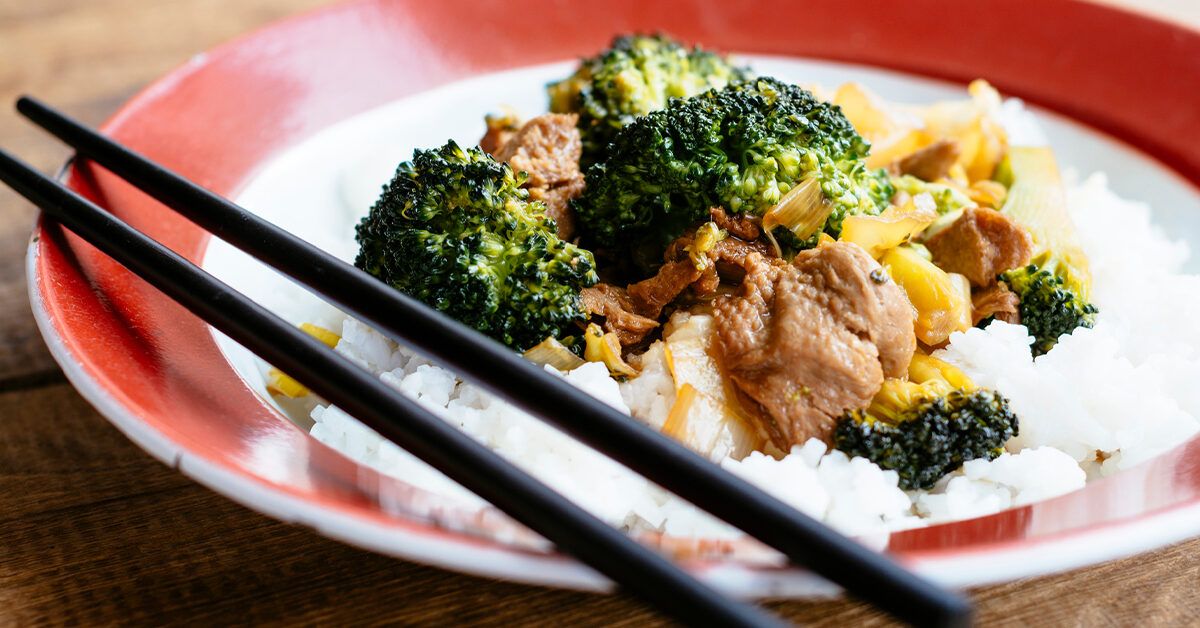
Seitan stands out as a popular protein source for many vegetarians and vegans. Often referred to as wheat meat or wheat gluten, it closely mimics the appearance and texture of meat when cooked. Providing approximately 25 grams of protein per 3.5 ounces (100 grams), seitan is among the richest plant-based protein sources available. It also supplies selenium and smaller amounts of iron, calcium, and phosphorus. Due to its composition from gluten, individuals with gluten-related disorders should avoid it.
Tofu, Tempeh, and Edamame
These three soy-derived foods are excellent protein sources, each offering 12 to 20 grams of protein per 3.5 ounces (100 grams) serving. All originate from soybeans, which are considered a complete protein, supplying all essential amino acids. Edamame is further enriched with folate, vitamin K, and fiber, supporting digestion. Tempeh, a fermented soy product, contains probiotics, B vitamins, and minerals such as magnesium and phosphorus.
Lentils
Lentils are a powerhouse of protein and fiber, delivering 18 grams of protein per cooked cup (198 grams) and over half of the recommended daily fiber intake. The fiber content in lentils promotes a healthy gut and may contribute to reducing the risk of heart disease, diabetes, and obesity. Additionally, lentils are rich in folate, manganese, iron, antioxidants, and other beneficial plant compounds.
Beans
Kidney, black, pinto, and most other bean varieties, including chickpeas, are fundamental staple foods globally and provide substantial protein per serving. Most types of beans offer around 15 grams of protein per cooked cup (170 grams). They are also valuable sources of complex carbohydrates, fiber, iron, folate, phosphorus, potassium, manganese, and various beneficial plant compounds. Research indicates that diets rich in beans and other legumes can help decrease cholesterol levels, manage blood sugar, lower blood pressure, and reduce body weight.
Nutritional Yeast
Nutritional yeast is a deactivated strain of Saccharomyces cerevisiae yeast, commonly sold as a yellow powder or flakes. This complete plant protein source provides 8 grams of protein and 3 grams of fiber per half ounce (16 grams). Fortified nutritional yeast is also a source of zinc, magnesium, copper, manganese, and B vitamins, including vitamin B12.
Spelt and Teff
Spelt and teff are ancient grains, offering 10 to 11 grams of protein per cooked cup, making them higher in protein than many other grains. Both are sources of complex carbohydrates, fiber, iron, magnesium, phosphorus, manganese, B vitamins, zinc, and selenium. Spelt is a type of wheat containing gluten, while teff, derived from an annual grass, is naturally gluten-free.
Hemp Seeds
Hemp seeds, from the Cannabis sativa plant, contain only trace amounts of psychoactive compounds. Despite being less widely known, they provide 9 grams of protein in each 3-tablespoon (30 grams) serving. They are also rich in magnesium, iron, calcium, zinc, and essential fatty acids, which may help reduce inflammation and alleviate symptoms of certain conditions.
Green Peas
Green peas offer nearly 9 grams of protein per cooked cup (160 grams), surpassing the protein content of a cup of dairy whole milk. They are also a good source of fiber, thiamine, folate, manganese, vitamin C, and vitamin K.
Spirulina
This blue-green algae is a nutritional powerhouse. A 2-tablespoon (14 grams) serving of spirulina provides 8 grams of complete protein, alongside significant amounts of copper and iron. Spirulina also contains high levels of magnesium, riboflavin, manganese, potassium, and smaller quantities of most other essential nutrients, including essential fatty acids. Preliminary research suggests that phycocyanin, a natural pigment in spirulina, may possess antioxidant, anti-inflammatory, and anti-cancer properties, though more studies are needed.
Amaranth and Quinoa
Often categorized as ancient or gluten-free grains, amaranth and quinoa are technically pseudocereals as they do not grow from grasses. Both provide 8 to 9 grams of complete protein per cooked cup (185 grams and 246 grams, respectively), a rare quality among grains and pseudocereals. They are also good sources of complex carbohydrates, fiber, iron, manganese, phosphorus, and magnesium.
Ezekiel Bread and Sprouted Grains
Ezekiel bread is crafted from organic, sprouted whole grains and legumes, including wheat, millet, barley, spelt, soybeans, and lentils. Two slices typically contain about 8 grams of protein. Sprouting grains and legumes enhances their nutrient profile and reduces antinutrient content, which can hinder the absorption of certain vitamins and minerals. This process can also increase specific amino acids, such as lysine, improving overall protein quality.
Soy Milk
Derived from soybeans, soy milk is frequently fortified with vitamins and minerals. A cup (244 grams) provides 6 grams of protein, along with calcium, vitamin D, and vitamin B12 (if fortified). It is advisable to choose fortified, unsweetened varieties, as soy milk does not naturally contain vitamin B12, and some types may have added sugar.
Oats and Oatmeal
Incorporating oats into one’s diet is a simple and delicious way to boost protein intake. Half a cup (40 grams) of dry oats offers approximately 5 grams of protein and 4 grams of fiber, along with magnesium, zinc, phosphorus, and folate. While not a complete protein, oats contain higher quality protein than many other commonly consumed grains like rice and wheat.
Wild Rice
Unlike white rice, wild rice retains its bran, which is nutritionally beneficial, providing fiber, vitamins, and minerals. A cooked cup (164 grams) contains nearly 7 grams of protein, in addition to fiber, manganese, magnesium, copper, phosphorus, and B vitamins.
Chia Seeds
Originating from the Salvia hispanica plant, chia seeds provide almost 5 grams of protein and 10 grams of fiber per ounce (28 grams). These small seeds are also rich in iron, calcium, selenium, magnesium, omega-3 fatty acids, antioxidants, and other beneficial plant compounds.
Nuts, Nut Butter, and Other Seeds
Nuts, seeds, and their derived products are excellent protein sources, with protein content varying by type (e.g., 6 grams per ounce of almonds). They are also rich in fiber, healthy fats, iron, calcium, magnesium, selenium, phosphorus, vitamin E, certain B vitamins, and antioxidants.
Protein-Rich Fruits and Vegetables
While all fruits and vegetables contain protein, some offer higher amounts. Vegetables with notable protein content include broccoli, spinach, asparagus, artichokes, potatoes, sweet potatoes, and Brussels sprouts. Sweet corn, though technically a grain, also provides significant protein. Among fruits, guava, cherimoya, mulberries, blackberries, nectarines, and bananas have higher protein levels.
Mycoprotein
Mycoprotein is a non-animal-based protein derived from Fusarium venenatum, a type of fungus. It is frequently used in meat substitutes like veggie burgers and fillets. Its nutritional value varies by product, but most offer 15 to 16 grams of protein and 5 to 8 grams of fiber per 3.5 ounces (100 grams). While concerns about food allergies exist, adverse reactions to mycoprotein in commercial products are rare. Individuals following a vegan diet should check labels, as some mycoprotein products may contain egg whites.
Achieving Protein Goals on a Plant-Based Diet
Attaining daily protein goals on a vegan or vegetarian diet is entirely feasible by incorporating a variety of plant protein sources into each meal and snack. This can involve combining foods like seitan, tofu, beans, and lentils with smaller protein contributors such as whole grains, nutritional yeast, and nuts. For personalized guidance on creating an eating plan tailored to individual dietary requirements and preferences, consulting a healthcare professional, such as a registered dietitian or primary care doctor, is highly recommended.
Leave a Reply