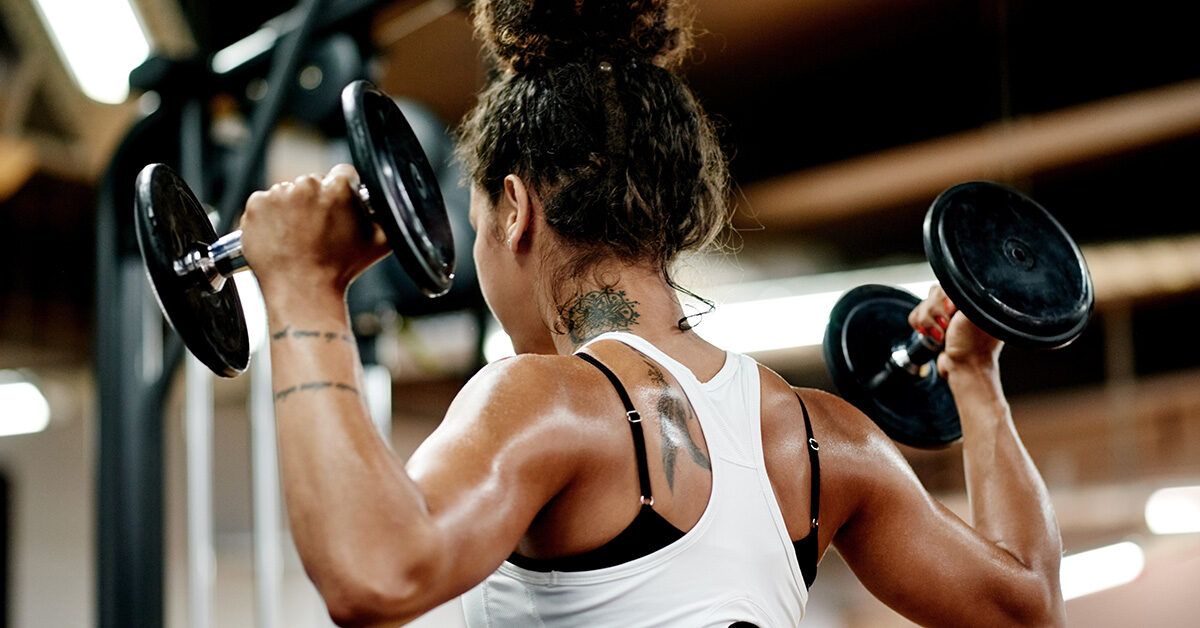
Understanding Your Back Anatomy
Back pain is a widespread issue affecting millions of people globally. Because almost every physical movement engages your back, maintaining strength in this area is crucial for mobility and injury prevention. The primary muscle groups of the back include the latissimus dorsi, rhomboids, trapezius, and erector spinae. Strengthening these muscles enhances spinal support and improves overall posture.
The Importance of a Proper Warmup
Before diving into targeted back exercises, it is essential to prepare your body. Start with five to ten minutes of moderate cardiovascular activity to increase blood flow. Follow this with dynamic stretching to prime your muscles and joints for the workout ahead.
1. Resistance Band Pull-Apart
This simple yet effective exercise is excellent for starting your workout. It focuses on scapular retraction, pulling the shoulder blades together to target the rhomboids, rear deltoids, and trapezius. To perform it, stand with your arms extended, holding a resistance band parallel to the floor. Pull the band to your chest by moving your arms outward, squeezing your shoulder blades together. Complete one to three sets of eight to twelve repetitions.
2. Lat Pulldown
The lat pulldown is a fundamental movement for building mid- and lower-back strength. It primarily targets the latissimus dorsi while also engaging the trapezius, rhomboids, and arms. Sit at a pulldown machine, grip the bar wider than shoulder-width, and pull it down toward your chest while keeping your torso upright. Perform one to three sets of eight to twelve reps.
3. Back Extension
Back extensions target the entire posterior chain, making them an excellent choice for beginners. Lie facedown on an exercise ball with your abdomen centered. Extend your arms overhead and slowly raise your upper body toward the ceiling, engaging your core and glutes. Lower back down with control and repeat for one to three sets of eight to twelve repetitions.
4. Suspended Row
Using a suspension trainer, this bodyweight exercise challenges your stability and core strength. Grab the handles and lean back to form a straight line with your body. Pull your chest up toward the handles while keeping your elbows close to your sides. Slowly lower yourself back to the starting position. Complete one to three sets of eight to twelve reps.
5. Wood Chop
This rotational movement engages the core, shoulders, and back. Hold a dumbbell or medicine ball overhead with both hands. Rotate your hips and sweep the weight down to the outside of your opposite knee, then explosively but controllably bring it back up. Perform eight to twelve repetitions on each side.
6. Good Morning
This advanced hip-hinge exercise targets the lower back, glutes, and hamstrings. Stand with your feet shoulder-width apart, optionally holding a barbell across your shoulders. Hinge at your hips to lower your torso until it is parallel to the floor, keeping your back perfectly straight. Return to the starting position and repeat for one to three sets of eight to twelve reps.
7. Quadruped Single-Arm Dumbbell Row
This exercise helps correct rowing form and addresses muscular imbalances. Start on your hands and knees with a dumbbell in one hand. Row the weight up toward your armpit, keeping your elbow tucked and your back flat. Lower the weight and repeat on the other side for eight to twelve repetitions per set.
8. Wide Dumbbell Bent-Over Row
Mimicking a barbell row, this variation allows for a greater range of motion. Stand with feet shoulder-width apart, hinge at the hips to a forty-five-degree angle, and let the dumbbells hang. Row the weights upward with your elbows at a ninety-degree angle, squeezing your shoulder blades. Complete one to three sets of eight to twelve reps.
9. Barbell Deadlift
The deadlift is a premier compound movement that strengthens the entire posterior chain. Stand behind a barbell, hinge at your hips, and bend your knees to grip the bar. Keeping your back straight and chest lifted, push through your feet to stand upright. Lower the bar back to the floor with control. Perform one to three sets of eight to twelve repetitions.
10. Superman
This bodyweight exercise is highly effective for strengthening the lower back. Lie facedown on the floor with your arms and legs extended. Simultaneously lift your upper and lower body off the ground, hold for a second, and lower back down with control. Complete one to three sets of eight to twelve reps.
11. Single-Arm Dumbbell Row
Using a bench for support, this exercise allows you to isolate each side of your back. Place one knee and the corresponding hand on the bench for stability. With a dumbbell in your free hand, pull the weight up toward your rib cage, keeping your elbow close to your body. Perform eight to twelve repetitions on each side.
12. Renegade Row
This advanced exercise combines a plank with a row to challenge your core and upper back. Assume a high plank position with your hands on dumbbells. Alternately row one dumbbell at a time toward your hip while keeping your body stable and hips square to the floor. Complete one to three sets of twenty total repetitions.
13. Reverse Fly
The reverse fly targets the posterior deltoids, rhomboids, and trapezius to improve posture. Hinge forward at the hips with a dumbbell in each hand. Raise your arms out to the sides, squeezing your shoulder blades at the top of the movement. Lower the weights slowly and repeat for one to three sets of eight to twelve reps.
14. Pull-Up
The pull-up is a classic upper-body exercise that requires significant strength. Grip a pull-up bar with an overhand grip wider than shoulder-width. Pull your body upward until your chin clears the bar, then lower yourself back down with control. Perform one to three sets of eight to twelve repetitions.
15. Forearm Plank
The forearm plank is a foundational core-strengthening exercise that supports back health. Support your weight on your forearms and toes, keeping your body in a straight line from head to toe. Hold this position for thirty to sixty seconds to build endurance and stability.
16. Smith Machine Row
Using a Smith machine helps stabilize the weight, allowing you to focus entirely on your upper back muscles. Hinge at your hips, grip the bar with an overhand grip, and pull it toward your chest by squeezing your shoulder blades. Perform one to three sets of eight to twelve reps.
17. Seated Row
Seated cable rows keep your back muscles under constant tension. Sit upright with your feet supported, grab the handles, and pull them toward your chest while drawing your elbows back. Return to the starting position with a slow, controlled movement. Complete one to three sets of eight to twelve repetitions.
18. Chest-Supported Row
Leaning against an inclined bench eliminates momentum, ensuring your back muscles do the work. Lie chest-down on a forty-five-degree bench holding dumbbells. Pull the weights toward your rib cage, squeezing your shoulder blades, then lower them slowly. Perform one to three sets of eight to twelve reps.
19. Dumbbell Pullover
This advanced movement targets both the chest and the latissimus dorsi while improving shoulder mobility. Lie face up on a bench, hold a light dumbbell with both hands, and slowly extend your arms back over your head. Return to the starting position with control. Complete one to three sets of eight to twelve repetitions.
How Back Strength Impacts Posture and Health
A strong back is essential for maintaining proper posture and preventing chronic pain. Combining strength training with mobility exercises provides optimal spinal support, balance, and stability. Always progress gradually, prioritize proper form, and consult a healthcare professional if you have a history of back issues.
Leave a Reply