Understanding Warts and How Home Remedies Work
Warts are benign skin growths caused by the human papillomavirus (HPV). Although they are generally harmless, they are contagious and can take months or even years to disappear on their own. While conventional medical treatments offer the highest success rates, many people turn to home remedies to accelerate the removal process. These natural alternatives typically rely on acidic properties to peel away infected skin or natural antiviral compounds to combat the virus.
Common Kitchen Ingredients for Wart Treatment
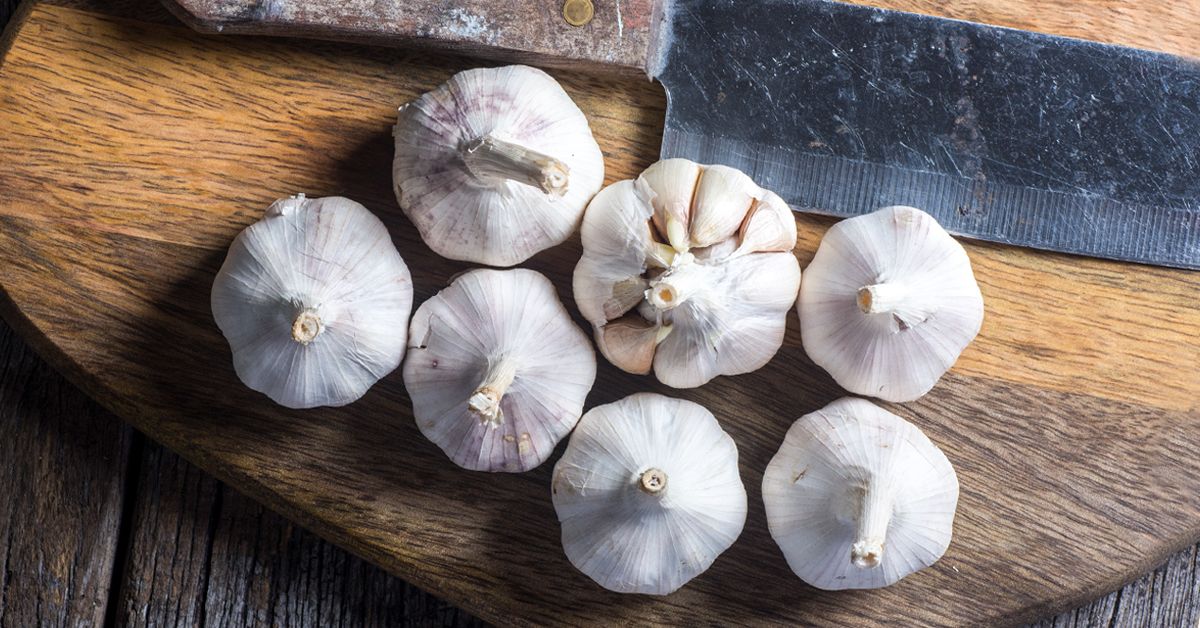
Several everyday household items are popular choices for managing warts. Apple cider vinegar, for instance, contains acetic acid, which functions similarly to salicylic acid by peeling away the affected skin. To use it safely, dilute the vinegar with water, apply it to a cotton ball, place it on the wart, and secure it with a bandage for a few hours. Garlic is another potent option due to allicin, a compound known for its antimicrobial properties. Applying crushed garlic mixed with water directly to the wart under a bandage may help resolve the growth over several weeks.
Other fruit-based remedies include banana peels, orange peels, and fresh pineapple. While scientific backing is limited, anecdotal evidence suggests that rubbing the inner side of a banana or orange peel on the wart daily can promote healing. Pineapple contains bromelain, a mixture of enzymes that digest proteins, which may help break down damaged skin tissue. Additionally, some traditional practices involve applying the juice of a raw potato or the natural white sap from a dandelion stem to dehydrate and clear the lesion.
Topical Solutions from the Medicine Cabinet
Over-the-counter products and vitamins also serve as accessible wart treatments. Salicylic acid is a standard dermatological treatment, and crushed aspirin tablets—which contain salicylic compounds—can be mixed with water to form a topical paste. Similarly, topical applications of vitamin C and vitamin E are believed to support skin healing and localized immune responses. Applying the oil from a punctured vitamin E capsule or a paste made from crushed vitamin C tablets overnight may assist in clearing the skin.
For protective barriers, some individuals use clear nail polish to cover the wart, which is thought to deprive the virus of oxygen, though scientific evidence is scarce. Natural extracts like tea tree oil and castor oil are also highly regarded for their anti-inflammatory and antimicrobial properties. Tea tree oil must always be diluted with a carrier oil, such as almond or castor oil, before application to prevent severe skin irritation. Bee propolis, a resinous substance produced by honeybees, is another natural option that can be applied directly under a bandage.
Duct tape remains one of the most widely discussed home remedies. The method involves covering the wart with a small piece of duct tape for several days, removing it to soak and gently exfoliate the area with a pumice stone, and repeating the cycle. While clinical studies on duct tape yield conflicting results, some evidence suggests it can be a practical alternative for certain types of warts.
Professional Medical Alternatives
When home remedies do not yield results, professional medical interventions offer reliable solutions. Dermatologists frequently utilize cryotherapy, which involves freezing the wart with liquid nitrogen. Another common clinical method is the application of cantharidin, a substance that causes a blister to form beneath the wart, allowing the doctor to remove the dead tissue during a follow-up visit.
For stubborn cases, minor surgical procedures such as electrosurgery, curettage, or laser therapy can target and destroy the infected tissue. Chemical peels utilizing prescription-strength salicylic or glycolic acid are also effective for gradual removal. For highly resistant warts, advanced therapies like immunotherapy or localized injections of specialized medications may be recommended to stimulate the body’s natural defenses.
Leave a Reply