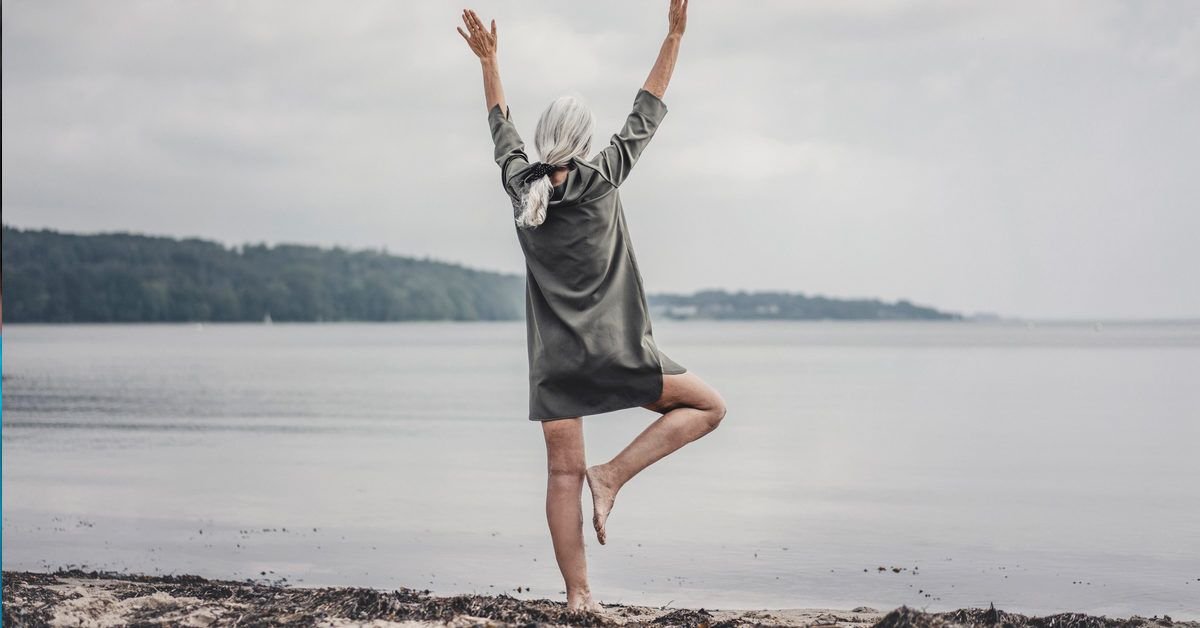
As the human body journeys through the decades, subtle physiological shifts inevitably occur. Sarcopenia, the natural age-related decline in skeletal muscle mass and strength, alters posture and mobility. Beyond muscular changes, joint flexibility narrows, reaction times lengthen, and the intricate sensory systems communicating spatial orientation to the brain—vision, inner ear vestibular function, and proprioception—become less acute. Together, these combined factors can diminish equilibrium, leaving older adults feeling less steady on their feet during daily activities.
Yet, loss of balance is far from an inevitable consequence of aging. The neuromusculoskeletal system retains a remarkable degree of neuroplasticity throughout life. Through targeted balance training, core strengthening, and neuromuscular re-education, older individuals can restore physical equilibrium. Building steady footing does more than lower fall risks; it protects personal independence, boosts confidence, and empowers individuals to navigate their surroundings with freedom.
Taking control of your stability does not demand intense exertion or specialized equipment. It relies on consistent, progressive movements designed to challenge the brain and body in safe, controlled ways. By integrating balance routines into daily life, older adults build lower-body resilience and refine spatial awareness. This deep-dive explores the biological mechanics of stability, evidence-backed benefits, and a step-by-step roadmap to lifelong mobility.
Understanding Balance: The Mechanics of Stability and Age-Related Changes
Human balance is a dynamic biological process relying on continuous real-time communication between three sensory systems: vision, vestibular sensation from the inner ear, and proprioceptors in muscles and joints. The central nervous system integrates these inputs, calculating micro-adjustments and sending motor commands to stabilizing muscle groups across the trunk and legs. When all systems work harmoniously, standing, walking, and turning feel effortless.
With age, natural structural changes alter this feedback loop. Reduced visual acuity makes detecting floor elevation changes harder. Inner ear structures lose sensory hair cells, diminishing vestibular sensitivity to movement. Peripheral nerves also conduct signals more slowly, while joint proprioceptors become less responsive. Combined with reduced power in the quadriceps, calves, and core, postural corrections become delayed, turning minor stumbles into potential falls.
Fortunately, neuromuscular adaptations occur when balance is intentionally challenged. Stability training demands focused motor control, prompting the brain and nervous system to form sharper neural connections. Targeted balance exercises reinforce stabilizing kinetic chains—from arch foot muscles to ankle stabilizers, hip abductors, and abdominal muscles. Regular practice makes these reflexive motor loops faster and more efficient, restoring confidence and physical control.
Evidence-Based Health Benefits of Balance and Stability Training
Extensive clinical research demonstrates that structured physical activity focusing on equilibrium yields profound physiological and psychological benefits for older adults, creating a vital protective buffer against unexpected injuries.
- Significant Reduction in Fall Risk: Clinical trials show that regular balance and lower-limb strengthening routines reduce fall rates in older adults by up to 40 percent.
- Enhanced Core and Lower-Body Strength: Exercises activate key stabilizers, including the gluteus medius, transverse abdominis, and calves, improving force production needed for climbing stairs.
- Improved Proprioception: Challenging stability sharpens signaling between peripheral mechanoreceptors and the brain, helping individuals sense body position without depending solely on visual cues.
- Preservation of Functional Independence: Strong balance allows older adults to perform essential daily tasks, such as shopping, bathing, and walking outdoors, without external assistance.
- Joint Protection and Pain Relief: Strengthening stabilizing tendons reduces joint wear in knees, hips, and the lower back, easing chronic discomfort from osteoarthritis.
- Increased Movement Confidence: Overcoming physical unsteadiness reduces fear of falling, encouraging individuals to remain socially engaged and physically active in their communities.
Additionally, balance training supports long-term cognitive health. Maintaining equilibrium requires real-time mental processing and concentration. By engaging the prefrontal cortex and cerebellum during movement, balance routines provide dual-task challenges that keep both brain and body resilient.
Actionable Guide: Core Balance Exercises for Daily Practice
To build a solid foundation, older adults should start with controlled stability exercises performed near a wall or sturdy chair. Focus on proper posture and smooth breathing over speed or high repetitions. Begin each exercise on your non-dominant side first to foster balanced motor skills across both sides of the body.
1. Weight Shifts (Lower-Body Grounding)
Stand tall with feet hip-width apart and weight evenly distributed. Slowly shift your weight over to your right foot, lifting your left foot slightly off the floor. Gaze at a fixed point ahead to stay steady. Hold for 15 to 30 seconds, then return to center and shift weight to the left foot. Repeat 3 times per side to activate calf and quadriceps stabilizers.
2. Single-Leg Rock the Boat
Stand with feet shoulder-width apart. Extend both arms straight out to the sides for counterbalance, or place hands on your hips. Lift your left foot off the ground, bending the knee so your heel moves back toward your glutes. Hold for 20 to 30 seconds with a level pelvis. Lower foot gently and switch sides. Complete 3 sets to strengthen hip abductors and deep core muscles.
3. Tightrope Tandem Walk
Stand in a clear hallway or next to a counter with arms extended sideways. Step forward, placing your left heel directly in front of your right toes, as if walking on a line. Pause for 2 to 3 seconds before taking the next step, keeping eyes focused forward. Walk 20 to 30 deliberate steps in a straight line to engage calves, quads, and trunk stabilizers.
4. Standing Knee Raises
Stand upright near a wall for safety, shifting weight onto your right leg. Slowly raise your left knee toward your chest until your thigh is parallel to the floor. Keep your spine erect without leaning back. Hold for 10 to 15 seconds, lower gently, and repeat on the opposite leg. Complete 3 total repetitions to build hip flexor and abdominal strength.
5. Supported Back Leg Extension
Place hands on a sturdy chair back or wall for support. Shift weight to your right leg with a slight bend in the knee. Slowly lift your straight left leg backward, squeezing your gluteal muscles without arching your lower back. Hold for 5 seconds at the top, then lower with control. Perform 2 to 3 sets of 10 repetitions per leg to strengthen posterior chain muscles.
Actionable Guide: Safety Guidelines, Progression, and Daily Integration
Safety is essential when starting balance routines at home. Clear exercise areas of loose throw rugs, clutter, and electrical cords. Wear supportive, closed-toe athletic shoes with non-slip soles, and ensure bright lighting. Working near a sturdy kitchen counter or heavy chair offers instant support whenever unsteadiness occurs.
Progress gradually as stability improves. First, decrease contact points—moving from two hands on a chair, to one hand, to a single fingertip, and finally no support. Second, narrow your stance during standing drills. Third, add gentle head turns or temporarily close one eye to challenge spatial processing. Eventually, practice on cushioned surfaces like a foam mat to increase sensory demands on foot stabilizers.
Integrate balance practice into daily routines effortlessly. Practice weight shifts while brushing teeth, hold single-leg poses while waiting for water to boil, or perform leg extensions during television breaks. Spending 10 to 15 minutes daily delivers noticeable gains in posture, balance, and overall vitality.
Frequently Asked Questions About Balance Training
How often should older adults perform balance exercises to see results?
For optimal results, practice balance exercises 3 to 5 days per week, although brief daily sessions are highly effective. Unlike high-intensity workouts requiring extended muscle recovery, stability training relies on frequent practice to reinforce neural pathways and motor learning. Short 10- to 15-minute sessions produce measurable improvements in stability and walking confidence within 4 to 8 weeks.
Is it better to practice balance training barefoot or with shoes?
Both methods offer distinct benefits depending on individual needs. Exercising barefoot on a clean, non-slip surface allows feet sensory receptors to interact directly with the floor, strengthening foot arches and improving proprioception. However, individuals with foot deformities, neuropathy, or severe balance challenges should wear supportive athletic shoes with rubber soles for stability and protection. Beginners should start with shoes before trying barefoot exercises.
What should I do if I experience dizziness during an exercise?
If you feel dizzy or lightheaded, immediately stop exercising and sit safely in a firm chair. Ensure you maintain steady breathing, as holding your breath can cause temporary blood pressure fluctuations that trigger faintness. If dizziness persists, recurs frequently, or is accompanied by chest discomfort or severe unsteadiness, consult your doctor or a physical therapist for an evaluation before resuming training.
Final Takeaway: Embracing Lifelong Strength and Independence
Age-related changes in muscle strength and spatial balance are natural biological processes, but they do not have to diminish your quality of life. Through consistent balance and functional strength exercises, older adults can sharpen equilibrium, protect against accidental falls, and preserve physical independence for years ahead. Daily investments in stability yield massive returns in freedom and confidence, allowing you to move through life with ease.
Empowerment begins with simple daily movements. By practicing weight shifts, tandem walking, and leg extensions, you actively construct a resilient body capable of meeting life’s daily demands. Embrace these accessible habits, listen to your body, and celebrate every step toward steady mobility and enduring physical well-being.
Leave a Reply