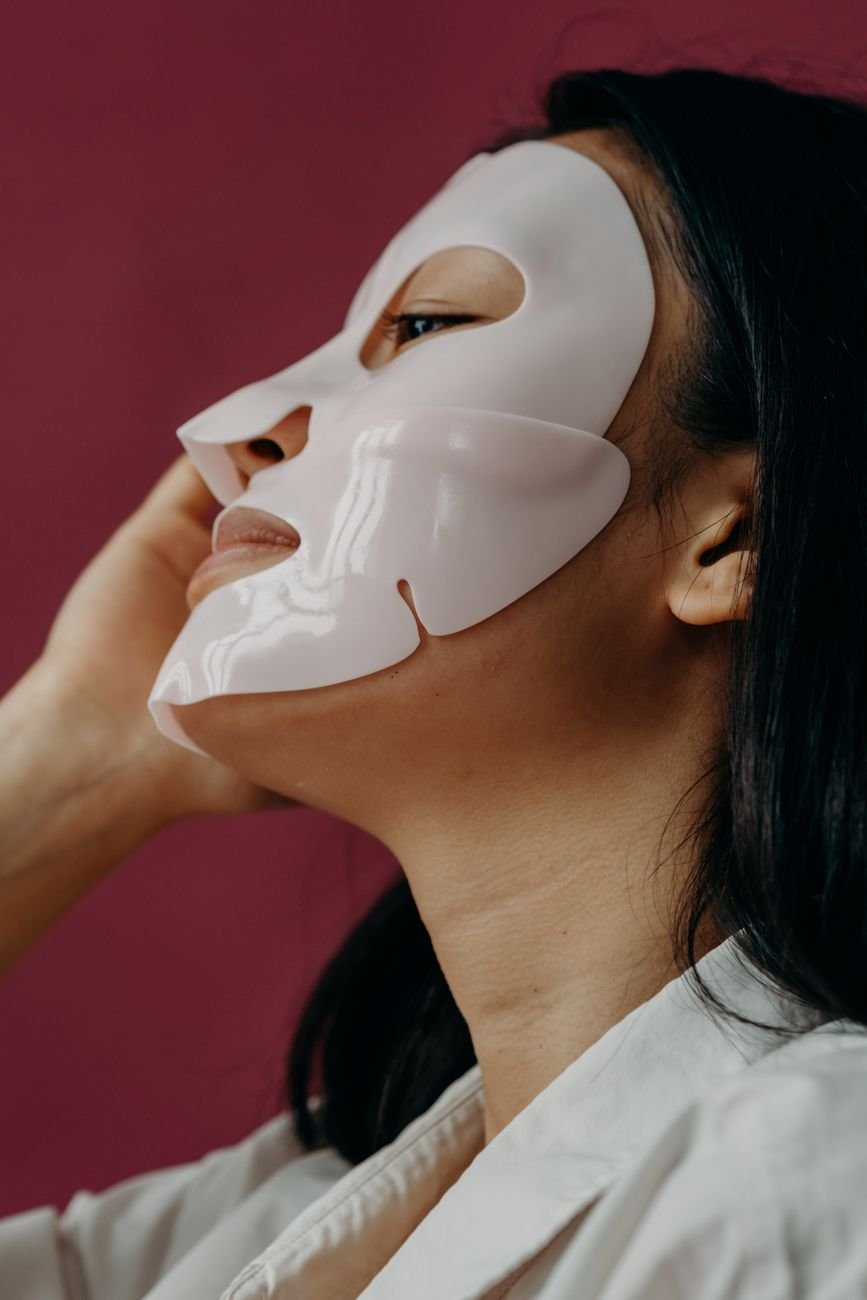
Skin elasticity is a key indicator of youthful and healthy skin. As we age, or due to various environmental factors, our skin can lose its natural ability to bounce back, leading to sagging and wrinkles. Fortunately, several methods can help improve or restore skin elasticity and enhance its overall appearance.
Collagen Supplements
Collagen is a vital protein found in the skin’s connective tissues. Oral hydrolyzed collagen can be absorbed and delivered to the skin, effectively improving skin elasticity and hydration, and reducing the appearance of wrinkles. Topical collagen supplements, when applied directly to the skin, have also shown promising results in enhancing skin firmness.
Retinol and Retinoids
Retinol, a form of vitamin A, is commonly found in over-the-counter skincare products. While less potent than prescription retinoids, it is used for its skin-renewing properties with fewer side effects. Prescription retinoids, such as tretinoin, are known to significantly boost collagen production in the skin and are highly effective in reducing and reversing the effects of sun damage (photoaging).
Hyaluronic Acid
Hyaluronic acid is a naturally occurring substance in the skin’s connective tissue, crucial for maintaining moisture and lubrication. Exposure to UV rays and the natural aging process can deplete its levels. Incorporating serums or creams fortified with hyaluronic acid, or taking supplements, can help the skin regain its natural elasticity and hydration.
Genistein
Genistein, a derivative of soy, is a phytoestrogen that mimics estrogen’s effects in the body. A diet rich in genistein has been shown to improve skin elasticity. It may also offer benefits when applied topically, though further research is ongoing to fully understand its applications in skincare.
Hormone Therapy
Various types of hormone therapy can benefit skin elasticity loss associated with aging and menopause. These include transdermal estrogen, transdermal estrogen combined with vaginal progesterone, and oral estrogen combined with vaginal progesterone. While a helpful option for some, hormone therapy is not suitable for everyone.
Witch Hazel Extract
Witch hazel, particularly Hamamelis virginiana extract, is a common ingredient in skincare products. It has been found to be effective in correcting elastosis, reducing wrinkles, and increasing overall skin firmness, making it a valuable component for improving skin texture.
Cocoa Flavanols
For those who enjoy dark chocolate, cocoa flavanols offer a delightful way to potentially improve skin elasticity. Daily intake of cocoa flavanols, natural compounds found in the cacao bean, has been linked to improved skin elasticity and reduced wrinkles. To maximize benefits, look for chocolate with high levels of cocoa flavanols, typically around 320 milligrams.
Laser Treatments
Healthcare professionals utilize various laser therapies to address skin concerns. Combining techniques like non-ablative fractional laser (NAFL) and intense pulsed light therapy (IPL) can positively impact skin tone, stimulate new collagen production, and significantly increase skin elasticity. Fractional lasers have also shown positive results in improving skin quality.
Dexpanthenol (Panthoderm) Cream
Dexpanthenol, also known as pantothenic acid, is a medicated moisturizer often used to treat rough, scaly, or dry skin. It has been found to be beneficial in preserving skin elasticity, contributing to a smoother and more resilient complexion.
Chemical Peels
Dermatologists perform chemical peels to resurface and revitalize the skin. While light peels generally do not affect the deeper dermis layer, medium and deep chemical peels can effectively reduce elastosis, diminish the effects of photoaging, and boost collagen production, leading to improved elasticity. The appropriate type of peel is determined in consultation with a dermatologist.
Dermabrasion
Dermabrasion is a deep exfoliation technique performed by a dermatologist, typically on the face, to remove the outer layers of skin. This process stimulates collagen production, which is crucial for enhancing skin elasticity and achieving a smoother skin texture.
Platelet-Rich Plasma (PRP) Injection
Injecting platelet-rich plasma (PRP) directly into specific areas, such as the lower eyelid, has been shown to reduce actinic elastosis. This minimally invasive procedure often requires several injections over a few months and is generally considered pain-free, offering a targeted approach to improving localized skin elasticity.
Body-Contouring Surgery
Significant weight loss, especially 100 pounds or more, can result in excess, loose skin that struggles to regain its original elasticity. In such cases, doctors can surgically remove skin, commonly from the stomach, arms, or thighs, to restore a more contoured appearance and improve skin elasticity. Some non-surgical body contouring techniques are also associated with enhanced skin firmness.
Leave a Reply