Kidney stones can be a painful experience, but certain home remedies may assist in their passage and help prevent new ones from forming. These remedies often include increased fluid intake and specific natural ingredients like apple cider vinegar. However, it is crucial to seek medical attention if you experience severe symptoms such as intense pain or fever.
Maintaining adequate hydration is a cornerstone of both passing existing kidney stones and preventing future formations. Fluids not only help flush toxins from the body but also facilitate the movement of stones and sediment through the urinary tract.
While plain water is often sufficient, incorporating certain ingredients can offer additional benefits. Always follow any flavored remedy with an 8-ounce glass of water to help distribute the ingredients throughout your system.
Before attempting any home remedies, consult with your doctor. They can assess whether home treatment is appropriate for your specific condition or if it could lead to further complications. Pregnant or breastfeeding individuals should avoid using any remedies without medical guidance, as some ingredients may pose risks to them or their baby.
1. Water
When dealing with a kidney stone, significantly increasing your water intake can accelerate the passage process. Aim for 12 glasses of water per day, rather than the standard 8. After the stone has passed, continue to drink 8 to 12 glasses daily. Dehydration is a primary risk factor for kidney stone formation, and consistent hydration is key to prevention.
Monitor your urine color; it should be very clear or pale yellow. Dark yellow urine indicates dehydration and a need for more fluids.
2. Lemon Juice
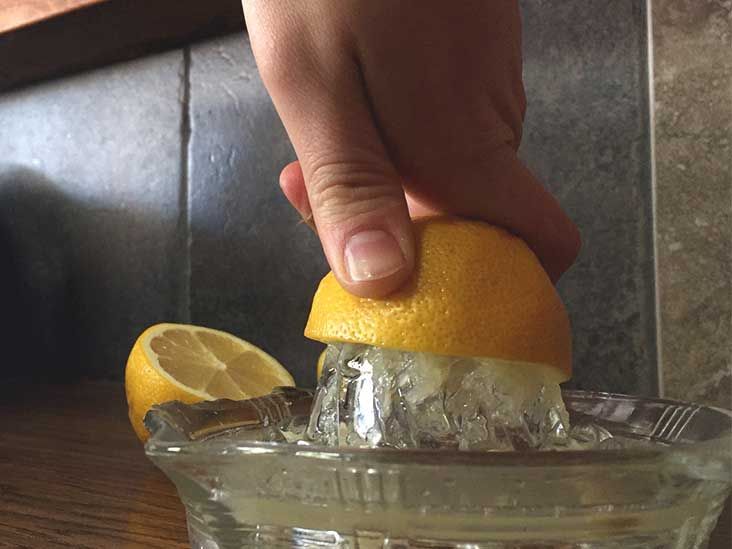
Adding freshly squeezed lemon juice to your water throughout the day can be beneficial. Lemons contain citrate, a chemical that helps prevent the formation of calcium stones. Citrate may also aid in breaking down smaller stones, making them easier to pass. While a large quantity of lemons would be needed for a significant effect, even a small amount can contribute positively.
Lemon juice offers other health benefits, including inhibiting bacterial growth and providing vitamin C.
3. Basil Juice
Basil contains acetic acid, which is believed to help break down kidney stones and alleviate pain. It is also rich in nutrients and has been traditionally used for digestive and inflammatory conditions. Basil juice provides antioxidants and anti-inflammatory agents that can support overall kidney health.
To prepare, use fresh or dried basil leaves to make a tea, drinking several cups daily. Alternatively, you can juice fresh basil or add it to a smoothie. Avoid using medicinal basil juice for more than six weeks at a time, as prolonged use may lead to low blood sugar, low blood pressure, or increased bleeding. Research on basil’s effectiveness for kidney stones is limited, but its antioxidant and anti-inflammatory properties are recognized.
4. Apple Cider Vinegar
Apple cider vinegar contains acetic acid, which is thought to help dissolve kidney stones. Beyond its potential role in kidney cleansing, apple cider vinegar may also help reduce the pain associated with stones. It offers numerous other health benefits.
A laboratory study suggested that apple cider vinegar could reduce kidney stone formation, though more research is needed. Given its other health advantages, the risks are generally considered minimal. To use, mix 2 tablespoons of apple cider vinegar with 6 to 8 ounces of purified water and drink this mixture throughout the day. Do not exceed one 8-ounce glass of this mixture daily. It can also be used in salads or salad dressings.
Consuming large quantities of apple cider vinegar may lead to low potassium levels and osteoporosis. Individuals with diabetes should exercise caution and closely monitor their blood sugar levels when using this remedy. Avoid this mixture if you are taking insulin, digoxin (Digox), or diuretics like spironolactone (Aldactone).
5. Celery Juice
Celery juice is believed to eliminate toxins that contribute to kidney stone formation and has a long history of use in traditional medicine. It may also help prepare the body for stone passage.
Blend one or more celery stalks with water and drink the juice throughout the day. Do not consume this mixture if you have a bleeding disorder, low blood pressure, or scheduled surgery. It should also be avoided if you are taking levothyroxine (Synthroid), lithium (Lithane), medications that increase sun sensitivity (such as isotretinoin), or sedative medications (like alprazolam).
6. Pomegranate Juice
Pomegranate juice has been used for centuries to enhance overall kidney function, helping to expel stones and other toxins. Rich in antioxidants, it supports healthy kidneys and may play a role in preventing stone development. It also helps decrease urine acidity, which can reduce the risk of future stone formation.
While the full effect of pomegranate juice on kidney stone prevention requires further study, there appears to be some benefit from pomegranate extract in reducing stone risk. There is no specific limit on the amount of pomegranate juice you can drink daily. However, avoid it if you are taking liver-modified medications, blood pressure medications (such as chlorothiazide), or rosuvastatin (Crestor).
7. Kidney Bean Broth
Broth made from cooked kidney beans is a traditional remedy, often used in India, to improve overall urinary and kidney health. It is believed to help dissolve and expel stones. Simply strain the liquid from cooked kidney beans and drink several glasses throughout the day.
Other Natural Remedies
The following home remedies may involve ingredients less common in a typical kitchen but can often be found at health food stores or online.
8. Dandelion Root Juice
Dandelion root acts as a kidney tonic, stimulating bile production, which is thought to aid in waste removal, increase urine output, and improve digestion. Dandelion contains vitamins (A, B, C, D) and minerals such as potassium, iron, and zinc. Research has indicated its effectiveness in preventing kidney stone formation.
You can prepare fresh dandelion juice or purchase it as a tea. If making it fresh, you can add orange peel, ginger, and apple for flavor. Drink 3 to 4 cups throughout the day. Some individuals may experience heartburn when consuming dandelion or its parts.
Do not drink this mixture if you are taking anticoagulants, antacids, antibiotics, lithium, or diuretics like spironolactone (Aldactone). Always consult your doctor before taking dandelion root extract, as it can interact with many medications.
9. Wheatgrass Juice
Wheatgrass is packed with nutrients and has long been used to promote overall health. It increases urine flow, which helps in expelling stones, and contains vital nutrients that support kidney cleansing.
You can drink 2 to 8 ounces of wheatgrass juice daily. To minimize side effects, start with the smallest amount and gradually increase to 8 ounces. If fresh wheatgrass juice is unavailable, powdered wheatgrass supplements can be taken as directed on the product. Consuming wheatgrass on an empty stomach may reduce the risk of nausea. In some cases, it can cause appetite loss and constipation.
10. Horsetail Juice
Horsetail has been used to increase urine flow, aiding in the expulsion of kidney stones, and may soothe swelling and inflammation. It also possesses antibacterial and antioxidant properties that contribute to overall urinary health.
However, horsetail should not be used for more than six weeks at a time due to risks of seizures, reduced B vitamin levels, and potassium loss. Avoid horsetail if you are taking lithium, diuretics, or heart medications like digoxin. Horsetail is not recommended for children, pregnant, or breastfeeding women. As it contains nicotine, it should not be taken if you are using a nicotine patch or trying to quit smoking.
Additionally, do not drink horsetail juice if you have an alcohol use disorder, diabetes, low potassium levels, or low thiamine levels.
When to Consult Your Doctor
Consult your doctor if a kidney stone does not pass within six weeks or if you begin to experience severe symptoms, including:
- Intense pain
- Blood in your urine
- Fever
- Chills
- Nausea
- Vomiting
Your doctor can determine if medication or other therapies are necessary to help you pass the stone.
Conclusion
While uncomfortable, it is often possible to pass a kidney stone at home. Over-the-counter pain relievers such as acetaminophen, ibuprofen, or naproxen can help manage discomfort. Continue treatment until the stone has passed, and avoid alcohol.
Once the stone is expelled, you may wish to collect it for your doctor to analyze. This can be done by straining your urine using a urine mesh, which your doctor can provide. Analysis helps determine the stone type and allows for a targeted prevention plan.
These remedies can be incorporated into your routine and continued even after a stone has passed to help prevent future formations. Always discuss any medications or herbal remedies with your doctor. It is important to note that the quality and purity of herbal supplements are not regulated, so research your options and sources carefully. Recent analyses of various kidney health supplements have shown that many contain ingredients without sufficient research to support their use.
Leave a Reply