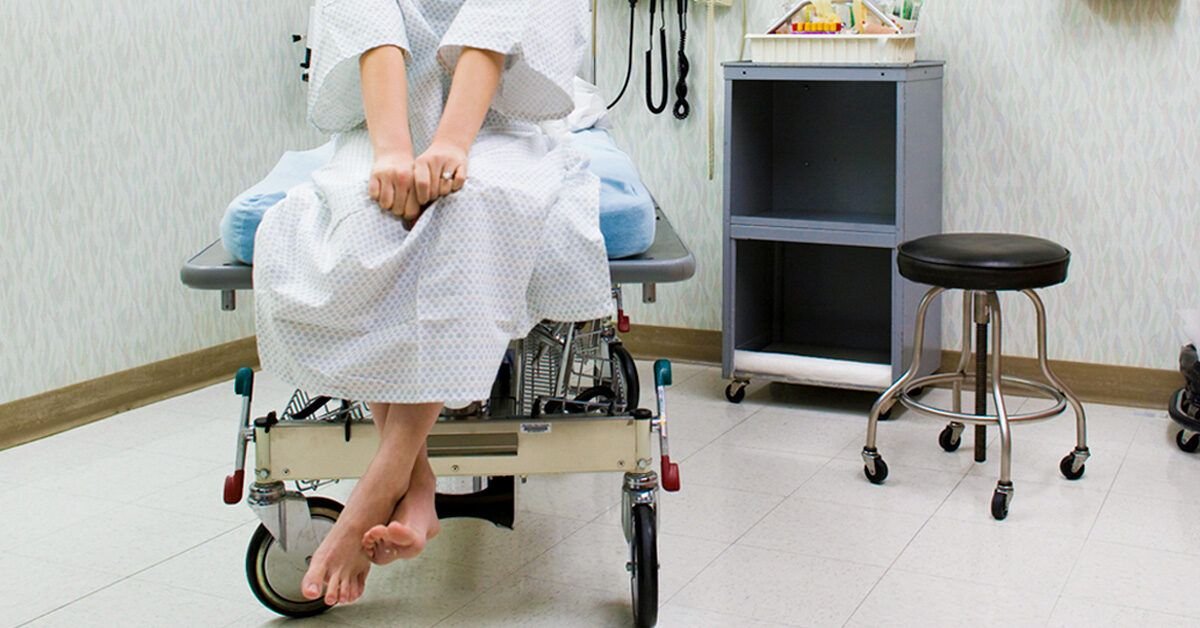
When navigating routine preventive care, many individuals assume that a comprehensive well-woman exam or pelvic checkup automatically covers all aspects of sexual health, including screening for human immunodeficiency virus (HIV). This assumption is understandable. Gynecological appointments often feel like an all-inclusive evaluation where multiple physical exams and biological samples are collected. However, confusing a Pap smear with a broad sexually transmitted infection (STI) screening panel is one of the most frequent misconceptions in preventive healthcare.
A Pap smear, or Pap test, is a specialized cytological screening procedure engineered for a single primary goal: identifying abnormal, dysplastic cell changes occurring on the cervix. While both cervical cancer and HIV are linked to sexual health and viral exposure, their biological mechanisms, targeted tissue, sample collection methodologies, and laboratory diagnostic techniques are fundamentally distinct. A standard Pap smear does not test for HIV, nor does it screen for common STIs like chlamydia, gonorrhea, or syphilis unless dedicated diagnostic assays are explicitly requested.
Understanding precisely what your routine laboratory tests evaluate is essential for taking proactive control of your long-term wellness. Relying on a routine cervical screening to confirm your HIV status creates a dangerous gap in your preventive care. By examining how Pap smears work, how HIV screenings operate, and how these two vital aspects of reproductive health intersect, you can advocate more effectively for yourself during medical consultations.
What It Is & How It Works: Demystifying Cervical Cytology and HIV Screening
To understand why a Pap smear cannot detect HIV, it helps to examine the biological pathways involved in both procedures. Introduced in the mid-20th century, the Pap smear focuses exclusively on the cervix—the narrow tissue forming the lower portion of the uterus connecting to the vaginal canal. During a Pap exam, a clinician uses a speculum to visualize the cervix and gently scrapes or brushes cells from the transformation zone. This area is where squamous and columnar cells meet and where dysplastic changes most frequently begin. These collected tissue samples are placed in a liquid medium for detailed evaluation by a pathologist. The goal is assessing cellular morphology to spot abnormal structural changes caused almost universally by persistent infection with high-risk human papillomavirus (HPV) strains.
In contrast, HIV is a systemic retrovirus that infects the circulatory and immune systems rather than altering cervical surface tissue. Specifically, HIV targets CD4+ T-lymphocytes, crucial white blood cells responsible for orchestrating immune responses. Because HIV multiplies within systemic blood circulation and lymphatic tissues, microscopic review of cervical cells cannot detect the virus. Diagnosing HIV requires specialized laboratory technology capable of detecting circulating viral genetic material (HIV RNA), viral proteins (such as p24 antigens), or antibodies generated by your immune system. These distinct biomarkers require samples of whole blood or oral fluid rather than cervical scrapings. While a Pap smear evaluates localized cellular transformation, an HIV test evaluates systemic immune markers, making them completely independent diagnostic modalities.
Key Benefits, Symptoms, or Evidence: Connecting Cervical Health and Immune Function
Although a Pap smear cannot detect HIV, there is a crucial clinical intersection between human papillomavirus, cervical tissue health, and systemic immune strength. Medical evidence shows that a healthy immune system is vital for clearing oncogenic viral strains like high-risk HPV before they cause lasting cellular damage. Key clinical findings highlighting this connection include:
- Early Intervention for Cervical Dysplasia: Regular Pap smears identify low-grade and high-grade squamous intraepithelial lesions long before they progress to invasive cervical cancer, allowing for successful outpatient treatment in over 90% of cases.
- Enhanced Screening via HPV Co-Testing: Combining cervical cytology with molecular high-risk HPV DNA testing increases diagnostic accuracy, allowing low-risk individuals to safely extend screening intervals to five years.
- Increased Dysplasia Progression in Immunocompromised Patients: Because HIV weakens cell-mediated immunity, individuals living with untreated HIV are far less capable of clearing HPV infections naturally, accelerating the progression from dysplasia to advanced neoplasia.
- Elevated Invasive Cervical Cancer Risk: Studies demonstrate that women living with HIV face up to a sixfold higher risk of developing invasive cervical cancer compared to HIV-negative individuals.
- Distinct Specimen Requirements: Recognizing that cervical cytology relies on tissue scraping while HIV detection requires blood or salivary assays prevents patients from assuming a clear Pap result implies a negative STI status.
Understanding these biological connections demonstrates why immune health and reproductive health cannot be viewed in isolation. When systemic immunity is compromised by an unmanaged viral infection like HIV, cellular changes on the cervix advance far more rapidly. Therefore, while a Pap smear will never provide an HIV diagnosis, an abnormal cytology report should serve as a prompt to evaluate overall immune health and discuss comprehensive sexual health screening with your medical provider.
Practical Actionable Guide: Designing a Complete Screening Protocol
Taking charge of your reproductive health means actively managing your screening schedules rather than assuming routine appointments cover every potential health concern. Clinical guidelines established by public health organizations provide a strong framework for routine care, but individual medical histories and lifestyle factors dictate the exact schedule you should follow.
For cervical cancer screening, evidence-based guidelines recommend that individuals with a cervix begin receiving Pap smears at age 21. Between ages 21 and 29, routine cervical cytology alone is recommended every three years, provided results are normal. Between ages 30 and 65, individuals can choose a Pap smear every three years, high-risk HPV DNA testing alone every five years, or a combined Pap and HPV co-test every five years. However, if you have a history of precancerous lesions, live with HIV, or have a compromised immune system, your clinician will prescribe a more frequent monitoring schedule, often involving annual cervical exams regardless of age.
To bridge the gap between cervical screening and STI detection, communicate actively with your healthcare team. Before your appointment, compile a checklist of tests you wish to receive. Explicitly ask your provider if your visit includes a full STI panel, including a blood test for HIV, to eliminate ambiguity and ensure both blood-borne pathogens and localized cellular changes are thoroughly evaluated.
Practical Actionable Guide: Modern HIV Testing Options and Window Periods
If you decide to undergo HIV screening—which public health authorities recommend at least once for everyone between ages 13 and 64—it is vital to understand the modern testing options available and how timing impacts accuracy. Contemporary HIV diagnostics are precise, fast, and accessible through clinics, community centers, and at-home kits.
Laboratory-based fourth-generation antigen/antibody combination tests represent the gold standard for clinical HIV screening. Administered via a standard blood draw from a vein, these assays look for both HIV antibodies and p24 antigens. Because p24 antigens appear before antibodies develop, fourth-generation blood tests can detect HIV within 18 to 45 days following exposure. For urgent diagnostic scenarios, nucleic acid tests (NATs) measure viral RNA directly in plasma, detecting the virus within 10 to 33 days after exposure.
Rapid HIV tests and FDA-approved home screening kits offer reliable alternatives. Rapid oral fluid tests evaluate antibodies present in oral secretions within 20 to 30 minutes, with a window period of up to 90 days. Finger-prick home collection kits allow you to mail blood spot samples to a certified laboratory for high-sensitivity testing. Understanding these window periods is essential: testing too quickly after potential exposure may produce inconclusive negative results, requiring follow-up testing later.
Frequently Asked Questions
Does an abnormal Pap smear mean I have a sexually transmitted infection?
Not necessarily. An abnormal Pap smear simply indicates that atypical cells were detected on your cervix. While most persistent cervical cell abnormalities stem from high-risk Human Papillomavirus (HPV) strains—a common sexually transmitted virus—an abnormal result is not a direct test for other STIs. Non-viral factors like localized inflammation, yeast infections, bacterial vaginosis, or hormonal shifts during menopause can also trigger abnormal results. An abnormal Pap smear does not mean you have HIV, chlamydia, or gonorrhea. If your Pap result is abnormal, your doctor will order follow-up testing, such as an HPV DNA assay, colposcopy, or biopsy, to determine the exact cause.
How often should individuals living with HIV receive a Pap smear?
Because HIV weakens the immune system, individuals living with HIV face elevated risks for persistent high-risk HPV infections and rapid dysplasia progression. Clinical guidelines recommend that individuals with a cervix undergo a baseline Pap smear upon receiving an HIV diagnosis. If normal, a repeat Pap smear is recommended 12 months later. If consecutive annual results remain normal, screening can transition to every three years. However, if cellular abnormalities are detected, prompt follow-up with colposcopy is standard protocol.
Can I ask my healthcare provider to add an HIV test during my Pap smear exam?
Yes, you can easily request an HIV screening during the same appointment as your Pap smear, but you must ask explicitly. While collecting cervical cells for a Pap smear, your clinician can collect additional vaginal swabs for STIs like chlamydia and gonorrhea. However, because HIV screening requires blood or oral fluid, your provider must order a separate blood draw or rapid swab. Adding HIV screening to your visit takes minimal extra time while offering peace of mind.
Conclusion
Navigating reproductive healthcare effectively requires clear knowledge of what individual medical tests accomplish. While the Pap smear remains one of the most successful preventive cancer screenings in modern medicine, its biological scope is strictly limited to evaluating cervical cell morphology and identifying precancerous changes driven primarily by HPV. It does not screen for HIV, a systemic viral infection that targets immune cells and requires targeted blood or oral fluid testing for accurate diagnosis.
By taking an active role in your medical care, you can bridge the gap between routine cancer surveillance and complete STI protection. Explicitly ask your healthcare team for HIV screening and complete STI panels alongside your routine Pap smears. Combining regular cervical cytology with proactive HIV testing empowers you to safeguard your reproductive system, protect your immune health, and maintain total control over your long-term well-being.
Leave a Reply