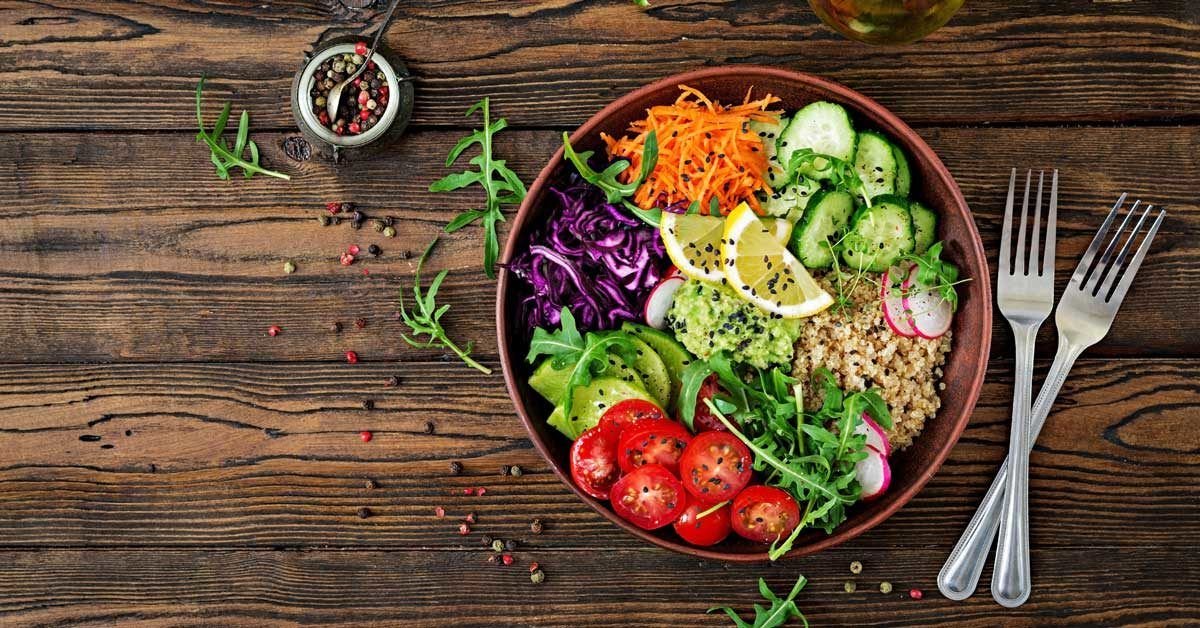
In recent years, dietary patterns centered around plant-derived foods have transitioned from a niche lifestyle choice into a mainstream nutritional strategy. Millions of people across the globe are reducing or entirely eliminating animal products from their daily meals. While ethical concerns regarding animal welfare and environmental sustainability frequently motivate this shift, a robust body of scientific literature highlights another persuasive argument: a well-planned vegetarian eating pattern offers profound, long-term health benefits.
Adopting a vegetarian lifestyle is not merely about removing meat from your plate; it involves a fundamental restructuring of how you nourish your body. By replacing nutrient-poor processed foods and heavy saturated fats with vibrant vegetables, whole grains, legumes, nuts, and seeds, individuals often experience dramatic improvements in energy, metabolic balance, and systemic vitality. However, successfully transitioning requires deliberate planning to ensure all macro- and micronutrient requirements are consistently met.
Whether you are looking to shed excess weight, optimize your cardiovascular health, support stable blood sugar levels, or simply diversify your culinary repertoire, entering the world of plant-based eating can be transformative. This comprehensive guide breaks down the core principles of the vegetarian diet, examines its evidence-based physiological advantages, and offers actionable strategies to help you navigate your journey with confidence and ease.
Understanding the Vegetarian Diet and How It Works
At its core, a vegetarian diet is defined by the deliberate exclusion of meat, poultry, seafood, and fish. However, vegetarianism is far from a monolithic regimen. It exists along a broad spectrum, allowing individuals to customize their dietary preferences based on personal comfort, cultural background, and nutritional goals. The mechanics of the diet rely on shifting primary metabolic fuel sources from animal proteins and fats to carbohydrate-rich legumes, fiber-dense vegetables, intact grains, and plant-derived unsaturated lipids.
The most common variations of the vegetarian dietary framework include:
The lacto-ovo-vegetarian pattern remains the most prevalent in Western countries, eliminating flesh foods while retaining dairy products and eggs. Lacto-vegetarians consume dairy but avoid eggs, whereas ovo-vegetarians include eggs while abstaining from dairy. Meanwhile, pescetarians abstain from land animals but incorporate fish and shellfish. Flexitarians practice a semi-vegetarian approach, eating predominantly plant foods while allowing occasional portions of animal protein. Finally, vegans follow a strict plant-only model, eliminating all animal derivatives, including honey and gelatin.
When you transition to a plant-centric model, your digestive tract undergoes a substantial recalibration. The marked increase in dietary fiber alters gut motility, enhances gastric satiety, and fosters a distinct, beneficial gut microbiome. Furthermore, replacing dense saturated animal fats with plant-derived unsaturated lipids reduces circulating biological markers of inflammation and optimizes lipid metabolism across cellular systems.
Evidence-Based Health Benefits of a Vegetarian Lifestyle
Extensive clinical research confirms that well-balanced plant-based eating patterns foster robust multi-system health. Individuals who consistently adhere to high-quality vegetarian diets frequently exhibit superior dietary intake profiles, consuming markedly higher amounts of dietary fiber, essential vitamins like C and E, magnesium, and antioxidant phytochemicals compared to omnivorous populations.
- Enhanced Weight Management: Plant-rich diets are naturally lower in caloric density and higher in dietary fiber. Fiber slows gastric emptying, promotes long-lasting satiety, and stabilizes hunger hormones, leading to sustainable fat loss without severe caloric restriction.
- Improved Glycemic Control: High fiber consumption coupled with complex carbohydrates enhances peripheral insulin sensitivity, helping stabilize blood glucose levels and dramatically lowering the long-term risk of developing metabolic disease.
- Cardiovascular Protection: Eliminating processed animal meats substantially reduces dietary cholesterol and saturated fat. This shift results in lower circulating low-density lipoprotein (LDL) cholesterol, optimized blood pressure, and decreased vascular systemic inflammation.
- Reduced Cancer Susceptibility: Abundant intake of fresh vegetables, fruits, and legumes delivers high concentrations of polyphenols and antioxidants that neutralize free radicals, mitigating cellular damage linked to gastrointestinal and hormone-related malignancies.
- Optimized Gut Microbiome: Diverse plant fibers serve as prebiotics that nourish beneficial gut bacteria. A thriving microbiome produces short-chain fatty acids like butyrate, which support intestinal barrier integrity and modulate systemic immune health.
The systemic impact of these physiological changes cannot be overstated. When saturated fat and dietary toxins are replaced by plant compounds, endothelial cells lining the blood vessels function more efficiently. This promotes arterial elasticity and drastically reduces plaque accumulation over decades of life.
Moreover, the metabolic ease provided by complex carbohydrates and lean plant proteins reduces oxidative stress within mitochondria. This biochemical shift helps prevent early cellular aging and lowers the cumulative systemic wear-and-tear associated with chronic Western lifestyle diseases.
Practical Guide: How to Build a Balanced Vegetarian Meal Strategy
Transitioning to a vegetarian diet requires a thoughtful approach to ensure long-term sustainability and nutritional adequacy. Simply removing meat from a standard diet often leads to over-reliance on refined carbohydrates, such as white bread, pasta, and processed snacks. Instead, a successful plant-based strategy centers on whole, nutrient-dense foods that offer a harmony of protein, complex carbohydrates, healthy fats, and vital micronutrients.
To build a balanced plate, allocate roughly half of your meal to non-starchy vegetables and leafy greens, such as spinach, broccoli, kale, peppers, and cauliflower. Fill one-quarter of your plate with high-quality plant proteins like lentils, chickpeas, black beans, edamame, organic tofu, or tempeh. Reserve the remaining quarter for intact whole grains like quinoa, farro, brown rice, or oats. Finish your meal with a serving of healthy plant fats, such as extra virgin olive oil, smashed avocado, pumpkin seeds, or raw walnuts.
Structuring a daily meal cadence becomes effortless once you master core combinations. For breakfast, consider a bowl of steel-cut oats topped with ground flaxseeds, chia seeds, fresh berries, and a handful of almonds, or a savory scrambled tofu dish packed with spinach and tomatoes. Lunches can revolve around vibrant grain bowls, Mediterranean chickpea salads, or lentil soups paired with whole-grain crusty bread. For dinner, explore vegetable-rich curries with tofu, black bean and sweet potato tacos, or whole-wheat pasta tossed with white beans, garlic, and sautéed greens.
Practical Guide: Overcoming Common Nutritional Gaps and Challenges
While a vegetarian diet provides exceptional health protection, eliminating animal products introduces potential nutritional blind spots that demand proactive strategy. The primary micronutrient of concern is Vitamin B12, which is synthesized by microorganisms and absent in unfortified plant foods. Vegetarians who abstain completely from animal products must obtain B12 through fortified foods, such as nutritional yeast and plant milks, or a daily high-quality supplement to prevent neurological complications and anemia.
Iron intake is another crucial consideration. Plant foods contain non-heme iron, which is absorbed less readily by the human body than the heme iron found in animal flesh. To optimize iron status, eat iron-rich foods—such as lentils, pumpkin seeds, dark leafy greens, and dark chocolate—alongside foods rich in Vitamin C, such as citrus fruits, bell peppers, and strawberries. Vitamin C dramatically increases non-heme iron bioavailability in the digestive tract. Conversely, avoid drinking coffee or tea alongside iron-dense meals, as polyphenols in these beverages inhibit absorption.
Omega-3 fatty acids, specifically EPA and DHA, play essential roles in cardiovascular and neurological health. While plant sources like walnuts, flaxseeds, and chia seeds provide alpha-linolenic acid (ALA), the body converts ALA into EPA and DHA at low rates. Incorporating microalgae-based supplements offers a direct, ocean-friendly plant source of pure EPA and DHA. Finally, ensure adequate intake of zinc and calcium by consuming fortified dairy alternatives, sesame seeds, tahini, almonds, and fermented soy products regularly.
Frequently Asked Questions
How can vegetarians ensure they are getting sufficient daily protein?
Obtaining adequate protein on a vegetarian diet is straightforward if you consume a varied, caloric-sufficient diet. Excellent plant sources include lentils, chickpeas, black beans, hemp seeds, quinoa, chia seeds, organic tofu, tempeh, seitan, eggs, and Greek yogurt. By combining diverse protein sources throughout the day, your body easily gathers all essential amino acids necessary for muscle repair, enzyme production, and immune function.
Are dietary supplements strictly necessary on a vegetarian eating plan?
Supplements are not mandatory for every individual, but they serve as a valuable insurance policy depending on your chosen vegetarian variation. Strict vegetarians and vegans must supplement with Vitamin B12. Individuals living in northern latitudes or with minimal sun exposure should supplement with Vitamin D3. An algal-based Omega-3 supplement is also recommended for those who do not eat fish, while iron supplements should only be used under medical supervision based on blood work.
Is a plant-based vegetarian diet suitable for all stages of life?
Yes, major international dietetic associations confirm that appropriately planned vegetarian diets are nutritionally adequate, healthy, and safe for individuals across all life stages. This includes pregnancy, lactation, infancy, childhood, adolescence, older adulthood, and for competitive athletes. The key factor at any stage of life is ensuring sufficient overall energy intake alongside adequate levels of essential nutrients like protein, iron, calcium, Vitamin B12, and Vitamin D.
Final Takeaway: Sustaining Your Transition to Plant-Based Eating
Embracing a vegetarian diet is one of the most effective personal health choices you can make. By centering your daily meals on nutrient-dense plant foods, you equip your body with an abundance of antioxidants, vital fiber, and essential minerals that together combat inflammation, lower blood pressure, optimize body weight, and safeguard your cardiovascular system. The key to long-term success lies in variety, balance, and intentional meal assembly.
As you transition, focus on inclusion rather than restriction. View plant-based eating as an opportunity to discover new spices, grains, legumes, and culinary traditions from around the globe. Start slowly if needed by implementing plant-based days into your weekly schedule, listening closely to your body, and adjusting your food choices to support your unique lifestyle. With proper nutritional awareness, a vegetarian diet provides a delicious, sustainable pathway toward lifelong wellness and vitality.
Leave a Reply