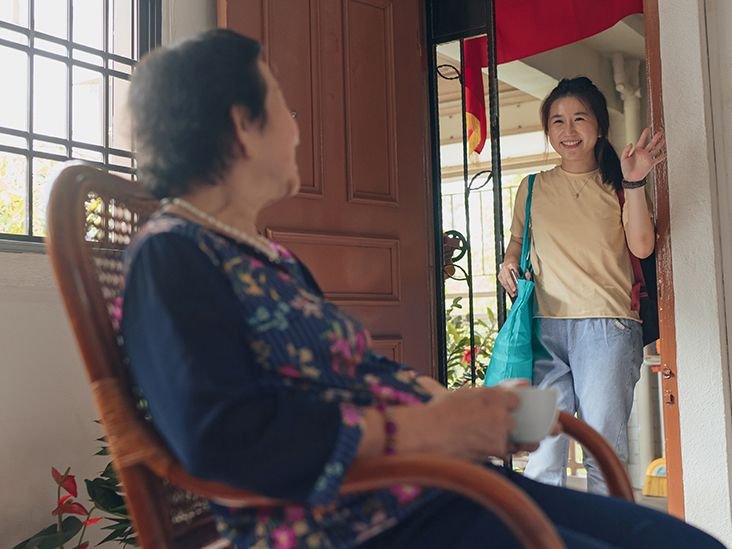
Stepping into the role of an unpaid family caregiver is often an unexpected transition—one that arrives without a standard training manual, professional orientation, or clear operational boundaries. Whether caring for an aging parent, a spouse navigating a chronic health condition, or a relative recovering from a major medical event, caregivers frequently find themselves balancing complex clinical tasks, dense insurance paperwork, and emotional stress. The sheer unpredictability of health care needs can make daily life feel like a continuous cycle of managing urgent crises. However, building a structured, proactive care strategy can significantly lighten this burden, creating a safer environment for your loved one while preserving your own health and longevity.
Caregiver stress is not merely an emotional challenge; it is a profound physiological and psychological weight that affects millions of households worldwide. Without structured organizational systems, proper ergonomic equipment, and intentional self-care boundaries, the continuous strain of caregiving can swiftly lead to chronic physical exhaustion, cognitive burnout, and health deterioration. Preparedness acts as a vital protective shield against this overwhelming strain. By establishing practical routines, assembling essential supplies, and treating personal self-care as an essential health intervention, caregivers can navigate their daily responsibilities with greater resilience and confidence.
This comprehensive deep dive examines the foundational supplies, safety strategies, and administrative workflows required to build a sustainable caregiving ecosystem. From hospital-ready go-bags and essential home modifications to evidence-based sleep hygiene techniques and vital documentation management, this guide provides a structured roadmap designed to bring clarity, safety, and balance back into the caregiving journey.
Understanding the Caregiver System: A Holistic Preparedness Model
Caregiver preparedness is far more than simply purchasing medical supplies or stocking up on basic personal hygiene items. It represents a structured, multi-layered system designed to minimize operational friction, enhance patient safety, and protect the caregiver’s personal physical and mental health. At its core, an effective caregiving model operates across three interconnected spheres: physical environment optimization, administrative management, and caregiver physiological maintenance. When these three areas are properly supported, overall operational stress drops dramatically, allowing for more empathetic, efficient, and dignified care.
The physical environment sphere focuses on modifying living spaces to mitigate fall hazards, streamline personal hygiene protocols, and foster functional independence whenever possible. The administrative sphere establishes clear, immediate access to critical health information, financial documentation, and legal directives, eliminating frantic searches during unexpected medical emergencies. Finally, the caregiver maintenance sphere acknowledges that a caregiver’s body and mind are the primary instruments of care delivery. Proper hydration, balanced nutrition, stress mitigation tools, and emotional support networks are not luxury items—they are functional prerequisites that sustain the entire caregiving dynamic over long periods.
Evidence-Based Benefits of Caregiver Preparedness and Self-Care
- Reduction in Fall-Related Hospitalizations: Environmental modifications—such as sensor-activated nightlights, secure grab bars, and clutter-free pathways—directly combat the leading cause of injury among older adults. Minimizing environmental hazards drastically lowers emergency room visits and trauma admissions.
- Mitigation of Caregiver Burnout and Fatigue: Utilizing organized workflows, prep-ahead daily care kits, and personal readiness bags mitigates continuous decision fatigue. This structured approach preserves mental clarity, emotional energy, and long-term stamina.
- Improved Sleep Quality Through Structured Planning: Scientific research demonstrates that spending five minutes writing a detailed, structured to-do list before bedtime enables individuals to fall asleep significantly faster. For caregivers, evening task planning calms racing thoughts and reduces overall sleep latency.
- Physiological Resilience via Hydration and Nutrition: Sustained physical demands require optimal biological support. Proper daily hydration maintains normal body temperature, lubricates joints, safeguards spinal tissue, and promotes healthy digestion, preventing physical fatigue during patient transfers.
- Seamless Medical Transitions and Emergency Readiness: Centralizing legal, medical, and insurance documentation eliminates delays in acute care settings, ensuring that clinical staff can make rapid, informed decisions aligned with the patient’s explicit preferences.
The collective impact of these evidence-based strategies extends far beyond simple day-to-day convenience. By taking deliberate, proactive measures, caregivers build a stable foundation that directly enhances quality of life for their loved ones while safeguarding their own long-term health against the severe toll of chronic caregiver stress.
Assembling Essential Go-Bags and Administrative Portfolios
Emergency room visits, unexpected specialist consultations, and prolonged stays in hospital waiting rooms are an inevitable reality of caregiving. Attempting to gather critical supplies while dealing with an acute medical crisis creates unnecessary panic and leads to forgotten details. To achieve absolute readiness, caregivers should maintain two distinct, permanently packed kits: an Administrative Command Folder and a Caregiver Comfort Go-Bag.
The Administrative Command Folder should be a durable, water-resistant accordion binder containing current printed copies of all vital records. Essential contents include government-issued identification, primary and secondary health insurance cards, healthcare proxy forms, durable power of attorney documents, and signed Do Not Resuscitate (DNR) or Physician Orders for Life-Sustaining Treatment (POLST) directives. Additionally, keep an updated list of all active prescription medications, exact dosages, prescribing physicians, known drug or food allergies, and organ donation preferences. Having this binder ready to grab instantly ensures complete transparency and rapid intake during emergency room admissions.
Simultaneously, prepare a dedicated Caregiver Comfort Go-Bag to sustain yourself during extended clinical waits or emergency admissions. This bag should contain essential toiletries (toothbrush, toothpaste, dental floss, cleansing wipes, lip balm), a warm sweater or compact travel blanket to combat cold hospital climate control, comfortable slip-on shoes, extra underwear, and personal prescription medications. Include key technical tools, such as extra-long charging cables, a high-capacity portable battery bank, a mobile Wi-Fi hotspot, and a laptop if you maintain remote work commitments. High-protein snacks, hydration powder packets, and a reusable water bottle are also essential for maintaining your physical energy during unexpected multi-hour hospital stays.
Optimizing the Home Environment for Safety and Daily Care Logistics
Creating an efficient, safe home environment requires a systematic evaluation of physical pathways, hygiene facilities, and visual organization systems. The primary goal is to maximize safety while minimizing physical strain for both the caregiver and the care recipient. Start by addressing fall risks, which represent a primary hazard for aging adults residing at home. Install high-lumen, motion-activated nightlights along pathways connecting bedrooms to bathrooms. Secure loose rugs with heavy-duty double-sided rug tape, clear electrical cord clutter from walking paths, and equip sink faucets with anti-scald adapters to prevent thermal injuries.
For personal hygiene and incontinence management, set up a dedicated, fully stocked care station inside or directly adjacent to the primary bathroom. Keep this area stocked with appropriate incontinence products (absorbent pads, fitted protective underwear, or specialized briefs), skin-barrier creams, non-irritating cleansing wipes, and nitrile gloves. Maintaining skin barrier integrity is crucial, as chronic moisture exposure can rapidly progress to painful skin breakdown and pressure ulcers. Keep an inventory tracking sheet on hand so you can reorder supplies well before running out.
Visual organization tools are equally vital, particularly when supporting individuals experiencing memory loss or cognitive decline. Install a large dry-erase board in a central, high-visibility area like the kitchen or main living room. Use this board to clearly display the daily routine, including scheduled mealtimes, planned medication times, and upcoming appointments. For the caregiver, utilizing color-coded sticky notes for labeling prepared meals or jotting down prioritized tasks for the next day offloads mental clutter, streamlines handoffs between family members, and fosters a comforting, predictable environment.
Frequently Asked Questions
How can working caregivers effectively balance remote employment with daily caregiving responsibilities?
Balancing remote work with caregiving requires clear operational boundaries, daily task prioritization, and effective leverage of technology. Establish firm working hours whenever possible, and communicate transparently with your manager regarding your caregiving role. Use mobile tools—such as laptops, noise-canceling headsets, and cellular Wi-Fi hotspots—to maintain productivity while sitting in medical waiting rooms. Structuring work into focused micro-blocks and delegating specific non-essential care tasks to trusted family members or community support services can also prevent severe professional and personal burnout.
What specific legal and medical documents must be included in a caregiver’s immediate emergency portfolio?
An emergency documentation portfolio must contain active health insurance cards, photo identification, healthcare proxy forms, durable power of attorney records, living wills, and formal DNR or POLST directives. Furthermore, it should contain a comprehensive master list detailing all current medications, exact milligram dosages, dosing schedules, diagnosed medical conditions, primary care and specialist contact information, and documented drug or environmental allergies. Keeping physical, physical printed copies organized in a portable waterproof binder ensures clinical personnel can immediately review critical background information.
What low-cost modifications can be made to a home to immediately improve safety for seniors with mobility challenges?
Improving home safety does not always require expensive structural remodels. High-impact, low-cost modifications include placing plug-in LED motion-sensor nightlights along dark hallways, placing textured rubber mats inside bathtubs and showers, applying non-skid tread strips to uncarpeted stair steps, and applying high-contrast tape to raised floor thresholds. Removing non-stationary throw rugs, rearranging furniture to clear wide walking corridors, and placing firm cushions or risers on low armchairs can also drastically lower fall risks without significant financial expense.
Final Thoughts on Building a Sustainable Caregiving Practice
Caregiving is one of the most profound and compassionate responsibilities a person can undertake, yet it demands an immense physical, emotional, and mental commitment. Successfully managing this role requires shifting away from a purely reactive mindset—where one constantly responds to unexpected daily crises—toward a proactive, systematic approach. By assembling dedicated hospital go-bags, maintaining structured administrative portfolios, and implementing smart home safety modifications, you create a safer, more predictable environment that protects your loved one while removing daily stress.
Crucially, long-term caregiving sustainability depends on recognizing that your personal health and well-being are fundamental to your loved one’s care. Prioritizing consistent hydration, maintaining proper sleep hygiene, leaning on social support networks, and establishing clear personal boundaries are not selfish acts. They are essential practices that allow you to provide high-quality, compassionate care over the long term. Implementing these practical systems step by step will restore stability, confidence, and peace of mind to your caregiving journey.
Leave a Reply