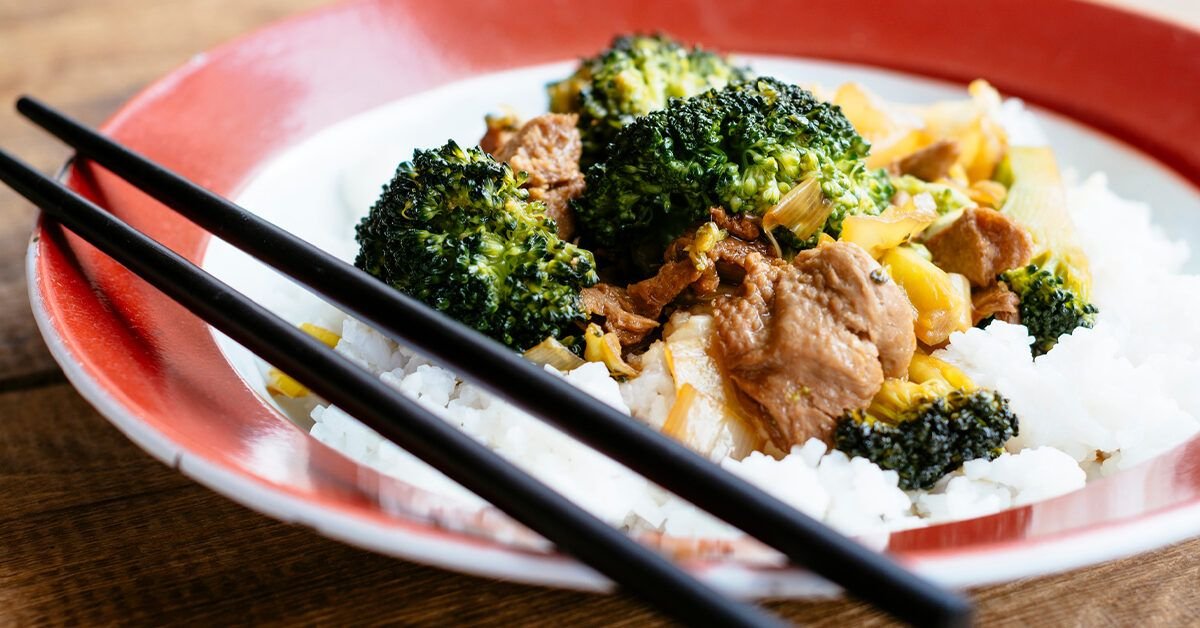
Transitioning to a plant-based diet, whether fully vegan or vegetarian, is one of the most impactful choices an individual can make for personal health, longevity, and environmental sustainability. However, one question continuously dominates conversations surrounding plant-centric living: "Where do you get your protein?" For decades, public health discourse conditioned consumers to equate robust protein intake almost exclusively with poultry, beef, eggs, and dairy products. This lingering misconception leaves many aspiring vegetarians and vegans anxious about whether a plate dominated by plants can truly support muscle synthesis, metabolic function, immune resilience, and cellular repair.
The reassuring reality is that the botanical kingdom is brimming with rich, highly bioavailable protein sources. From traditional soy derivatives like tempeh and tofu to ancient grains, legumes, seeds, and micro-nutritional powerhouses, plant foods offer far more than mere macronutrient balance. Unlike animal products, which often carry high levels of saturated fats and zero dietary fiber, plant proteins come naturally packaged with complex carbohydrates, prebiotics, vital minerals, essential fatty acids, and protective phytonutrients that foster holistic biological health.
Achieving an optimal protein intake on a plant-based diet does not require biochemical gymnastics or hyper-processed supplements. By understanding the underlying biology of plant protein, recognizing complete versus complementary amino acid profiles, and strategically structuring daily meals, anyone can thrive without animal products. This comprehensive guide explores top plant protein sources, breaks down the physiology of amino acid absorption, and provides actionable dietary strategies to ensure optimal daily nourishment.
What It Is & How It Works: Demystifying Plant-Based Protein Bioavailability
To fully appreciate the role of plant protein in human physiology, one must understand how protein functions at a molecular level. Proteins are composed of smaller chemical building blocks known as amino acids. Humans require twenty different amino acids to maintain cellular architecture, build enzymes, balance hormones, and synthesize muscle tissue. While the human body can manufacture eleven of these compounds internally—classified as non-essential amino acids—nine must be obtained directly through food. These nine are known as essential amino acids (EAAs).
A historical myth suggested that plant proteins are "incomplete" and therefore inherently inferior to animal proteins. In truth, virtually all whole plant foods contain all nine essential amino acids, though often in varying proportions. For instance, grains tend to be lower in the amino acid lysine while remaining high in methionine, whereas legumes are rich in lysine but slightly lower in methionine. When a person consumes a diverse array of whole plant foods across the course of a day, the liver maintains an amino acid pool, seamlessly drawing upon these constituents to assemble complete functional proteins.
Furthermore, certain plant foods—such as soybeans (tofu, tempeh, edamame), hemp seeds, and pseudo-grains like quinoa—contain all nine essential amino acids in optimal ratios, making them complete proteins on their own. The primary distinction between animal and plant sources lies in protein density and digestibility. Because plant proteins are bound within fibrous cellular walls, their absorption rate—measured by the Digestible Indispensable Amino Acid Score—can be slightly lower than animal sources. However, simple culinary techniques such as soaking, sprouting, fermenting, and thorough cooking break down anti-nutrients like phytates and lectins, significantly enhancing nutrient bioavailability and gut comfort.
Key Benefits and Physiological Advantages of Plant-Based Proteins
- Cardiovascular Disease Reduction: Plant protein sources are naturally cholesterol-free and low in saturated fats. Replacing animal proteins with legumes, nuts, and soy significantly lowers low-density lipoprotein cholesterol, reduces arterial inflammation, and stabilizes blood pressure levels.
- Enhanced Gut Microbiome Health: Unlike animal products, plant protein sources are inextricably tied to dietary fiber and resistant starches. These compounds act as prebiotics, nourishing beneficial gut bacteria that produce short-chain fatty acids like butyrate, which fortify the intestinal lining and modulate immune responses.
- Improved Metabolic Regulation: High-fiber plant proteins digest more slowly than refined carbohydrates and animal fats, leading to sustained glucose release and prolonged satiety. Studies show that diets rich in legumes and soy improve insulin sensitivity and support long-term weight management.
- Lower Risk of Chronic Inflammatory Conditions: Plant proteins come bundled with potent phytonutrients, polyphenols, and antioxidant minerals like selenium, zinc, and manganese, which actively neutralize oxidative stress and lower systemic inflammatory markers linked to chronic disease.
- Optimized Renal Protection: Research indicates that plant-based protein places less hyperfiltration stress on the kidneys compared to high intakes of animal protein, making plant proteins particularly protective for long-term renal function and blood filtration efficiency.
Beyond these direct systemic advantages, shifting to plant protein provides a dense matrix of essential micronutrients that are often lacking in modern eating patterns. Foods like lentils, beans, and seeds deliver abundant quantities of folate, potassium, magnesium, and non-heme iron, creating a synergistic matrix where nutrients work collectively to optimize metabolic efficiency, vascular health, and energy production.
The Elite Plant Protein Arsenal: Top Sources and Preparation Strategies
Building a resilient, high-protein plant-based diet requires selecting whole foods that yield the highest protein return per serving while remaining easy to prepare and digest. Soy innovations lead the category: derived from soybeans, tofu, tempeh, and edamame offer between 12 and 20 grams of complete protein per 3.5-ounce (100g) serving. Tofu is remarkably versatile, absorbing flavors in stir-fries and scrambles. Tempeh, made from fermented whole soybeans, introduces beneficial probiotics alongside a structural firm texture and nutty flavor profile. Edamame serves as a quick, fiber-rich snack providing high levels of folate and vitamin K.
Seitan, known colloquially as "wheat meat," is crafted by washing wheat flour dough with water to remove starch, leaving behind pure concentrated gluten. Delivering an extraordinary 25 grams of protein per 3.5 ounces, seitan boasts a savory, chewy texture that mimics dense meat. It is an exceptional source of selenium and iron, though it must be avoided by those with celiac disease or non-celiac gluten sensitivity.
Legumes remain foundational staples across world cultures. Lentils deliver an impressive 18 grams of protein per cooked cup, alongside over half the daily recommended intake for fiber. Chickpeas, kidney beans, and black beans follow closely, averaging 15 grams of protein per cup. These legumes are packed with slow-digesting complex carbohydrates, iron, and potassium. Soaking legumes overnight significantly reduces digestive discomfort, rendering them far easier on the gut.
Ancient grains and seeds provide incredible nutrient density. Spelt and teff outperform traditional grains like rice, yielding 10 to 11 grams of protein per cooked cup along with robust doses of magnesium, zinc, and iron. Meanwhile, raw hemp seeds pack 9 grams of complete protein in just three tablespoons, accompanied by an ideal ratio of omega-6 to omega-3 essential fatty acids that reduce cellular inflammation.
Strategic Meal Engineering to Prevent Deficiencies and Maximize Nutrition
Consuming adequate protein grams is only half the equation; optimizing daily absorption and protecting against nutrient gaps requires deliberate meal engineering. A common pitfall among new plant-based eaters is relying heavily on ultra-processed vegan convenience foods that offer high sodium and refined fats with poor micronutrient density. Instead, focus on whole-food synergy.
To maximize non-heme iron absorption from sources like lentils, spinach, and beans, pair them consistently with vitamin C-rich foods such as bell peppers, citrus fruits, tomatoes, or broccoli. Vitamin C converts non-heme iron into a more absorbable state, increasing uptake substantially. Conversely, avoid consuming coffee or black tea during or immediately after high-protein meals, as polyphenols and tannins can bind to iron and zinc, hindering cellular uptake.
Special attention must also be given to specific key nutrients that are less abundant in unfortified plant foods, notably vitamin B12, vitamin D, iodine, calcium, and long-chain omega-3 fatty acids (EPA and DHA). Incorporating fortified nutritional yeast—which offers 8 grams of complete protein per half-ounce alongside structural B vitamins—serves as an easy seasoning that helps cover B12 requirements. Working alongside a qualified dietitian to conduct regular blood panels and curate targeted supplementation guarantees that a plant-based lifestyle remains fully sustainable.
Frequently Asked Questions
How much protein do vegans and vegetarians actually need every day?
The baseline Recommended Dietary Allowance for sedentary adults is 0.8 grams of protein per kilogram of body weight (approx. 0.36 grams per pound). However, health experts and sports nutritionists increasingly recommend that active individuals on plant-based diets target between 1.2 and 2.0 grams per kilogram (approx. 0.55 to 0.9 grams per pound). This slightly higher baseline accounts for the somewhat lower digestibility rates of raw plant proteins bound in fibrous matrices. Athletes, older adults, and individuals focused on muscle building should aim for the higher end of this spectrum, distributing intake across 3 to 5 balanced meals throughout the day.
Do I need to combine complementary proteins in the exact same meal?
No, this is an outdated nutritional myth from previous decades. You do not need to combine rice and beans within the exact same bite or meal to create a complete protein. Your liver maintains a circulating pool of free amino acids throughout the day. As long as you consume a diverse variety of whole plant foods—including legumes, whole grains, nuts, seeds, and vegetables—over a 24-hour period, your body will automatically pull the necessary amino acid components from this pool to synthesize muscle tissue and repair vital structures seamlessly.
Can you gain significant muscle mass relying solely on plant protein sources?
Absolute consensus in modern sports science demonstrates that plant proteins can support muscle hypertrophy and strength gains just as effectively as animal proteins, provided total protein volume and essential amino acid thresholds are met. The key amino acid for triggering muscle protein synthesis is leucine. While animal proteins are naturally dense in leucine, plant-based athletes can easily hit leucine thresholds by consuming sufficient quantities of soy, lentils, pumpkin seeds, and seitan, or by utilizing plant-based protein powders derived from pea and rice blends.
Final Takeaways for Optimal Plant-Based Living
Embracing a protein-rich plant-based diet is a powerful, science-backed approach to elevating vitality, improving metabolic efficiency, and fostering long-term cardiovascular and gut health. Far from being a restrictive regime of compromises, plant-centric eating unlocks a vibrant world of culinary diversity, uniting nutrient-dense legumes, ancient grains, nuts, seeds, and soy products into meals that are as deeply satisfying as they are biologically restorative.
Success lies in intentionality, diversity, and whole-food optimization. By pairing protein-dense staples with smart culinary preparation, monitoring key micronutrients, and maintaining balanced amino acid intake across your daily routine, you can seamlessly power your active lifestyle without animal products. Whether your goal is building lean muscle, protecting your heart, or optimizing digestive wellness, the plant kingdom offers every essential tool required to build a thriving, highly resilient body.
Leave a Reply