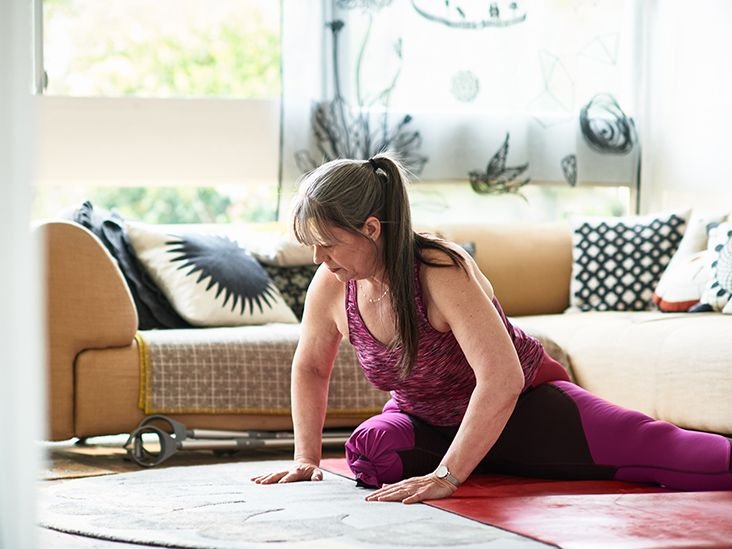
Aging is an inevitable biological journey, but forfeiting physical vitality, independence, and movement quality does not have to be part of the contract. As the decades advance, many individuals notice subtle yet undeniable shifts in how their bodies respond to exercise. Workouts that once felt invigorating may suddenly yield persistent joint stiffness, longer recovery periods, or unusual fatigue. Rather than viewing these changes as a cue to surrender fitness goals, health science suggests a different perspective: aging demands strategic adaptation rather than total cessation.
Reframing your physical routine as you age is not about lowering your standards; it is about working in harmony with your evolving physiology. The primary objective of fitness often transitions from aesthetic body sculpting or high-intensity athletic performance toward functional longevity, joint integrity, metabolic protection, and cognitive health. By learning how to adjust exercise modalities to accommodate age-related changes—such as joint wear, bone density drops, and hormonal shifts—you can cultivate an active, robust lifestyle well into your golden years.
Whether you are dealing with early-stage joint discomfort, navigating metabolic transitions like menopause or andropause, or simply seeking to preserve your balance and agility, tailored movement is your most potent therapeutic tool. Embracing modified training strategies allows you to continue reaping the deep physiological and mental benefits of physical activity while protecting your body from overuse, pain, and injury.
Physiology of Aging: How Physical Needs Evolve
To adapt your training effectively, it is essential to understand the biological mechanisms occurring behind the scenes. Starting around the third decade of life, the human body undergoes a gradual reduction in lean skeletal muscle mass, a condition clinically recognized as sarcopenia. Unchecked, sarcopenia leads to a decline in basal metabolic rate, functional strength, and physical stability. Concurrently, bone mineral density begins a natural trajectory of decline, connective tissues lose elastic recoil, and structural cartilage within joint capsules thins, predisposing individuals to discomfort and stiffness.
Furthermore, cardiovascular parameters undergo age-related changes. Biological shifts lead to a gradual reduction in maximal heart rate and arterial flexibility, which directly impacts VO2 max—the body’s efficiency in utilizing oxygen during sustained activity. Systemic hormonal fluctuations, such as drops in circulating estrogen during menopause or gradual declines in bioavailable testosterone in older men, further influence muscle protein synthesis, visceral fat accumulation, and soft tissue recovery rates.
Despite these changes, physical tissue retains remarkable plasticity throughout the entire human lifespan. Muscles continue to undergo hypertrophic adaptations when exposed to mechanical tension, and bones retain their capacity to increase matrix density in response to external impact forces and resistance loading. The fundamental shift lies in programming: training design must prioritize structural alignment, sustainable cardiovascular strain, multi-planar movement patterns, and intentional recovery protocols over high-impact, high-frequency physical stress.
Core Benefits and Signs You Need to Adjust Your Training
Maintaining a personalized, structured fitness regimen throughout your middle and senior years delivers profound, systemic health dividends. Beyond preserving physical autonomy, tailored exercise serves as a primary non-pharmacological intervention for chronic disease management. However, recognizing when your body requires modification is crucial to preventing long-term physical regression.
- Joint Fluidity and Pain Relief: Controlled movement promotes the production and distribution of synovial fluid within joint cavities, lubricating cartilage and reducing osteoarthritic friction.
- Bone Architecture Protection: Progressive resistance and weight-bearing exercises stimulate bone-building osteoblast cells, actively countering osteopenia and osteoporosis.
- Hormonal and Metabolic Balance: Physical activity enhances systemic insulin sensitivity, helps mitigate midlife central adiposity, and aids in regulating core body temperature and circadian rhythm.
- Balance, Proprioception, and Fall Prevention: Targeted neuromuscular drills strengthen stabilizing muscles around the ankles, hips, and core, significantly lowering the risk of debilitating falls.
- Neuroplasticity and Cognitive Function: Aerobic exercise stimulates brain-derived neurotrophic factor (BDNF), bolstering executive function, memory retention, and mental acuity.
Recognizing the warning signs that your current routine requires modification is key to longevity. Persistent joint pain lasting longer than two hours post-workout, systemic exhaustion, localized swelling, sharp twinges during movement, or prolonged sleep disruptions are clear indicators that your exercise volume, intensity, or selection needs structural adjustment.
Navigating Common Age-Related Health Conditions
Adapting your routine requires tailored strategies for managing specific structural or hormonal conditions. With appropriate modifications, physical activity can relieve symptoms and enhance daily function without subjecting vulnerable tissues to unnecessary trauma.
For individuals managing osteoarthritis, the overriding principle is working strictly within pain-free or minimal-discomfort motion ranges. High-impact running or heavy axial compression can be replaced with low-impact alternatives such as aquatic therapy, stationary cycling, rowing, or resistance band training. Water workouts are especially beneficial because fluid buoyancy mitigates joint compression while offering smooth kinetic resistance. When performing lower-body movements like squats, utilizing stable structural supports—such as holding onto a kitchen counter or using a suspension trainer—reduces joint shear forces while maintaining quadriceps strength.
When addressing reduced bone density or osteoporosis, the training emphasis shifts toward controlled weight-bearing forces combined with strict movement mechanics. Weight-bearing exercises like brisk walking, step-ups, and structured resistance training stimulate skeletal strength. However, individuals with compromised bone density must avoid explosive high-impact movements and extreme spine flexion or spinal twisting under load. Replacing classic floor sit-ups with isometric core exercises, such as bird-dogs or forearms planks, stabilizes the lumbar spine without compromising bone safety.
Hormonal transitions, particularly menopause, present unique physiological management challenges during exercise. Vasomotor symptoms like hot flashes can make high-intensity sessions uncomfortable. Managing these challenges involves working out in climate-controlled environments, wearing lightweight moisture-wicking fabrics, maintaining cold hydration, and utilizing diaphragmatic breathing techniques when body temperature spikes. Combining moderate cardiovascular workouts with progressive strength training plays a key role in counteracting hormonal metabolic slowing and supporting lean tissue integrity.
Building a Balanced Weekly Routine for Lifelong Mobility
A resilient exercise program for middle-aged and older adults rests on four fundamental physical pillars: resistance training, low-impact endurance, balance mastery, and dynamic flexibility. Integrating these pillars creates a protective framework that enhances functional capacity and daily energy levels.
A well-designed weekly template should aim for 150 minutes of moderate-intensity aerobic activity, broken into manageable 20- to 30-minute sessions. Activities such as brisk walking, aquatic aerobics, cycling, or elliptical training keep the cardiovascular system working efficiently without causing excessive joint strain. Complement this endurance work with two to three non-consecutive days of resistance training. Focus on compound movements that mirror daily functional tasks: pushing, pulling, hinging, squatting, and carrying. Starting with light dumbbells, resistance bands, or guided weight machines allows for gradual strength gains without risking connective tissue strains.
Equally critical is the daily integration of balance and flexibility work. Proprioceptive exercises, such as single-leg stance holds, tandem walking, or slow, controlled tai chi routines, retrain motor pathways and balance centers in the inner ear and brain. Combine these with static and dynamic stretching after workouts, focusing on tight areas like hip flexors, calves, hamstrings, and shoulders. Prioritizing structured recovery days, adequate sleep, and optimal hydration allows your neuromuscular system to adapt, rebuild, and stay resilient long-term.
Frequently Asked Questions About Aging and Exercise
How do I know if post-workout discomfort is normal muscle soreness or joint damage?
Normal delayed onset muscle soreness (DOMS) typically develops 24 to 48 hours after a workout and presents as a generalized, dull ache within the muscle tissue that improves with warm movement and gentle activity. In contrast, joint damage or structural strain usually presents immediately during or right after exercise as a sharp, localized, or throbbing pain directly within the joint capsule. If you experience joint swelling, redness, warm sensations around the joint, or discomfort that lingers for several days, you should reduce exercise intensity and consult a medical professional or physical therapist.
Is it ever too late to start strength training if I have never lifted weights before?
It is never too late to begin a structured resistance training program. Clinical research consistently shows that individuals in their seventies, eighties, and beyond can achieve significant muscle hypertrophy, strength gains, and balance improvements through resistance exercise. Beginners should start under professional guidance or use simple bodyweight movements, resistance bands, and chest-supported weight machines. The key is starting with low loads, mastering movement patterns, and applying gradual progression over time.
How should I adjust my exercise intensity if I feel chronic fatigue or hormonal hot flashes?
Listen closely to your internal cues and utilize auto-regulation, which means adjusting your workout based on your daily energy levels rather than sticking to a rigid plan. On days with high fatigue or frequent hot flashes, scale back intensity by switching from high-effort training to light walking, restorative yoga, or dynamic mobility work. Work out in well-ventilated or air-conditioned environments, keep a cool towel nearby, drink cold water throughout your session, and break up your exercise into shorter, 10-minute intervals spread across the day.
Embracing Exercise as a Lifelong Companion
Adapting your fitness approach as you age is an empowering, proactive strategy to safeguard your health and independence. Reframe your workouts not as a test of endurance or a search for physical perfection, but as essential daily self-care. Every modified movement, strength session, and brisk walk contributes directly to structural durability, metabolic balance, and mental clarity.
By prioritizing proper form, listening to physical cues, and respecting your body’s need for recovery, you can build a sustainable physical routine that serves you for decades to come. Consistency, adaptability, and patient progression are the true keys to lifelong vitality. Embrace where your body is today, adapt thoughtfully to its evolving needs, and keep moving forward with confidence.
Leave a Reply