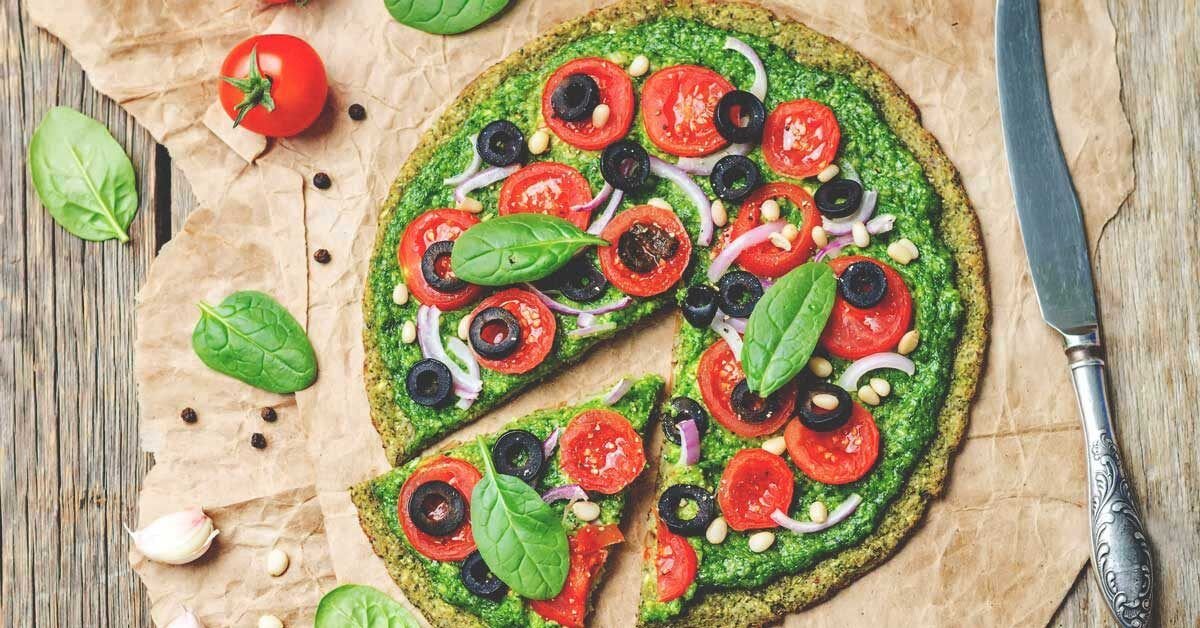
Plant-based eating has evolved from a niche lifestyle choice into a global health movement. Across the world, millions of individuals are choosing to eliminate animal products from their daily routines, driven by a desire to improve personal vitality, protect environmental resources, and promote the ethical treatment of animals. While transitioning away from traditional meat-and-dairy-centered meals can seem challenging at first, adopting a well-planned vegan diet offers an array of transformative physiological benefits that support long-term wellness.
However, transitioning to a plant-based lifestyle involves much more than simply removing meat, poultry, fish, eggs, and dairy from your daily menu. Achieving optimal health on a vegan diet requires a thoughtful understanding of human nutrition, smart meal planning, and a clear awareness of essential micronutrients predominantly found in animal foods. Without proper guidance, newcomers risk falling into common dietary traps, such as relying heavily on ultra-processed vegan convenience foods or neglecting critical vitamins essential for metabolic health.
This comprehensive guide serves as an evidence-based roadmap for navigating the vegan lifestyle safely and effectively. Whether your primary goal is sustainable weight loss, improved blood sugar regulation, optimal cardiovascular health, or simply adopting a more conscious way of eating, understanding the foundational mechanics of plant-based nutrition will empower you to make informed, health-supportive choices every single day.
Understanding Veganism: Mechanics and Dietary Varieties
At its core, veganism is defined as a lifestyle and dietary philosophy that seeks to exclude all forms of animal exploitation and cruelty. In the context of nutrition, this means strictly avoiding all foods derived from animals, including red meat, poultry, seafood, eggs, dairy products, honey, and gelatin. Instead, a well-structured vegan diet draws its energy and nutrient density entirely from the plant kingdom: whole grains, legumes, vegetables, fruits, nuts, seeds, and healthy plant oils.
The biological mechanics of a plant-based diet revolve around a significant increase in dietary fiber, phytonutrients, antioxidants, and complex carbohydrates, paired with a substantial reduction in dietary cholesterol and saturated fat. When you shift your daily intake toward unrefined plant foods, your digestive system undergoes a highly beneficial transformation. Higher fiber intake slows gastric emptying, promotes steady glucose absorption, and nourishes beneficial gut microbiota, which produce short-chain fatty acids that actively support metabolic and cardiovascular function.
It is essential to recognize that not all vegan diets are structured identically. In fact, plant-based eating encompasses several distinct sub-approaches, each with its own specific focus and nutritional profile:
- Whole-Food Vegan Diet: Centered on unprocessed plant foods such as beans, lentils, whole grains, vegetables, fruits, nuts, and seeds. This approach is widely considered the gold standard for metabolic health and disease prevention.
- Raw-Food Vegan Diet: Emphasizes raw fruits, vegetables, nuts, and seeds, or plant foods cooked at temperatures below 118°F (48°C) to preserve heat-sensitive natural enzymes.
- High-Carb, Low-Fat Vegan Diets: Focused heavily on energy-dense cooked starches like potatoes, rice, corn, and oats, or raw sweet fruits, while strictly limiting fat-rich plant foods like nuts, seeds, and avocados.
- Convenience or Junk-Food Vegan Diet: Relies heavily on commercially processed plant-based meat substitutes, vegan cheeses, deep-fried foods, and refined snacks. While strictly vegan, this pattern lacks essential micronutrients and fiber, often leading to poor health outcomes.
Scientific Evidence: Primary Health Benefits of Plant-Based Living
Decades of epidemiological research and controlled clinical trials indicate that shifting toward an unrefined plant-based diet can confer profound physiological advantages. By eliminating saturated animal fats and significantly increasing antioxidant-rich plant foods, individuals frequently experience rapid improvements across multiple metabolic health markers.
- Sustainable Weight Management: Plant foods typically possess a lower calorie density and higher physical volume compared to animal products, largely due to their rich fiber and water content. Clinical studies consistently demonstrate that individuals adopting a whole-food vegan diet naturally consume fewer total calories per day without feeling restricted, leading to steady fat loss and healthy body weight maintenance.
- Enhanced Insulin Sensitivity and Blood Sugar Regulation: A plant-rich diet markedly reduces systemic inflammation and intramuscular lipid accumulation, two primary drivers of insulin resistance. Research reveals that whole-food plant eating significantly lowers fasting blood glucose and HbA1c levels, substantially reducing the risk of developing type 2 diabetes.
- Superior Cardiovascular Health: Eliminating dietary sources of saturated fat and trans fats leads to drastic reductions in serum total cholesterol and low-density lipoprotein (LDL) cholesterol. Additionally, the elevated potassium and antioxidant content in plant foods supports vascular elasticity and optimal blood pressure regulation.
- Optimized Digestive Function and Microbiome Diversity: Dietary fiber acts as a potent prebiotic, nourishing beneficial bacterial species in the large intestine. A diverse gut microbiome supports efficient digestion, strong immune defense, and reduced baseline inflammation throughout the body.
Despite these clear advantages, transitioning to a plant-based diet requires careful attention to specific nutrients. Because animal tissues naturally store high concentrations of certain vitamins and minerals, removing them completely means you must intentionally source these micronutrients from fortified plant foods or targeted supplementation to prevent long-term deficiencies.
A Step-by-Step Transition Strategy for Long-Term Success
Transitioning to a plant-based diet does not require an all-or-nothing approach overnight. In fact, clinical evidence shows that gradual, deliberate modifications tend to yield far higher long-term adherence rates than abrupt lifestyle overhauls. The primary objective is to replace nutrient-poor foods with whole, nutrient-dense plant alternatives rather than merely subtracting items from your current menu.
Begin by auditing your current weekly meal plan and identifying dishes that are naturally plant-based or easily modified. Meals such as oatmeal topped with chia seeds and berries, vegetable stir-fries with tofu, hearty bean chilis, or chickpea curries require minimal adjustments. Focus on building meals around a simple, balanced formula: combine a rich plant protein source (such as lentils, black beans, tempeh, or edamame), a complex carbohydrate (such as brown rice, quinoa, sweet potatoes, or whole-grain pasta), abundant non-starchy leafy greens, and a moderate serving of healthy plant fats like tahini, extra virgin olive oil, or avocado.
Equally important is mastering smart grocery shopping strategies. Fill your cart predominantly from the perimeter of the supermarket, prioritizing fresh produce, bulk whole grains, and dried or canned legumes. When browsing processed foods or packaged meal additions, learn to carefully inspect ingredient labels. Watch out for hidden animal-derived additives such as whey, casein, gelatin, lactose, and lard. Stocking your pantry with versatile staples like canned tomatoes, nutritional yeast, nut butter, and whole grains ensures that healthy plant-based meals can be prepared quickly even on busy weeknights.
Preventing Deficiencies: Mastering Plant-Based Micronutrients
To maintain peak energy, physical performance, and overall health on a vegan diet, you must strategically address micronutrient adequacy. While plant foods offer abundant vitamins C, K, folate, and potassium, certain essential elements require explicit planning to ensure ideal biochemical status and prevent insidious deficiency symptoms over time.
Vitamin B12 demands the highest priority. Vitamin B12 is synthesized exclusively by microorganisms and is absent in unfortified plant foods. Every individual following a vegan diet must consume fortified foods (such as fortified plant milks or nutritional yeast) daily or take a reliable, high-quality B12 supplement. Neglecting B12 intake can lead to irreversible neurological impairment, severe anemia, and chronic fatigue.
Additionally, optimizing the intake and absorption of minerals like iron, zinc, calcium, and iodine requires intentional culinary techniques. Plant-based iron (non-heme iron) is abundant in spinach, lentils, pumpkin seeds, and beans, but its bioavailability is lower than heme iron from animal sources. Pairing iron-rich plant foods with vitamin C sources (such as citrus juice, bell peppers, or tomatoes) dramatically enhances iron absorption, while soaking and sprouting legumes reduces phytates. For omega-3 fatty acids, rely on daily consumption of ground flaxseeds, chia seeds, walnuts, and hemp seeds, or consider a microalgae-derived EPA and DHA supplement to support optimal brain and heart function.
Frequently Asked Questions About the Vegan Diet
Can you build muscle and athletic performance on a vegan diet?
Yes, building strength, muscle mass, and athletic endurance is entirely achievable on a completely plant-based diet. Plant proteins contain all twenty amino acids, including the nine essential amino acids required for muscle protein synthesis. By consuming a wide variety of protein-dense foods—such as lentils, edamame, tofu, tempeh, seitan, beans, and high-protein grains—athletes can easily hit their daily macronutrient targets. Additionally, high-quality plant-based protein powders derived from pea, rice, or hemp can help meet elevated protein requirements for recovery.
Is a vegan diet safe for children, pregnant women, and older adults?
Major international dietetic associations agree that a well-planned vegan diet is nutritionally adequate and safe for all stages of life, including pregnancy, lactation, infancy, childhood, adolescence, and older adulthood. However, vulnerable populations have significantly higher micronutrient demands. During pregnancy and growth phases, meticulous attention must be paid to adequate calorie intake, iron, calcium, vitamin D, iodine, and omega-3 fatty acids. Consulting a registered dietitian specializing in plant-based nutrition is highly recommended to ensure proper growth monitoring.
How do I handle dining out and social gatherings as a vegan?
Navigating social situations requires practical preparation and clear communication. Before visiting a restaurant, check the menu online to identify plant-based options or contact the kitchen in advance to inquire about custom meal preparation. Focus on cuisines that naturally feature plant-focused meals, such as Mediterranean, Indian, Ethiopian, Thai, or Mexican dining. When attending social gatherings, offer to bring a delicious, sharing-style vegan dish, ensuring that you will have a satisfying option while demonstrating the vibrant taste and versatility of plant-based cooking to others.
Adopting a vegan diet represents a profound and rewarding shift toward conscious, health-focused living. When anchored in whole, minimally processed plant foods—such as legumes, grains, vegetables, fruits, nuts, and seeds—this dietary pattern provides robust protection against chronic metabolic diseases, enhances weight management, and optimizes overall vitality. By moving beyond convenience-based vegan alternatives and prioritizing nutritional diversity, you set a firm foundation for sustainable health benefits.
Ultimately, long-term success on a plant-based journey relies on knowledge, strategic meal preparation, and thoughtful supplementation of critical micronutrients like vitamin B12. By empowering yourself with evidence-based strategies, listening to your body’s physiological signals, and maintaining a balanced outlook, you can seamlessly integrate plant-based nutrition into your everyday life. Embrace the journey at your own pace, and enjoy exploring the rich variety of delicious, nourishing foods that the plant kingdom has to offer.
Leave a Reply