Navigating the transition through perimenopause and menopause involves significant hormonal shifts that impact overall health, including intimate well-being. Among these biological changes, vaginal dryness—a primary manifestation of Genitourinary Syndrome of Menopause (GSM)—is exceptionally common. As estrogen levels drop, the mucosal lining of the vaginal wall becomes thinner, less elastic, and less capable of generating natural lubrication. This shift can turn daily physical movement and intimate encounters into sources of discomfort, burning, or friction.
Despite affecting up to half of postmenopausal individuals, vaginal dryness remains an under-discussed aspect of women’s health. Many assume that diminished comfort during sex is an inevitable consequence of aging. However, modern sexual wellness offers advanced, highly effective non-hormonal interventions. Over-the-counter lubricants, topical moisturizers, and targeted suppositories provide immediate and sustained relief, helping restore comfort, sexual vitality, and tissue integrity.
Understanding how these products interact with delicate vaginal tissue and selecting the proper formulation is essential for achieving optimal relief. In this evidence-based guide, we examine the physiological mechanisms behind menopause-related dryness, analyze the key categories of personal lubricants, and outline practical steps for safe and effective use.
Understanding Vaginal Dryness and the Mechanics of Moisture
To understand how personal lubricants and moisturizers work, it helps to examine normal vaginal physiology. In premenopausal years, steady estrogen levels maintain a thick, elastic, multi-layered vaginal epithelium. Estrogen fuels blood flow to the pelvic organs and encourages epithelial cells to store glycogen. Beneficial bacteria, mainly Lactobacillus species, convert this glycogen into lactic acid, creating an acidic environment with a healthy pH between 3.8 and 4.5. During sexual arousal, increased blood flow creates a lubricating transudate fluid that weeping across the vaginal walls.
During menopause, declining ovarian estrogen alters this mechanism. The vaginal walls thin significantly, elastic tissue diminishes, and local blood flow decreases. Glycogen production drops, leading to an elevated, more alkaline pH level that can disrupt healthy microflora. Consequently, natural baseline moisture and arousal-driven lubrication diminish, leaving fragile tissues susceptible to micro-tears, inflammation, and mechanical friction.
Over-the-counter intimacy products address these challenges through distinct physical mechanisms. Personal lubricants are short-acting gels designed for immediate application before or during sexual activity. They sit on the surface of the tissue to eliminate physical friction and provide instant glide. Conversely, vaginal moisturizers are bio-adhesive formulations applied regularly throughout the week. They bind to the mucosal lining, slowly releasing water into epithelial tissues to provide continuous hydration, restore elasticity, and alleviate everyday dryness regardless of sexual activity.
Clinical Benefits and Evidence-Based Outcomes
Clinical research in gynecological care demonstrates that non-hormonal lubricants and moisturizers provide substantial therapeutic relief for vulvovaginal atrophy symptoms. Incorporating these products into a routine offers several key biological and lifestyle benefits:
- Immediate Reduction in Dyspareunia: Personal lubricants immediately coat sensitive epithelial surfaces, significantly reducing friction during intercourse and relieving acute burning or stinging.
- Deep Tissue Hydration: Vaginal moisturizers and suppositories containing active ingredients like hyaluronic acid bind water to mucosal tissues, plumping dry cell layers and improving tissue flexibility over time.
- Support for Optimal Vaginal Acidity: Formulations balanced to match physiological vaginal pH assist in maintaining a protective microflora, helping guard against opportunistic bacterial or yeast overgrowth.
- Improved Sexual Function and Arousal: Studies show that consistent lubricant use correlates with higher scores on the Female Sexual Function Index, enhancing comfort, sensitivity, and overall sexual satisfaction.
- Protection Against Micro-Trauma: Regular use of hydrating gels reduces passive friction caused by tight clothing, physical exercise, or daily movement, preventing surface abrasions on fragile tissues.
- Hormone-Free Safety Profile: Topicals offer an effective solution for individuals who cannot or prefer not to use systemic or local hormonal therapies, such as survivors of estrogen-sensitive cancers.
Medical consensus highlights that choosing well-formulated products tailored to mucosal health significantly enhances comfort while supporting natural barrier functions.
A Guide to Lubricant and Moisturizer Categories
Selecting the right product requires understanding the distinct characteristics, pros, and cons of each primary category available on the market today.
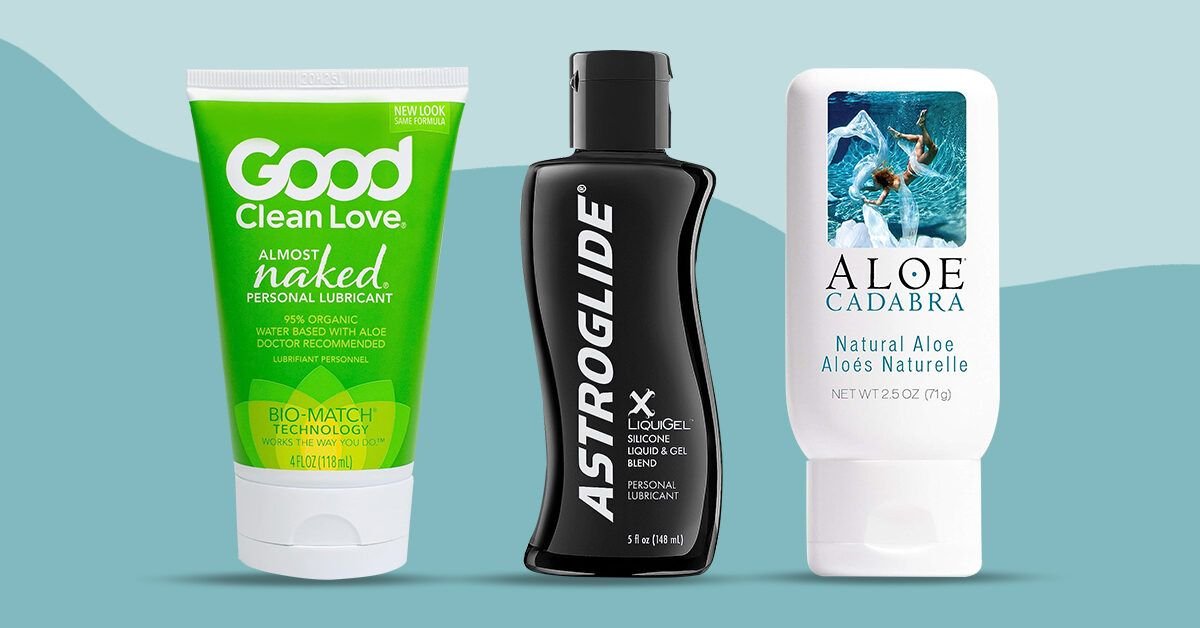
Water-Based Lubricants: Water-based formulas are highly popular due to their versatility and compatibility with latex condoms and silicone toys. They closely mimic natural vaginal secretions and wash away easily with water. However, because water evaporates and absorbs into skin tissues, reapplication may be necessary during longer sessions. When choosing a water-based option, inspect the label for ingredients like glycerin, propylene glycol, or parabens. High levels of these compounds can raise product osmolality, which may draw moisture out of tissue cells and trigger localized irritation.
Silicone-Based Lubricants: Formulated with medical-grade silicone polymers like dimethicone, silicone lubricants do not absorb into skin or evaporate in air. This creates an exceptionally long-lasting, slick layer of protection using only a small amount of product. Silicone lubes are hypoallergenic, safe for use under water or in the shower, and compatible with latex condoms. Note that they should not be used alongside silicone intimate devices, as they can degrade the material over time, and require warm water and soap for complete removal.
Vaginal Moisturizers and Hyaluronic Acid Inserts: Designed for ongoing management rather than immediate sexual glide, moisturizers and suppositories are applied every few days, usually at bedtime. Ingredients like hyaluronic acid—a naturally occurring molecule that holds up to 1,000 times its weight in water—plump cell layers and promote mucosal repair, providing sustained day-to-day comfort.
Best Practices for Safe Application and Comfort
To maximize product benefits while protecting sensitive intimate tissues, consider several important safety guidelines during selection and application.
First, evaluate osmolality and pH metrics. The World Health Organization recommends personal lubricants maintain an osmolality under 1,200 mOsm/kg—preferably matching physiological levels near 300 mOsm/kg—to avoid hypertonic dehydration of mucosal cells. Choose products formulated within a natural pH range of 3.8 to 4.5 that include lactic acid to preserve the protective vaginal microbiome.
Second, establish a structured application strategy. If experiencing persistent baseline dryness, use an internal moisturizer every two to three days before sleep to allow full tissue absorption. Keep a dedicated lubricant on hand for sexual intimacy. Before widespread use, perform a simple patch test by applying a small amount to your inner forearm for 24 hours to monitor for allergic contact dermatitis or sensitivity.
Finally, pair topical care with comprehensive lifestyle habits. Maintain robust daily hydration, consume essential fatty acids through balanced nutrition, and discuss symptoms openly with your intimate partner. If discomfort persists, consider consulting a pelvic floor physical therapist to address potential hypertonic muscle tension related to chronic dryness.
Frequently Asked Questions
What is the main difference between a personal lubricant and a vaginal moisturizer?
Personal lubricants are designed for short-term use during intimate activity to reduce friction and provide immediate glide. Vaginal moisturizers are intended for regular, ongoing use every few days. They adhere to the mucosal lining to replenish internal hydration, easing day-to-day dryness, itching, and discomfort regardless of sexual activity.
Which ingredients should be avoided in lubricants for sensitive skin?
Avoid products containing synthetic fragrances, artificial colors, warming or cooling chemicals (like menthol), high concentrations of glycerin, and harsh preservatives like parabens or chlorhexidine. These additives can disturb the delicate vaginal microbiome, raise osmolality, and cause mucosal irritation or burning.
What options are available if non-prescription lubricants do not provide enough relief?
If over-the-counter options fail to relieve dryness or pain during intercourse, consult a specialized healthcare provider. Effective prescription therapies exist, including low-dose local vaginal estrogen (creams, rings, or tablets), vaginal DHEA suppositories, or daily oral selective estrogen receptor modulators like ospemifene. These options work directly to rebuild mucosal thickness and vascularity.
Final Takeaway
Vaginal dryness during perimenopause and menopause is a natural physiological consequence of changing estrogen levels, but it should never compromise your quality of life or sexual well-being. Today’s advanced non-hormonal lubricants, moisturizers, and hydrating suppositories provide safe, effective, and targeted solutions to restore moisture and protect delicate tissues.
By prioritizing products with balanced pH levels, low osmolality, and clean ingredient formulations, you can create a personalized care routine that supports both everyday physical comfort and intimate confidence. Combine these over-the-counter options with lifestyle support and open medical dialogue to ensure vitality, comfort, and peace of mind throughout every phase of menopause.
Leave a Reply