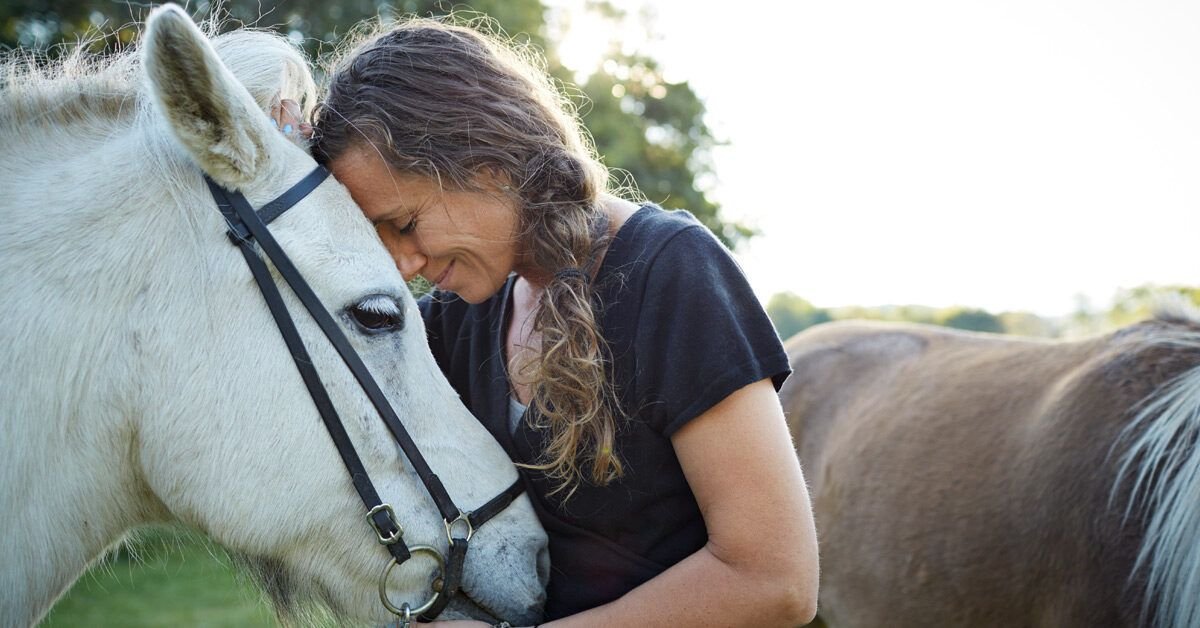
Anxiety disorders affect millions of people, manifesting as persistent worry, physical tension, hypervigilance, and deep emotional distress. While traditional talk therapy and medication offer relief for many, standard clinical office settings can sometimes feel restrictive or overly intellectualized. For individuals who find themselves stuck analyzing anxiety without achieving somatic or emotional release, experiential therapies offer a transformative path forward.
Equine-assisted therapy, also known as equine-assisted psychotherapy or horse therapy, has emerged as a powerful modality in mental health treatment. By stepping out of the office and into a farm or arena, participants interact with horses under the guidance of a licensed mental health professional. This approach leverages the unique biological and social nature of horses to help individuals uncover behavioral patterns, regulate nervous system responses, and process distress.
Importantly, equine therapy requires no prior horse experience and rarely involves horseback riding. Instead, sessions focus on ground-based interactions such as grooming, leading, and observing horse behavior. For anyone struggling with generalized anxiety, social anxiety, or trauma, working with horses provides a uniquely grounded pathway toward mental wellness and self-awareness.
What Equine-Assisted Therapy Is and How It Operates
Equine-assisted therapy is a goal-directed clinical treatment that incorporates horses into mental health care. Distinct from therapeutic riding, which focuses on physical rehabilitation or horsemanship, equine-assisted psychotherapy addresses emotional, psychological, and behavioral challenges. A typical treatment team consists of a licensed mental health clinician, a credentialed equine specialist, and therapy horses working together in a secure environment.
At the core of equine therapy is the biological nature of the horse. As prey animals, horses possess an extraordinary awareness of their surroundings. Their survival depends on detecting subtle changes in heart rate, muscle tension, breathing, and emotional energy in other creatures. Because horses lack human biases and social filters, they act as living biofeedback systems, responding honestly and immediately to human emotional states without judgment.
When an anxious person approaches a horse, internal stress is quickly reflected in the animal’s behavior. If an individual projects outward composure while feeling internal panic, the horse may step back or show restlessness. Conversely, as the individual practices grounding techniques and calms their nervous system, the horse visibly relaxes—lowering its head or stepping closer. This dynamic mirror helps patients recognize, accept, and adjust their emotional state in real time.
Key Clinical Benefits and Scientific Evidence
- Nervous System Regulation: Interacting with a calm horse down-regulates fight-or-flight responses, helping lower cortisol levels and baseline heart rate.
- Somatic Awareness: Being near a large animal demands total presence, anchoring participants in the moment and interrupting repetitive anxious thought loops.
- Healthy Boundaries: Guiding physical space with a horse teaches participants how to establish clear, firm, and peaceful boundaries.
- Reduced Avoidance: Overcoming fear around powerful animals builds real-world confidence, reducing social and trauma-related avoidance behaviors.
- Relational Trust: Forming a bond with an intuitive horse creates a secure template for vulnerability and trust in human relationships.
- Self-Efficacy: Successfully completing ground exercises with a horse fosters a sense of accomplishment and personal control.
Scientific research increasingly supports the physiological benefits of equine therapy. Studies evaluating heart rate variability and neurological activity indicate that tactile interactions with horses promote oxytocin release while calming sympathetic nervous system arousal. This physiological co-regulation creates a somatic sense of safety, allowing individuals with anxiety, panic disorder, or post-traumatic stress to process repressed emotions effectively alongside their therapist.
Practical Guide: What to Expect During a Session
Understanding what happens during an equine therapy session can help ease initial uncertainty and prepare you for a rewarding experience. Every session is tailored to your emotional readiness, comfort level, and treatment goals, ensuring a safe and supportive environment.
A typical session lasts 45 to 60 minutes and follows a structured flow. It begins with a brief check-in with your therapist to discuss your current anxiety levels and goals. You are then introduced to the horses. Initial activities are ground-based and might include watching the herd from outside the fence or learning how to approach a horse safely. As your comfort grows, activities expand to grooming, feeding, leading the horse through obstacles, or executing non-verbal trust exercises.
Your therapist acts as a facilitator throughout the session, observing the dynamic between you and the horse. They gently draw attention to physiological reactions, emotional shifts, or communication patterns as they happen. For example, if a horse stops moving when you feel anxious, the therapist may pause to help you explore what you are experiencing physically. Sessions conclude with a debriefing period to process insights and translate them into practical coping strategies for daily life.
How to Find and Prepare for the Right Equine Therapy Program
To experience the full clinical benefit of equine therapy, it is vital to select a certified program operating under recognized standards. Verifying credentials ensures both physical safety and professional therapeutic oversight.
Look for licensed mental health professionals—such as counselors, social workers, or psychologists—who hold specialized certifications in equine-assisted psychotherapy from accredited bodies. During your consultation, ask about their clinical background, safety protocols, experience treating anxiety, and session structure. Additionally, check whether their services are eligible for health insurance coverage or offered on a sliding fee scale, as policies vary widely.
Preparing for your session involves simple practical steps. Wear sturdy, closed-toe shoes or boots, long pants, and weather-appropriate layers suitable for outdoor arenas or barns. Mentally, approach the experience with patience and curiosity. Equine therapy is not about performing correctly or mastering equestrian skills; it is an exploration of self-awareness. Allow yourself to step back from expectations and remain present with the animal.
Frequently Asked Questions About Equine Therapy for Anxiety
What if I am afraid of horses or have no prior experience with them?
Prior experience with horses is completely unnecessary for equine-assisted therapy. In fact, having no background can be advantageous, as you enter without pre-existing assumptions. Experiencing apprehension around large animals is natural and provides valuable therapeutic material. Licensed equine therapists prioritize physical and emotional safety at all times and will never force you past your comfort zone. Sessions can begin at a distance, such as standing outside a fence, allowing you to build comfort and self-regulation skills gradually.
Do I need to ride the horse during equine therapy sessions?
No, mounted riding is rarely part of equine-assisted psychotherapy. Most equine therapy programs focus entirely on ground-based interactions, including grooming, leading, feeding, or observing herd dynamics. Ground work keeps humans and horses on equal physical ground, facilitating genuine non-verbal communication and personal reflection. Remaining on the ground allows you to focus clearly on body language, boundary setting, and emotional presence without the added physical demands or risks associated with riding.
How does equine therapy compare to traditional office-based talk therapy?
While traditional talk therapy relies on verbal analysis and cognitive reflection inside an office, equine therapy is an experiential, somatic approach. Anxiety frequently lives in the body and autonomic nervous system, making it challenging to address solely through verbal discussion. Equine therapy offers immediate, non-judgmental feedback through the horse’s responses, engaging your emotions and physical awareness simultaneously. It serves as an effective complementary therapy for individuals who feel stuck in talk therapy or struggle to process feelings verbally.
Equine-assisted therapy offers an innovative, effective approach to managing anxiety by bridging cognitive awareness and somatic healing. By inviting horses into the therapeutic process, individuals gain a compassionate, highly perceptive partner capable of reflecting their internal states. Through structured ground activities, reflection, and professional guidance, equine therapy turns abstract coping mechanisms into tangible physical practices.
If traditional office-based settings have proven insufficient for your anxiety management, equine therapy provides a meaningful alternative. Working alongside horses creates a grounded space to quiet anxious thoughts, build confidence, and foster emotional balance. Stepping into the barn may be the key step toward discovering lasting resilience and peace of mind.
Leave a Reply