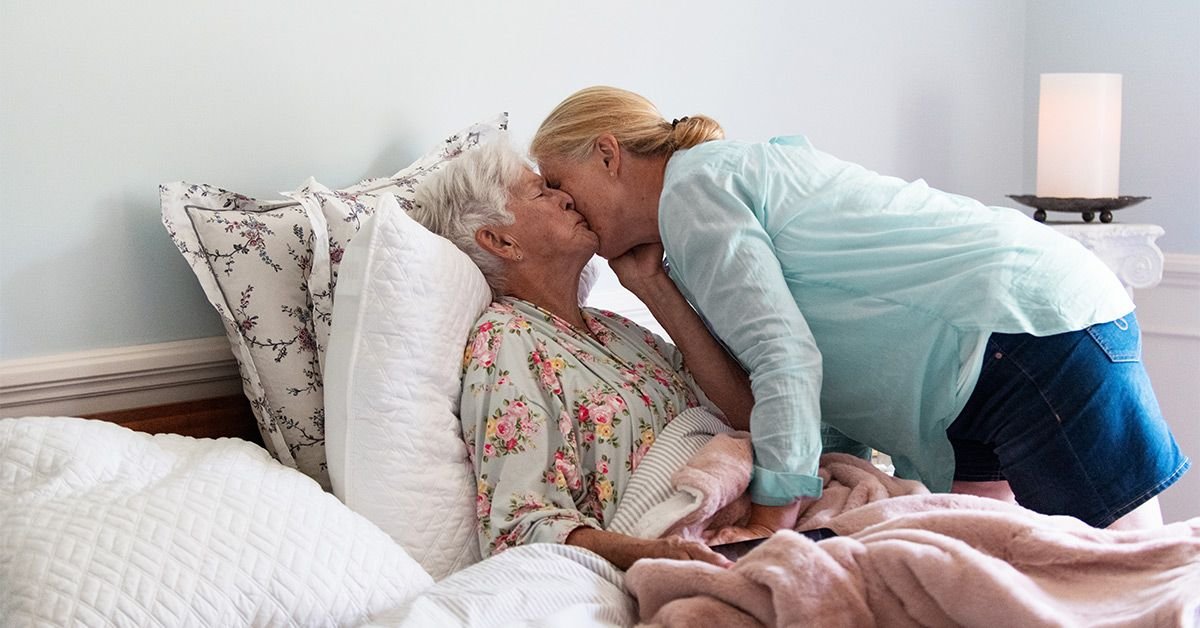
Navigating end-of-life care is one of the most poignant, complex, and emotionally charged experiences a person or family will ever encounter. As progressive medical conditions like Alzheimer’s disease, advanced heart failure, or late-stage cancer reach their final phases, the focus of care naturally shifts from curative treatments to comfort, bodily dignity, and emotional peace. Yet, many individuals and family caregivers feel overwhelmed by medical technicalities, care logistics, and the profound emotional strain accompanying this terminal stage of life.
In modern healthcare, two primary frameworks provide support during this transition: hospice care and death doula care (also referred to as end-of-life doula care). While both share a deep commitment to preserving dignity and reducing suffering during the dying process, they fulfill distinct roles. Hospice provides a clinical, insurance-backed medical team focused on physical comfort and pain management, whereas death doulas offer holistic, non-medical companionship, continuous emotional support, and legacy preparation.
Understanding the core differences between a death doula and hospice care empowers families to make informed choices that honor personal values and needs. Rather than acting as opposing options, these two supportive roles can seamlessly collaborate to build a comprehensive care network. This deep-dive exploration breaks down how hospice care and death doulas function individually, how their services compare, and how combining them provides complete physical, emotional, and spiritual comfort.
What It Is and How Each Option Works
To evaluate end-of-life options effectively, it is essential to examine the clinical scope, operational frameworks, and professional boundaries of both hospice care and death doula services. Hospice care is a specialized medical care model designed specifically for patients facing a terminal illness with an estimated life expectancy of six months or less. Once an individual elects hospice care, they formally transition away from curative treatments in favor of palliative measures focused entirely on symptom control and comfort.
Hospice operates through an interdisciplinary team of licensed healthcare professionals. This team usually includes a hospice physician, registered nurses, medical social workers, home health aides, non-denominational chaplains, and trained volunteers. The hospice nurse conducts regular home visits to monitor vital signs, assess discomfort, manage prescription drugs for pain relief and dyspnea, and arrange essential medical equipment like hospital beds or oxygen concentrators. Hospice care can be delivered in private residences, nursing facilities, assisted living communities, or dedicated inpatient hospice centers.
In contrast, a death doula serves as a non-medical practitioner dedicated to continuous physical, emotional, and spiritual support throughout the dying process. Similar to how a birth doula provides continuous non-clinical support to an expectant parent during labor, an end-of-life doula accompanies individuals and their loved ones through biological decline and grief. Death doulas do not perform medical procedures, administer pharmaceutical drugs, or issue medical advice. Instead, they fill crucial emotional and practical gaps, spending long periods at the bedside, facilitating family discussions, and curating peaceful environments.
Because death doulas operate independently of traditional medical systems, their services are generally self-funded, though non-profit volunteer programs exist. Their involvement can begin well before hospice eligibility—often right after a terminal diagnosis—and continues through active dying, immediate post-death family support, and early grief guidance.
Key Differences and Unique Benefits
- Medical Scope vs. Non-Medical Companionship: Hospice delivers formal medical treatment, clinical pain relief, and prescription management overseen by physicians and nurses. Death doulas deliver non-clinical emotional support, deep active listening, and continuous bedside presence.
- Time Allocation and Availability: Hospice staff visit on scheduled shifts or during medical emergencies. Death doulas offer extended, uninterrupted vigil care, remaining bedside for hours during the active dying phase to comfort the patient and relieve family caregivers.
- Focus on Legacy and Rituals: Death doulas specialize in creative legacy projects—such as writing memoirs, recording audio messages, or compiling photo histories—and helping families organize meaningful personalized end-of-life rituals.
- Insurance Coverage: Hospice care is a covered benefit under Medicare, Medicaid, and most private insurance plans, ensuring broad financial access. Death doula care is primarily a private-pay, out-of-pocket service offering flexible, non-regulated custom care arrangements.
- Timing of Services: Hospice typically requires a physician certification of six months or less to live. Death doulas can be hired months or years in advance to assist with advance care planning and emotional processing long before physical decline begins.
- Post-Mortem Support: While hospice offers structured grief support groups for family members up to a year after loss, death doulas offer hands-on assistance during the immediate hours following death, guiding home funeral care and family rituals.
The synergy between medical hospice care and holistic doula guidance establishes a complete protective system. Clinical studies show that combining aggressive pain management with comprehensive emotional support significantly reduces trauma and anxiety for both dying individuals and surviving relatives. While hospice stabilizes bodily distress, the doula preserves personal identity, spiritual comfort, and emotional connection.
How to Integrate a Death Doula with Hospice Care
Integrating a death doula into an existing hospice plan requires clear communication, defined boundaries, and early collaborative preparation. Begin by notifying your hospice care manager or social worker that you plan to hire an end-of-life doula. Most hospice providers enthusiastically welcome doula involvement because non-medical companions ease caregiver fatigue and enhance overall patient wellbeing.
Organize an alignment consultation involving the death doula, primary family caregiver, and lead hospice nurse. Clearly divide care tasks during this meeting: confirm that the hospice team maintains sole responsibility for medication schedules, medical evaluations, and clinical care, while the doula handles vigil shifts, emotional support, legacy work, and sensory comfort (such as soothing lighting, guided imagery, or music).
Step-by-Step Guide to Selecting End-of-Life Support
Selecting the best end-of-life support requires systematic evaluation of medical requirements, financial resources, and personal desires. Start by consulting the attending physician to establish hospice eligibility based on disease progression. If eligible, contact accredited local hospice agencies and compare their nurse-to-patient ratios, after-hours emergency response speeds, and specialized palliative services.
Next, determine if adding a death doula fits your emotional needs and budget. When interviewing prospective doulas, ask about professional training certifications (such as those from recognized end-of-life doula associations), experience with specific illnesses like advanced dementia, emergency vigil availability, and fee structures. Seek references and verify that their personal ethos matches your family’s beliefs.
Finally, draft an integrated end-of-life plan that records all advance directives, physical preferences, legacy projects, and emergency contacts. Distribute complete copies to family members, healthcare proxies, hospice nurses, and the death doula to ensure every caregiver works in total alignment.
Frequently Asked Questions
Can a death doula replace medical hospice care?
No, a death doula cannot replace medical hospice care. Death doulas are non-medical professionals and are not legally permitted to diagnose medical conditions, administer medications, adjust drug dosages, or manage severe physical symptoms. Hospice care provides indispensable medical infrastructure, professional nursing care, and physician oversight required for safe symptom control. A death doula is designed to work alongside hospice, enhancing emotional and practical support.
Is a death doula covered by Medicare or private insurance?
Currently, death doula services are not covered by Medicare, Medicaid, or standard health insurance policies. Because doulas provide non-medical holistic care outside formal healthcare networks, their fees are typically paid out-of-pocket by the individual or family. However, some non-profit community organizations offer pro-bono or sliding-scale doula services. In contrast, hospice care is fully covered by Medicare Part A and most private insurers.
When is the best time to hire an end-of-life doula?
You can hire an end-of-life doula at any point following a terminal diagnosis, even long before active physical decline begins. Early engagement enables the doula to build rapport with the individual and family, assist with advance care directives, facilitate open discussions about end-of-life preferences, and execute legacy projects while the individual retains full energy and cognitive clarity.
Final Takeaway: Creating a Peaceful End-of-Life Journey
Approaching the end of life demands both expert clinical care and gentle human empathy. While hospice care provides the crucial medical foundation to ensure relief from physical pain and bodily distress, a death doula enriches the emotional, spiritual, and personal dimensions of the dying process. Together, these complementary resources form an all-encompassing safety net that upholds human dignity.
By understanding the unique contributions of both hospice professionals and end-of-life doulas, families can make empowered decisions that honor individual preferences. Blending medical expertise with holistic bedside companionship transforms a challenging journey into a deeply meaningful, peaceful transition for everyone involved.
Leave a Reply