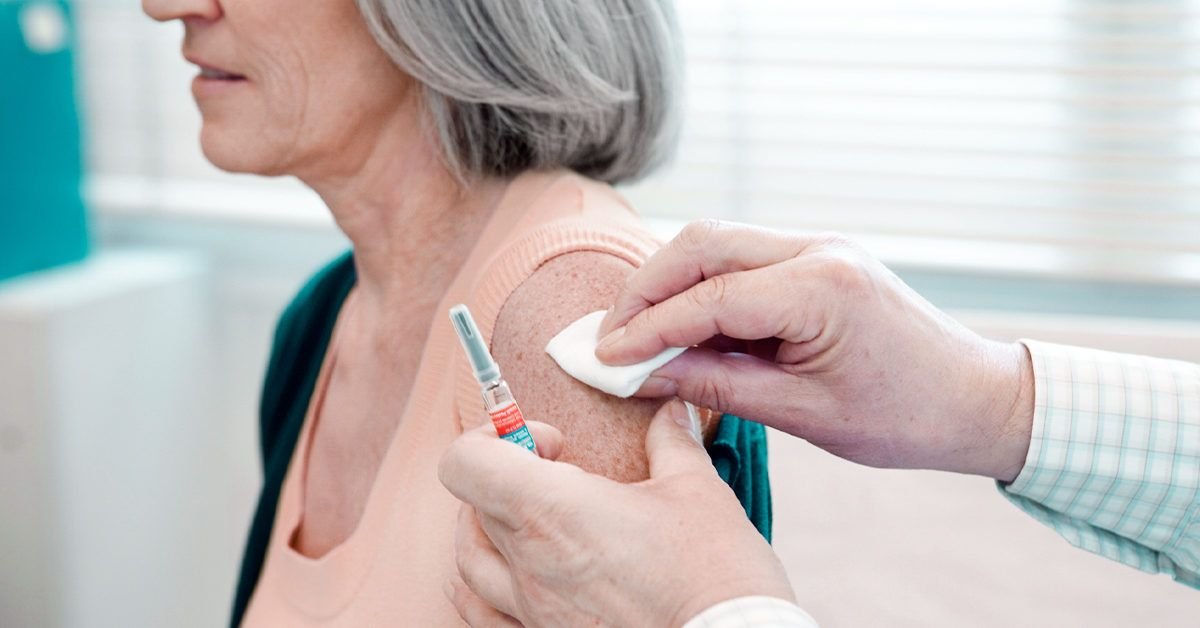
Pneumonia remains one of the most serious and potentially life-threatening respiratory infections affecting older adults. Caused frequently by the bacterium Streptococcus pneumoniae, pneumococcal disease can rapidly escalate from mild respiratory discomfort to severe pulmonary inflammation, dangerous bloodstream infections, or invasive meningitis. For seniors aged 65 and older, maintaining up-to-date immunizations is a crucial pillar of preventive healthcare, offering robust protection against circulating bacterial strains.
Navigating health insurance coverage for preventive immunizations can sometimes feel overwhelming, but understanding how Medicare handles the pneumonia vaccine is remarkably straightforward once you break down the program components. Fortunately, Medicare places a strong emphasis on preventive health, ensuring that beneficiaries can access life-saving immunizations without burdening their personal finances. Whether you are enrolled in Original Medicare or a Medicare Advantage plan, receiving your recommended pneumococcal shots is generally fully covered when proper rules are followed.
In this comprehensive guide, we explore everything you need to know about Medicare coverage for pneumonia vaccines. From understanding the differences between vaccine types to navigating Original Medicare Part B, Medicare Advantage Part C, and prescription drug plans under Part D, this article provides an actionable roadmap to help you secure complete zero out-of-pocket preventive care.
What Pneumococcal Disease Is and How Vaccines Work
Pneumococcal disease refers to any infection caused by Streptococcus pneumoniae bacteria. These microscopic organisms spread easily from person to person through respiratory droplets generated when an infected individual coughs or sneezes. While anyone can contract a pneumococcal infection, adults aged 65 and older—as well as individuals with chronic conditions like diabetes, heart disease, or chronic obstructive pulmonary disease (COPD)—face elevated risks of severe complications, prolonged hospitalization, and long-term health decline.
Modern medicine offers two main categories of vaccines to combat these bacteria: pneumococcal conjugate vaccines (PCV15 and PCV20) and pneumococcal polysaccharide vaccines (PPSV23). Conjugate vaccines chemically link bacterial sugars to protein carriers, producing strong, lasting immune memory. Polysaccharide vaccines stimulate antibody production against a broader array of bacterial strains. According to updated clinical recommendations from the Centers for Disease Control and Prevention (CDC), adults aged 65 and older who have not previously received a conjugate vaccine should receive either a single dose of PCV20 or a single dose of PCV15. If PCV15 is administered, it must be followed by a complementary dose of PPSV23—typically scheduled one year later—to establish comprehensive protection against up to 23 distinct serotypes.
Key Benefits, Health Evidence, and Common Symptoms
Understanding why health officials strongly emphasize pneumococcal vaccination requires examining both the protective clinical benefits of immunization and the severe risks associated with bacterial infection. Clinical trials consistently demonstrate that pneumococcal immunizations drastically reduce serious health complications in older adults.
- Significant Reduction in Hospitalization: Recommended pneumococcal vaccines lower the likelihood of developing invasive pneumococcal disease, such as bacteremia or pneumococcal meningitis, which carry high mortality rates in seniors.
- Zero Out-of-Pocket Expense: Eligible Medicare beneficiaries pay $0 in copayments, coinsurance, or deductibles for recommended pneumonia shots when using approved providers.
- Durable, Long-Lasting Immunity: Unlike annual seasonal flu shots, pneumococcal vaccines offer long-term protection, frequently requiring only one or two doses after reaching age 65.
- Synergistic Respiratory Defense: Immunization provides crucial protection during viral respiratory seasons, reducing the risk of dangerous secondary bacterial infections following influenza or COVID-19.
Recognizing the symptoms of pneumococcal pneumonia early leads to faster medical intervention and better health outcomes. Common symptoms include a sudden onset of high fever, shaking chills, chest pain that worsens with deep breathing or coughing, shortness of breath, and a cough producing rusty or greenish phlegm. In older adults, classic fever symptoms may be absent; instead, pneumonia can manifest as sudden mental confusion, disorientation, lethargy, or below-normal body temperature. Extensive clinical evidence confirms that being fully vaccinated reduces the severity of these symptoms if breakthrough infection occurs, preventing intensive care admissions and protecting physical independence.
Navigating Medicare Part B, Part C, and Part D Coverage Rules
To avoid unexpected medical bills when receiving your pneumonia vaccine, it is crucial to understand how Medicare structures coverage across its different divisions. Under Original Medicare, preventive immunizations like the pneumonia vaccine are explicitly covered under Medicare Part B (Medical Insurance) rather than Part D (Prescription Drug Coverage). This classification is extraordinarily beneficial for beneficiaries. While standard Medicare Part B services require an annual deductible and a 20% coinsurance fee, preventive services—including pneumococcal, flu, and hepatitis B vaccines—are fully exempt from both deductible and coinsurance payments.
To qualify for $0 out-of-pocket costs under Original Medicare Part B, you must receive your vaccine from a doctor, clinic, or pharmacy that accepts Medicare assignment. Providers who accept assignment agree to accept the Medicare-approved amount as full payment, ensuring you owe nothing for either the vaccine serum or its professional administration. If you belong to a Medicare Advantage (Part C) plan, federal rules mandate that your plan cover all Original Medicare Part B preventive services without charging copayments or deductibles. However, Medicare Advantage plans utilize network restrictions. To guarantee zero cost, you must receive your pneumonia vaccine from an in-network provider or pharmacy. Standalone Medicare Part D plans do not handle pneumonia vaccine claims because Part B retains primary responsibility, ensuring that even beneficiaries without Part D prescription coverage remain fully protected.
Step-by-Step Practical Guide to Getting Your Pneumonia Vaccine
Securing your Medicare-covered pneumonia vaccine is a straightforward process when following a clear, step-by-step approach. Taking a proactive stance ensures seamless scheduling and eliminates any accidental out-of-pocket billing.
Step 1: Check Your Immunization Records. Gather any records of past pneumococcal vaccines you have received, such as PPSV23 or PCV13. Contact your primary care provider’s office to confirm your historical vaccination status and note exact dates.
Step 2: Consult Your Physician or Pharmacist. Discuss your immunization plan with your doctor or local pharmacist to identify which CDC-recommended option fits your health profile—either a single dose of PCV20 or a two-step regimen starting with PCV15 followed by PPSV23.
Step 3: Confirm Provider Status and Billing. Before receiving the injection, confirm that your provider or retail pharmacy accepts Medicare assignment (for Original Medicare) or is in-network (for Medicare Advantage). Most major retail pharmacies accept Part B billing directly on site.
Step 4: Receive Your Shot and Schedule Follow-Ups. Obtain your vaccination, request an updated copy of your immunization record, and set a calendar reminder for 12 months later if you received PCV15 and require a mandatory follow-up PPSV23 booster shot.
Frequently Asked Questions (FAQ)
How much will I pay out of pocket for a pneumonia shot under Original Medicare?
Under Original Medicare Part B, you will pay exactly $0 out of pocket for a CDC-recommended pneumonia vaccine, provided your healthcare provider or facility accepts Medicare assignment. The annual Part B deductible and standard 20% coinsurance do not apply to covered preventive vaccines. This zero-cost rule covers both the price of the vaccine dose itself and any professional administration fee.
Can I get my Medicare-covered pneumonia vaccine at a local retail pharmacy?
Yes, many retail pharmacies participate in Medicare Part B billing and can administer pneumococcal vaccines at zero cost to beneficiaries. Before receiving your shot at a pharmacy, verify that the facility accepts Medicare Part B assignment (if you have Original Medicare) or is part of your plan’s approved provider network (if you have Medicare Advantage). Present your Medicare card prior to receiving the injection to ensure proper billing.
Do I need to get a pneumonia vaccine every single year like the influenza shot?
No, pneumococcal vaccines do not require annual administration like the seasonal flu vaccine. For the vast majority of seniors aged 65 and older, complete immunologic protection is achieved through either a single dose of PCV20 or a two-dose series of PCV15 followed by PPSV23 one year later. Once you complete the CDC-recommended series for older adults, routine annual boosters are not required unless specific underlying conditions prompt your physician to advise additional doses.
Conclusion and Final Takeaway
Protecting yourself against pneumococcal pneumonia is one of the most effective and empowering measures you can take to maintain your health, vitality, and independence as you age. Pneumonia is a serious, debilitating illness that can lead to unexpected hospitalizations and severe long-term complications. Fortunately, modern pneumococcal conjugate and polysaccharide vaccines provide exceptionally strong, multi-year defense against the specific bacterial strains responsible for these dangerous infections.
Medicare makes accessing these essential immunizations simple and financially risk-free by covering 100% of the cost under Part B and Medicare Advantage. By confirming your provider’s Medicare assignment or network status and reviewing your immunization history with your doctor or pharmacist, you can easily obtain your recommended shots at $0 out-of-pocket cost. Do not wait for respiratory illness to strike—take charge of your preventive health today by scheduling your Medicare-covered pneumonia vaccination.
Leave a Reply