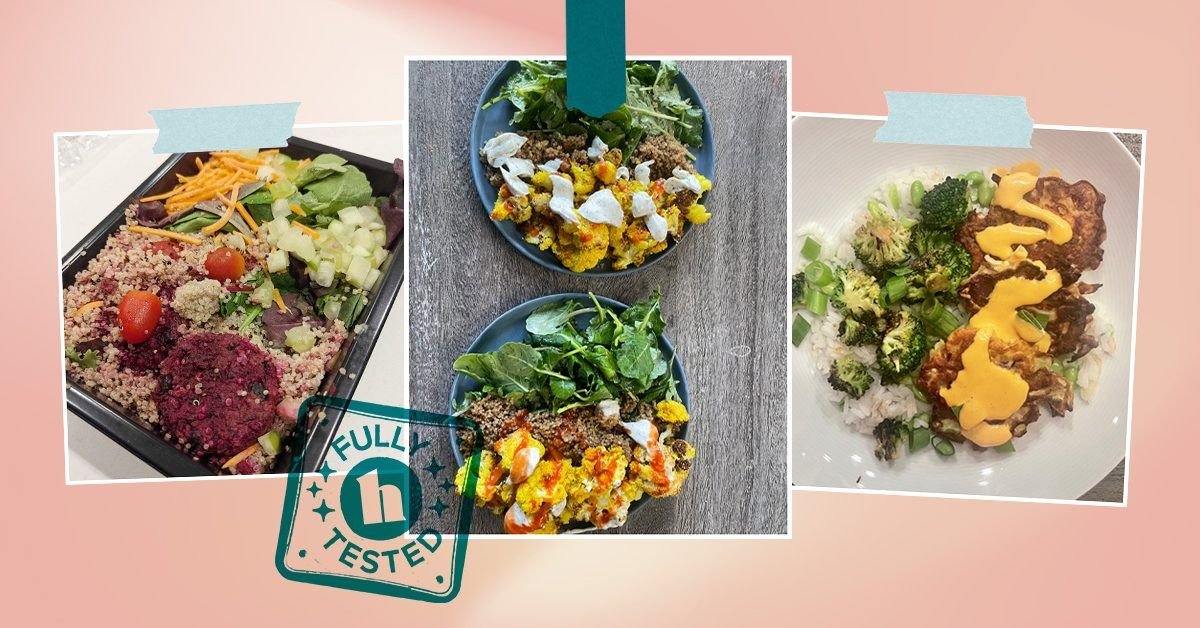
Adopting a plant-forward or strictly vegan diet is one of the most effective strategies for improving cardiovascular health, enhancing gut microbiome diversity, and lowering personal environmental impact. However, transitioning from conventional dietary patterns to a wholesome, plant-rich lifestyle often poses practical daily hurdles. Complex meal planning, tedious grocery shopping, and the challenge of crafting nutritionally balanced, flavor-packed dishes from scratch can easily lead to culinary fatigue.
Enter the modern landscape of plant-based meal delivery services. Over the past decade, these services have evolved far beyond basic salad subscriptions into sophisticated culinary platforms that deliver chef-curated, nutrient-dense meals directly to your door. Whether you are seeking quick heat-and-eat dishes for busy workdays or pre-portioned meal kits that teach you inventive cooking techniques, plant-focused delivery services eliminate daily friction while keeping optimal health at the forefront.
In this comprehensive deep dive, we explore how plant-based meal services operate, analyze their evidence-based health advantages, evaluate leading options across key lifestyle needs, and provide a clear framework for selecting the service that aligns perfectly with your wellness goals, budget, and dietary requirements.
What It Is & How It Works
Plant-based meal delivery services are specialized subscription programs designed to provide fully prepared meals or ready-to-cook meal kits direct to consumers. Unlike traditional food delivery platforms that focus on fast-food convenience, these services prioritize functional nutrition, culinary diversity, and high-quality sourcing. They cater to a broad spectrum of eaters, ranging from strict vegans to flexitarians looking to increase their weekly vegetable intake.
These platforms generally operate on two primary service models. The first is ready-to-eat prepared meals, which require zero cooking and minimal cleanup. Fresh or flash-frozen, chef-crafted meals arrive in insulated packaging and can be reheated in a microwave, toaster oven, or skillet within minutes. This model is ideal for time-strapped professionals, individuals managing strict dietary protocols, or anyone seeking precise portion control. The second model is interactive meal kits, which contain pre-portioned raw ingredients paired with step-by-step recipe cards. They allow subscribers to prepare fresh dishes at home without the hassle of measuring or grocery shopping. Meal kits are particularly beneficial for home cooks wanting to expand their culinary repertoire, discover new plant protein preparations, and reduce food waste.
Beyond basic convenience, top-tier services place a heavy emphasis on nutritional balance. Culinary teams collaborate with registered dietitians to ensure dishes supply adequate dietary fiber, clean plant proteins, essential fatty acids, and key micronutrients such as iron, magnesium, and essential vitamins through fortified ingredients or whole-food sources.
Key Benefits, Symptoms, or Evidence
Shifting toward a diet rich in whole, plant-derived foods offers profound physiological benefits that are widely documented in clinical literature. Plant-based meal delivery services act as a practical catalyst for these health outcomes by removing the cognitive load of nutritional planning and meal preparation.
- Cardiovascular and Metabolic Health Enhancement: Diets rich in whole grains, legumes, vegetables, and seeds consistently correlate with reduced LDL cholesterol levels, improved blood pressure regulation, and enhanced insulin sensitivity. Services focusing on whole, unrefined plants provide abundant soluble fiber and antioxidants that support long-term metabolic stability.
- Optimized Gut Microbiome Diversity: The human gut thrives on dietary variety. Specialized plant-based subscriptions deliver dozens of distinct plant species weekly—ranging from sea vegetables and root tubers to diverse ancient grains—fostering a robust and resilient gut microbiome.
- Effective Weight Management and Satiety: Whole plant foods possess a low energy density paired with high fiber and water content. Fully prepared, portion-controlled services help individuals maintain targeted caloric intake without experiencing severe hunger or nutritional shortfalls.
- Exceptional Quality and Overall Excellence: Premier options like Purple Carrot lead the industry by combining top-tier whole-food nutrition, organic sourcing, and inventive menus that make plant-centric eating consistently exciting and effortless.
- Whole-Food and Organic Standards: Services such as Sprinly and Green Chef emphasize USDA-certified organic produce and unrefined ingredients, minimizing synthetic pesticide exposure while maximizing micronutrient density in every single serving.
- Tailored Weight-Loss and Athletic Fueling: Options like Trifecta Nutrition deliver macros-focused, clean plant-based meal plans designed specifically for lean muscle preservation, weight loss, and athletic recovery.
- Specialized Allergen-Free Options: Platforms such as Splendid Spoon offer strictly vegan and gluten-free prepared meals, catering to individuals with coeliac disease or severe gluten sensitivities without sacrificing flavor.
- Family-Scale Dining Convenience: Brands like Mosaic Foods bridge the gap for larger households by providing multi-serving, vegetable-packed frozen bakes and comfort dishes that make feeding families healthy meals stress-free.
By integrating these structured meal solutions into your weekly routine, you eliminate the temptation of impulsive fast-food choices and establish consistent, health-promoting nutritional habits over time.
How to Choose the Right Plant-Based Meal Delivery
Selecting the ideal plant-based service requires evaluating your unique lifestyle, health goals, and schedule. Start by auditing your primary motivation: Are you attempting to adopt a 100% vegan lifestyle, manage a medical condition, lose weight, or simply incorporate more vegetables into your weekly rotation?
First, determine whether you need prepared meals or meal kits. If you have less than 10 minutes for meal preparation during busy weekdays, prepared meal delivery services offer maximum efficiency. However, if you enjoy cooking and want to learn how to prepare diverse plant proteins like tempeh, seitan, or jackfruit, meal kits provide valuable hands-on culinary education.
Second, review strict dietary requirements and allergen transparency. If you must avoid gluten, dairy, soy, or nuts, ensure the delivery service operates out of dedicated allergen-free facilities or provides clear labeling on every meal. For those prioritizing organic agriculture, platforms offering certified organic produce ensure your food is grown without synthetic pesticides or fertilizers.
Finally, calculate the true cost per serving. Prices typically range from $6 to $17 per meal depending on volume, ingredients, and organic status. Compare these prices against your standard weekly grocery bill and restaurant spending to find a service that delivers exceptional nutritional value within your budgetary bounds.
Maximizing Health and Flavor from Delivered Meals
To extract maximum health benefits and flavor from your delivered meals, minor custom additions can significantly boost nutritional bioavailability and culinary satisfaction. Even chef-crafted meals can be tailored to meet elevated physical demands or specific micronutrient needs.
To optimize nutrient absorption, combine plant foods strategically. Plant-derived non-heme iron—found in spinach, lentils, and beans—is absorbed far more effectively when paired with vitamin C. Squeezing fresh lemon juice over your meal or adding fresh bell pepper slices elevates iron uptake dramatically. Similarly, fat-soluble vitamins (A, D, E, and K) require healthy fats for optimal assimilation; consider adding a quarter of an avocado, a sprinkle of hemp seeds, or a drizzle of cold-pressed extra virgin olive oil to low-fat prepared dishes.
Additionally, watch for hidden sodium and processed protein isolates. While high-quality plant-based delivery services emphasize whole foods, some prepared meals utilize elevated salt levels for preservation and flavor retention. Counterbalance higher sodium intakes by drinking plenty of water and pairing meals with extra fresh greens or steamed cruciferous vegetables. Always inspect ingredient panels to prioritize services that emphasize intact legumes, nuts, seeds, and whole grains over heavily processed meat substitutes.
Frequently Asked Questions – FAQ
What is the difference between plant-based, vegan, and vegetarian meal delivery?
A plant-based meal service focuses primarily on whole foods derived from plants, such as vegetables, fruits, legumes, nuts, seeds, and whole grains, though some non-strict options may occasionally include minimal animal products. A vegan meal delivery service strictly excludes all animal-derived ingredients, including meat, seafood, dairy, eggs, honey, and animal byproducts. A vegetarian service excludes animal flesh (meat and seafood) but may include dairy and eggs. Always check the service menu filters to ensure compliance with your specific dietary boundaries.
Can plant-based meal delivery services support athletic performance and muscle building?
Yes, plant-based meal delivery services can fully support athletic performance, muscle synthesis, and recovery. High-protein plant-based services craft meals using protein-dense whole foods like lentils, chickpeas, organic tofu, tempeh, hemp seeds, and ancient grains like quinoa. These combinations provide complete amino acid profiles necessary for tissue repair, while high antioxidant levels in plant foods help attenuate exercise-induced systemic inflammation.
Are plant-based meal kits cost-effective compared to standard grocery shopping?
While meal delivery services generally carry a higher price per serving than buying raw supermarket ingredients in bulk, they significantly cut down on implicit costs. Delivery services eliminate food waste by providing exact ingredient portions, save hours spent on meal planning and grocery shopping, and lower the frequency of expensive restaurant dining. For many individuals, the time savings, consistency, and reduced food spoilage offset the higher per-meal expense.
Conclusion / Final Takeaway
Transitioning to a plant-centric lifestyle no longer requires endless hours of meal planning, prep work, or repetitive culinary choices. Modern plant-based meal delivery services bridge the gap between rigorous dietary quality and everyday convenience, offering tailored solutions for every household, schedule, and palate. By providing expertly balanced, nutrient-dense dishes direct to your doorstep, these platforms empower you to nourish your body while upholding your health and environmental values.
Whether your goal is to explore creative vegan cuisine, streamline your weekday schedule, or support metabolic health through whole, unrefined foods, there is a dedicated plant-based service designed to meet your needs. By selecting a platform aligned with your health goals and incorporating simple nutritional optimizations, you can enjoy vibrant, delicious, plant-first dining every day of the week.
Leave a Reply