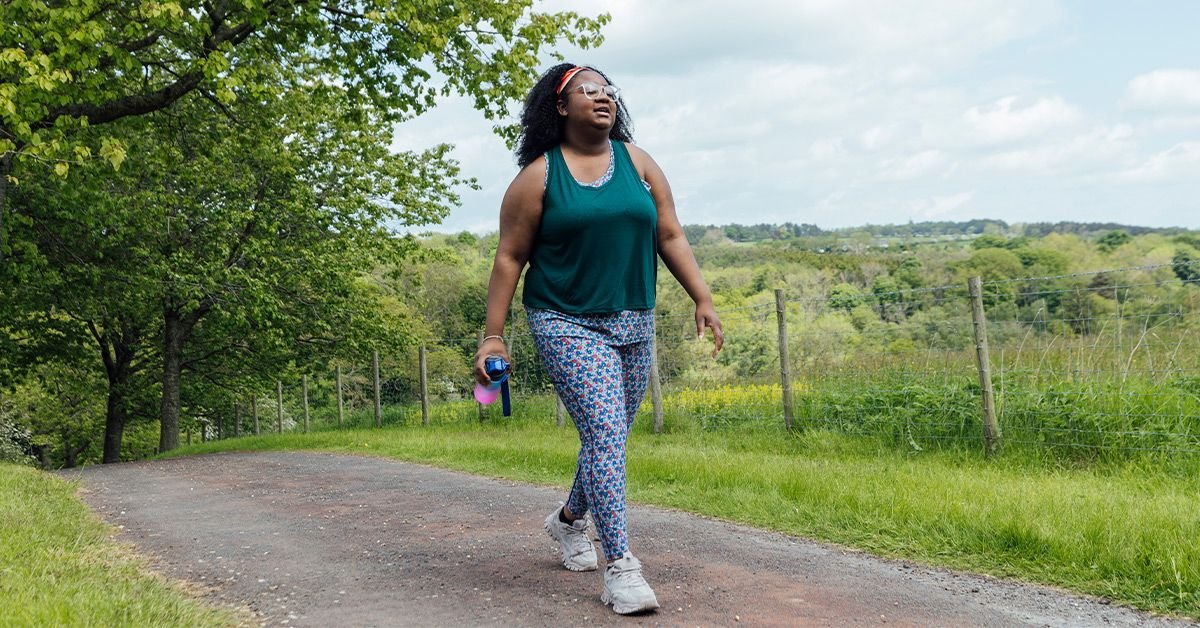
In recent years, social media feeds have been inundated with a relentless stream of intense fitness challenges, ranging from grueling high-intensity interval training protocols to restrictive dietary regimens. While many of these viral trends promise rapid physical transformations, they frequently prove unsustainable for the average person, often culminating in chronic fatigue, elevated stress levels, or overuse injuries. Amidst this backdrop of high-impact fitness culture, a remarkably balanced approach to physical conditioning has captured widespread attention: the 6-6-6 walking trend. This accessible exercise routine emphasizes structure, habit formation, and sustainable aerobic conditioning, offering a powerful antidote to modern sedentary lifestyles.
Walking has long been recognized by exercise physiologists and public health researchers as one of the most effective, evidence-based interventions for preventive health. It requires no costly studio memberships or specialized equipment, presents a minimal barrier to entry, and carries a very low risk of physical trauma. However, structuring a daily walking routine in a manner that optimizes calorie burning, enhances cardiovascular endurance, and seamlessly integrates into a demanding work schedule can present a practical challenge. The 6-6-6 protocol addresses this by wrapping simple, time-tested guidelines around a scientifically supported session duration.
Whether your goal is to shed extra body fat, strengthen your heart, or establish a restorative mental sanctuary amid a chaotic workday, understanding the mechanics of the 6-6-6 walking protocol can help you determine if it fits your lifestyle. In this deep-dive guide, we will break down the precise framework of the workout, analyze the underlying metabolic processes, examine its primary health rewards, and provide actionable strategies for building a safe, lasting routine.
What It Is & How It Works
At its core, the 6-6-6 walking workout is a structured 60-minute cardiovascular session organized around three simple numerical anchors. The first "6" refers to the recommended scheduling time: initiating your walk at either 6:00 a.m. or 6:00 p.m. Setting a firm daily time slot helps individuals create a reliable behavioral habit, bypassing the constant scheduling conflicts that so often derail exercise plans during middle-of-the-day hours.
The second "6" represents a dedicated 6-minute warm-up phase conducted at a slow, gentle pace. This preliminary period gradually raises core body temperature, promotes joint lubrication through synovial fluid movement, and gently primes the heart rate for higher output. The final "6" signifies a 6-minute cool-down phase at the conclusion of the hour, which aids in blood pressure stabilization, facilitates the clearance of metabolic waste, and safely brings your cardiovascular system back to a baseline resting state.
Sandwiched between these initial and final buffers is a 48-minute main walking block performed at a brisk, energetic pace. During this central phase, walkers aim to keep their effort within moderate intensity—often referred to as Zone 2 heart rate training, which spans approximately 60% to 70% of an individual's maximum heart rate. Exercising at this precise intensity prioritizes fat oxidation, meaning the body relies predominantly on stored triglycerides rather than circulating carbohydrates for energy. This structural balance allows the 6-6-6 walking trend to deliver robust metabolic improvements without triggering excessive joint wear or systemic exhaustion.
Key Benefits, Symptoms, or Evidence
Committing to a regular, structured regimen like the 6-6-6 walking protocol yields widespread physical and cognitive dividends supported by extensive clinical research. By completing a full 60-minute session, participants easily meet and exceed the standard physical activity guidelines recommended by global health organizations, which advise at least 150 to 300 minutes of moderate-intensity aerobic movement every week.
- Enhanced Fat Oxidation: Sustained brisk walking within Zone 2 maximizes the rate at which skeletal muscle mitochondria burn body fat for fuel, supporting long-term weight management without provoking the extreme appetite spikes linked to high-intensity workouts.
- Cardiovascular Strengthening: Daily brisk walking lowers vascular resistance, reduces resting heart rate, and enhances arterial flexibility, significantly decreasing the risk of hypertension, stroke, and coronary heart disease.
- Improved Glucose Regulation: Muscle contraction during walking stimulates non-insulin-dependent glucose transport, helping lower post-meal blood sugar surges and improving long-term systemic insulin sensitivity.
- Low Joint Impact: Unlike running, plyometrics, or contact sports, walking exerts lower peak ground reaction forces on knees, hips, and lower back structures, making it suitable for older adults and those recovering from joint strain.
- Stress Reduction and Mental Clarity: Aerobic exercise encourages the release of neuroprotective growth factors and endorphins while lowering systemic cortisol levels, offering tangible relief from daily stress and generalized anxiety.
- Bone Density Support: As a light weight-bearing activity, regular walking places beneficial gravitational load on long bones, stimulating bone-remodeling cells and helping preserve skeletal strength over time.
- Circadian Rhythm Optimization: Morning walks around 6:00 a.m. expose the retina to natural daylight, which helps reset the master internal clock, regulates nighttime melatonin synthesis, and promotes deeper sleep quality.
- Lower Mortality Risk: Long-term epidemiological research consistently links achieving higher daily step counts—such as the 7,000 to 10,000 steps yielded by a 60-minute walk—with a substantial drop in overall all-cause mortality rates.
The combination of manageable physical stress and significant physiological adaptation makes the 6-6-6 framework uniquely effective. Because brisk walking demands reasonable recovery times, practitioners can stay consistent day after day without running into the overtraining risks common to more aggressive routines.
Practical Actionable Guide: Footwear and Form
To launch your 6-6-6 walking routine safely and comfortably, paying attention to equipment and biomechanics is critical. The foundation of any successful walking program is proper footwear. Look for running or dedicated walking shoes that provide firm arch support, a cushioned heel counter, and a flexible forefoot. Ensure there is approximately half an inch of room between your longest toe and the end of the shoe box, which accounts for the subtle foot expansion that naturally occurs during long walks. Additionally, choose moisture-wicking synthetic or wool-blend socks over standard cotton to reduce friction and minimize blister formation.
When stepping out on your route, maintain an upright, neutral posture. Keep your head lifted, gaze forward approximately 10 to 20 feet ahead, and let your shoulders drop away from your ears. Engage your core muscles lightly to support your lower back. Avoid taking excessively long strides, which can create unnecessary braking forces and strain your hamstrings or shins; instead, aim for a quick, comfortable footfall where your heel strikes gently and rolls smoothly through to the toes. Let your arms swing naturally from the shoulder joints at roughly a 90-degree angle to help drive your pace forward.
Practical Actionable Guide: Pacing and Progression
If you are transitioning from a mostly sedentary routine, attempting a full 60-minute brisk walk immediately can lead to muscular soreness or foot fatigue. A safer approach is to apply progressive overload over three to four weeks. Begin with a scaled 30-minute version of the routine—utilizing a 3-minute warm-up, 24 minutes of brisk walking, and a 3-minute cool-down. Gradually add 5 to 10 minutes to the middle brisk phase each week until you comfortably complete the full 48-minute core duration.
To evaluate whether you are moving at the appropriate Zone 2 intensity during your walk, perform the simple "talk test." You should be moving fast enough that your breathing rate is elevated and speaking in continuous, long sentences requires slight concentration, but not so fast that you are gasping for air. If you wish to challenge your cardiovascular system further without increasing impact, consider incorporating subtle elevation gains into your route, such as outdoor hills or setting a treadmill incline to 2% or 3%. Always stay hydrated by drinking a glass of water before heading out, particularly during warm morning or evening hours.
Frequently Asked Questions – FAQ
Do I have to strictly walk at 6 AM or 6 PM for this protocol to work?
No, the timing elements of the 6-6-6 method serve primarily as practical anchors to help build behavioral consistency rather than strict physiological requirements. While walking at 6:00 a.m. provides early sun exposure that aids circadian rhythm regulation, and walking at 6:00 p.m. can serve as a stress-relieving buffer between work and evening rest, the caloric burn and cardiovascular benefits remain virtually identical regardless of when you complete the session. Choose the time slot that best fits your daily schedule and personal energy levels.
Can walking 60 minutes every day cause overtraining or joint issues?
For most healthy adults, 60 minutes of daily brisk walking is well within the body's natural recovery capacity and poses minimal risk of central nervous system exhaustion or overuse injuries. Because walking is low-impact, it places far less strain on connective tissues than running or jumping exercises. However, if you experience localized foot pain, shin soreness, or joint ache, it is wise to insert a rest day, assess your shoe cushioning, or break up the 60 minutes into two 30-minute segments throughout the day.
How does the 6-6-6 walking routine compare to running for fat loss?
While running burns more calories per minute due to higher cardiovascular demands, it also requires significantly longer recovery periods and imposes high impact stress on joints. The 6-6-6 walking method burns a substantial total number of calories across its 60-minute duration while deriving a higher proportion of those calories directly from stored body fat reserves. Additionally, because walking creates far less systemic fatigue and hunger stimulation than high-intensity running, many individuals find it easier to maintain the overall energy deficit required for sustainable weight management.
Conclusion / Final Takeaway
The 6-6-6 walking trend demonstrates that achieving meaningful weight management and cardiovascular improvements does not require punishing, extreme workouts. By organizing a 60-minute walk with clear warm-up and cool-down buffers at fixed morning or evening intervals, this protocol provides a manageable, realistic pathway away from a sedentary lifestyle. It delivers the perfect blend of structural guidance and low-impact execution, making it suited for fitness enthusiasts of all ages and abilities.
Ultimately, long-term health transformations are built on sustainable habits rather than fleeting, high-intensity efforts. Adopting the 6-6-6 walking routine can lower blood pressure, optimize blood sugar levels, brighten mental outlook, and support healthy body composition over time. By putting on supportive shoes, honoring your chosen walk time, and maintaining an energetic pace, you can take a powerful, proactive step toward long-term vitality.
Leave a Reply