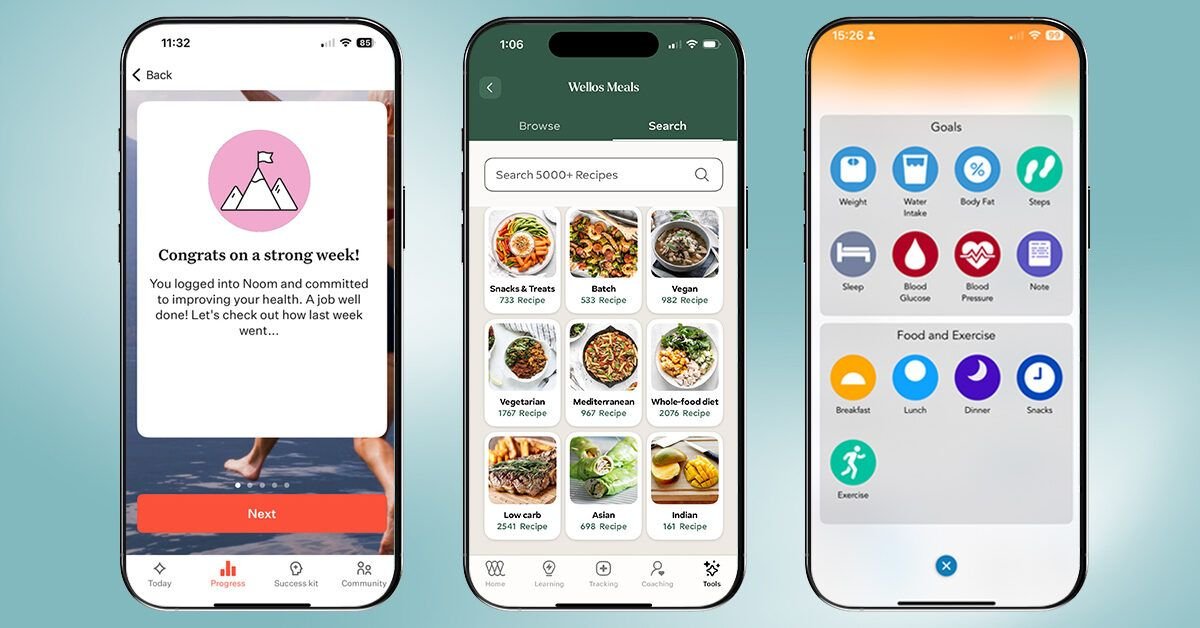
Managing body weight in the modern digital age has evolved far beyond traditional paper food journals and rigid pen-and-paper workout logs. Today, mobile technology leverages sophisticated algorithms, artificial intelligence, interactive databases, and human coaching to transform personal wellness directly from our smartphones. Whether you aim to lose weight, build lean muscle mass, optimize metabolic health, or simply understand your daily dietary patterns, digital nutrition applications provide accessible tools to help you reach your goals.
While digital weight management applications offer unprecedented convenience, their true effectiveness relies on a fundamental principle: consistent engagement coupled with sustainable lifestyle modifications. Behavioral science consistently demonstrates that tracking dietary intake, monitoring physical activity, and reflecting on eating habits significantly improves weight loss outcomes and long-term maintenance. Rather than operating as quick fixes or restrictive mandates, modern wellness apps act as powerful educational mirrors that highlight hidden calorie sources, identify emotional triggers, and foster mindful eating behaviors.
However, navigating the vast ecosystem of digital health applications can feel overwhelming. With hundreds of platforms offering contrasting methodologies—from strict macro tracking and cognitive behavioral coaching to intuitive eating and live telehealth consultations with registered dietitians—finding the tool that matches your psychological relationship with food and unique daily schedule is essential. Exploring how these digital tools operate and identifying the evidence-based strategies behind them can empower you to select the ideal platform for your personal health journey.
Understanding Digital Weight Management Applications
At their core, weight loss applications are comprehensive digital health platforms designed to streamline nutrition tracking, physical activity logging, and behavioral accountability. Modern applications go far beyond simple calorie calculators. They incorporate expansive global food databases verified by nutrition professionals, barcode scanning capabilities, smart recipe builders, and direct synchronization with wearable fitness devices. By consolidating health metrics into a single intuitive interface, these applications provide users with immediate, data-driven feedback regarding their daily balance of energy intake and expenditure.
Mechanistically, these platforms rely on established nutritional science to calculate an individual’s basal metabolic rate and total daily energy expenditure based on factors such as age, sex, weight, height, and activity level. Once baseline targets are established, the app guides users toward a moderate caloric deficit required for gradual, safe weight loss. Beyond raw numbers, many contemporary applications utilize cognitive behavioral techniques, gamified progress markers, personalized meal plans, and virtual community support systems to address the psychological drivers of eating habits.
Furthermore, advanced platforms integrate human expertise directly into the digital experience. Through video consultations, asynchronous messaging, or automated feedback loops, users can connect with registered dietitians, certified health coaches, or peer networks. This fusion of software algorithms and human support helps bridge the gap between abstract health knowledge and actionable daily execution, transforming passive tracking into an engaging educational process.
The Scientific Evidence and Key Health Benefits
Clinical research consistently validates the efficacy of self-monitoring in weight management protocols. Science confirms that individuals who routinely record their food intake experience greater, more sustained weight loss compared to those who do not track their meals. Modern mobile applications enhance this process by lowering the friction associated with daily tracking, offering significant health benefits:
- Enhanced Nutritional Awareness: Self-monitoring illuminates portion sizes, hidden sodium, added sugars, and unexpected caloric density in daily foods, eliminating guesswork and helping individuals make informed nutritional decisions.
- Identification of Maladaptive Patterns: Regular logging helps identify behavioral patterns, such as late-night snacking, stress-induced eating, or excessive weekend caloric surpluses, providing clear data to address root causes.
- Cognitive and Behavioral Restructuring: Platforms utilizing psychological principles help users reframe negative thoughts surrounding food, reduce guilt, and build resilience against emotional triggers.
- Improved Accountability and Consistency: Real-time prompts, streak tracking, and community challenges foster daily discipline, turning healthy choices into automatic, long-term habits.
- Personalized Telehealth Integration: Connecting directly with registered dietitians via health applications enables tailored clinical advice, specialized dietary accommodations, and direct clinical accountability.
Ultimately, these tools provide users with actionable self-awareness. Medical experts emphasize that dietary logging reveals non-obvious lifestyle habits, such as prolonged sedentary periods or unintended missed meals, enabling targeted interventions that support systemic metabolic wellness.
How to Select the Right Weight Loss Methodology for Your Needs
Choosing the best application requires aligning the platform’s core methodology with your unique psychological profile, daily routine, and personal health background. Not all weight management approaches work identically for every individual, and selecting an incompatible framework can lead to frustration or burnout. The first step involves determining whether you thrive on structured quantitative data or intuitive qualitative reflections.
If you prefer precise metric tracking, applications focused on macro counting, caloric budgets, point systems, or barcode scanning offer clear, objective parameters. These programs suit individuals who find comfort in structured data, measurable targets, and measurable output. Conversely, if detailed numerical tracking creates anxiety or promotes obsessive behaviors, platforms emphasizing cognitive behavioral science, body positivity, or non-diet intuitive eating provide a far more sustainable path to health. These intuitive frameworks focus on hunger cues, mindful eating practice, and self-reflection rather than strict caloric limits.
Additionally, evaluate your need for external support and direct human interaction. If self-directed logging leaves you unmotivated, platforms incorporating live weekly coaching, direct video access to registered dietitians, or vibrant social community forums can provide necessary encouragement. Balancing budget constraints, desired features, and personal temperament ensures long-term retention and positive health outcomes.
Practical Strategies to Maximize Success with Mobile Health Apps
To extract the maximum value from any digital health app, adoption strategies must emphasize consistency over absolute perfection. Begin by establishing a daily habit of logging meals immediately after consumption or even planning intake ahead of time. Pre-logging meals in the morning removes real-time decision fatigue, allowing you to establish balanced nutritional boundaries before hunger or convenience influences your choices.
Utilize automated app features to reduce daily tracking friction. Take advantage of built-in barcode scanners, saved custom recipes, photo-based meal recognition, and automatic synchronization with smartwatches or fitness trackers. Minimizing the time required to log entries prevents user fatigue, which is the primary reason individuals discontinue health apps after a few weeks.
Finally, treat the data gathered by your application as neutral educational feedback rather than a moral judgment. A day that exceeds your target calories or falls short of step goals provides valuable information regarding life stressors or schedule conflicts, not personal failure. Use periodic reviews of weekly trends—rather than fixating on daily fluctuations—to adjust meal timing, macronutrient distribution, and activity levels for steady progress.
Frequently Asked Questions
Are weight loss applications clinically effective for long-term weight management?
Yes, numerous clinical studies show that weight loss applications are effective tools for weight management when utilized consistently. The primary mechanism driving their success is increased dietary self-awareness and behavioral accountability. By helping users visualize caloric balance and macronutrient distribution, these applications foster sustainable lifestyle habits. However, long-term success ultimately depends on user adherence and the implementation of permanent, healthy dietary changes rather than short-term app reliance.
Can using a mobile food tracking app trigger unhealthy relationships with food?
For certain individuals, particularly those with a history of disordered eating, strict numerical logging of calories and macronutrients can exacerbate obsessive thoughts, anxiety, or guilt around eating. If meticulous calorie counting causes distress, it is advisable to choose anti-diet or intuitive eating applications. These platforms focus on mindfulness, emotional triggers, and internal hunger cues without recording calories, offering a safe and supportive path toward health.
What is the difference between calorie-tracking apps and behavioral health coaching apps?
Calorie-tracking apps focus primarily on quantitative data collection, allowing users to search databases, scan barcodes, and log precise metrics regarding energy intake and physical output. Behavioral health coaching apps, on the other hand, utilize psychological principles, bite-sized daily lessons, cognitive restructuring, and human coaching to modify the underlying habits, emotional drivers, and mindset behind food choices, fostering psychological transformation alongside physical change.
Final Takeaway
Digital weight management applications have revolutionized how individuals approach nutrition, physical activity, and personal health. By putting sophisticated tracking capabilities, behavioral psychology, expert dietitian access, and global supportive communities directly into our pockets, these tools remove traditional barriers to healthy living. Whether your ideal strategy involves detailed macro counting, structured intermittent fasting, or gentle mindfulness-based intuitive eating, there is a digital platform designed to support your journey.
Ultimately, a mobile application is a supporting tool rather than a quick fix. Sustainable weight loss and long-term metabolic health are built through consistent, small daily decisions that align with your overall well-being. By selecting a platform that matches your personal lifestyle, maintaining realistic expectations, and utilizing data as a compassionate educational tool, you can leverage modern digital technology to achieve meaningful, lasting health transformation.
Leave a Reply