In recent years, a groundbreaking class of pharmaceutical treatments known as glucagon-like peptide-1 (GLP-1) receptor agonists has dramatically reshaped the landscapes of endocrinology, metabolic health, and obesity management. Originally designed to assist individuals living with type 2 diabetes in controlling blood sugar levels, these therapeutic agents have demonstrated profound broader metabolic capabilities. Their ability to regulate glucose while simultaneously altering metabolic signaling pathways has marked a major milestone in preventive and therapeutic medicine.
Beyond glycemic control, GLP-1 medications have gained global attention for their remarkable ability to suppress appetite, modulate metabolic function, and support substantial, sustained weight loss. From clinical settings to therapeutic guidelines, drugs in this class—such as semaglutide, tirzepatide, and liraglutide—have transitioned from specialized diabetes therapies to frontline interventions for chronic weight management and cardiovascular risk reduction.
However, navigating the world of GLP-1 agonists requires a nuanced understanding of how these drugs function inside the human body, who is an appropriate candidate, the financial and physical considerations involved, and what happens when treatment is altered or discontinued. This comprehensive deep-dive explores the biological mechanisms, clinical evidence, lifestyle integration, and practical realities of GLP-1 therapies.
What Are GLP-1 Receptor Agonists and How Do They Work?
Human biology relies on a complex network of hormones to signal hunger, satiety, digestion, and metabolic balance. One critical hormone in this signaling pathway is glucagon-like peptide-1 (GLP-1), an incretin hormone naturally released by the intestinal cells in response to food intake. GLP-1 receptor agonists are synthetic compounds engineered to mimic or enhance the physiological actions of this naturally occurring peptide.
When an individual takes a GLP-1 medication, the active molecules bind to biological GLP-1 receptors located throughout the body, particularly in the pancreas, gastrointestinal tract, and central nervous system. In the pancreas, GLP-1 agonists stimulate the glucose-dependent secretion of insulin, helping to clear excess glucose from the bloodstream after meals. Simultaneously, these agents suppress the secretion of glucagon—a hormone that normally prompts the liver to release stored glucose into the blood—thereby preventing unwanted spikes in blood sugar without increasing the risk of severe hypoglycemia.
Beyond their pancreatic actions, GLP-1 agonists exert significant influence over gastrointestinal motility and neurological brain signaling. They slow the rate at which the stomach empties its contents into the small intestine, a process known as delayed gastric emptying. This physical delay maintains a feeling of gastric fullness for a prolonged duration after eating. In tandem, the medication acts on specific brain centers, notably the hypothalamus, to reduce overall appetite, diminish food cravings, and quiet what many patients describe as persistent food-related thoughts.
Newer iterations in this pharmaceutical class, such as dual GLP-1 and glucose-dependent insulinotropic polypeptide (GIP) receptor agonists, engage multiple hormonal pathways simultaneously. By activating both GLP-1 and GIP receptors, these multi-target therapies enhance metabolic regulation, improve lipid clearance, and often yield even greater reductions in both glycated hemoglobin (HbA1c) and body weight compared to traditional single-action GLP-1 agonists.
Key Clinical Benefits and Scientific Evidence
Clinical research over the past decade has illuminated a vast array of physiological benefits associated with GLP-1 receptor agonist therapy, spanning far beyond basic glycemic management. Extensive randomized controlled trials have consistently validated their efficacy across diverse patient populations.
- Robust Glycemic Control: Extensive clinical trials show that GLP-1 agonists significantly lower HbA1c levels in individuals with type 2 diabetes, often reducing levels by 1.0 to 2.0 percentage points, thereby lowering the risk of microvascular and macrovascular complications.
- Substantial Weight Reduction: Patients utilizing higher-dose GLP-1 formulations frequently experience body weight reductions ranging from 10% to over 20% of their initial body weight, significantly outperforming traditional weight-loss pharmacotherapies.
- Cardiovascular Protection: Specific GLP-1 agents have demonstrated substantial cardioprotective benefits, receiving regulatory approvals for reducing the risk of major adverse cardiovascular events, including non-fatal heart attacks, strokes, and cardiovascular death in high-risk adults.
- Improvements in Metabolic Biomarkers: Beyond weight and blood sugar, these medications consistently demonstrate positive impacts on systemic blood pressure, chronic inflammatory markers, hepatic steatosis (fatty liver), and circulating lipid profiles.
- Renal Preservation: Emerging clinical evidence indicates that GLP-1 agonists can help slow the progression of diabetic kidney disease and reduce urinary albumin excretion in vulnerable diabetic populations.
The scientific literature strongly supports the efficacy of these medications when combined with structured dietary modification and regular physical activity. Head-to-head clinical studies comparing different molecules indicate that dual-acting agents like tirzepatide often produce superior reductions in both body weight and blood sugar compared to standard once-weekly semaglutide formulations. However, researchers emphasize that these physiological benefits are sustained primarily during active therapy; discontinuation frequently leads to a gradual regain of lost weight and a return toward pre-treatment metabolic baselines.
Dosing, Administration, and Medication Selection
Selecting the appropriate GLP-1 medication involves a careful evaluation of individual health goals, primary medical diagnoses, existing comorbidities, and administration preferences. GLP-1 agonists exist under various generic formulations—including semaglutide, tirzepatide, liraglutide, dulaglutide, and exenatide—and are prescribed under distinct brand names depending on whether the primary indication is type 2 diabetes management or chronic weight control.
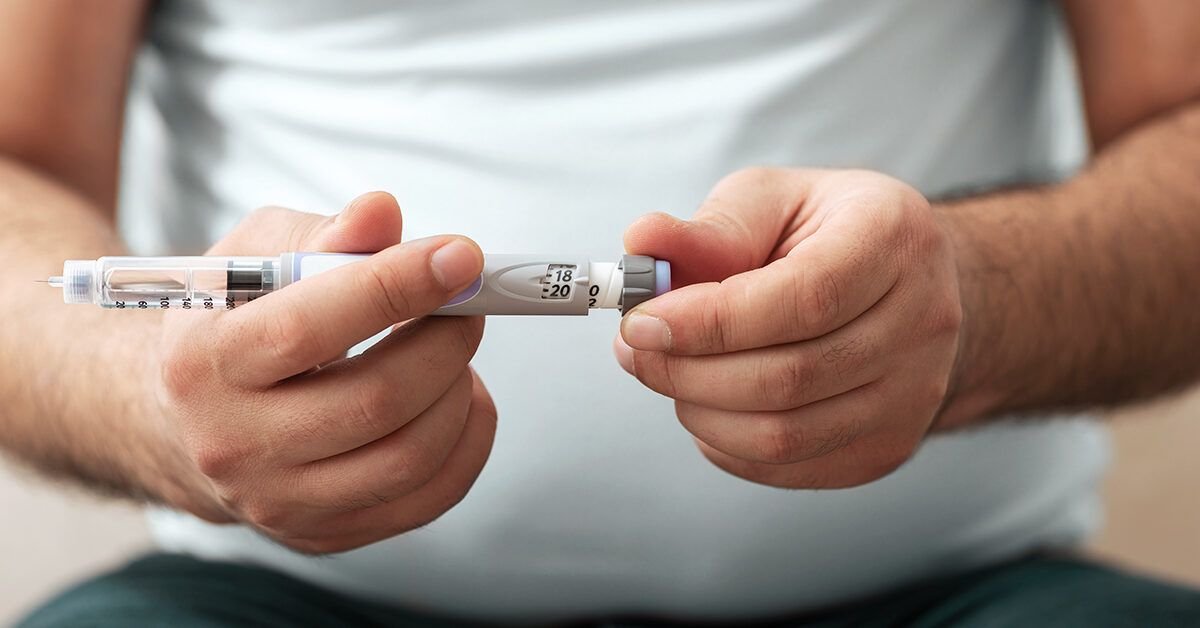
Dosing schedules vary substantially depending on the specific molecule and drug formulation chosen. Certain older options, such as short-acting exenatide or daily liraglutide, require once-daily or twice-daily subcutaneous injections. In contrast, modern long-acting agents like semaglutide, dulaglutide, and tirzepatide are formulated for once-weekly administration using convenient, single-use pre-filled pen devices. For patients who prefer non-injectable options, daily oral semaglutide formulations are available, though strict fasting and water intake protocols must be followed upon waking to ensure adequate gastrointestinal absorption.
Therapy typically begins with a low initiation dose that is gradually escalated—a process called dose titration—over several weeks or months. This step-up approach allows the digestive system to adapt to the medication’s effects on gastric emptying, effectively minimizing the risk and severity of gastrointestinal side effects. Healthcare providers monitor treatment tolerance, side effect profiles, and key clinical markers at each stage before advancing to higher maintenance doses.
Managing Side Effects and Optimizing Lifestyle Integration
While GLP-1 receptor agonists offer powerful therapeutic effects, proactive management of side effects is essential for long-term treatment adherence and patient comfort. Gastrointestinal symptoms represent the most common adverse events reported by patients, particularly during the initial titration phase or following a dose increase. Mild to moderate nausea, vomiting, diarrhea, constipation, abdominal bloating, and acid reflux are frequently observed as the digestive system adjusts to delayed gastric emptying.
To mitigate digestive discomfort, individuals are advised to adopt specific dietary strategies. Eating smaller, more frequent meals throughout the day, chewing food thoroughly, and stopping as soon as early signs of fullness appear can dramatically reduce post-meal nausea. Avoiding high-fat, fried, highly seasoned, or heavily processed foods is equally vital, as heavy fats take longer to digest and can compound gastric distress. Maintaining proper hydration is critical, especially if experiencing loose stools, and consuming adequate dietary fiber helps maintain smooth intestinal motility.
Crucially, GLP-1 medications should be viewed not as a standalone solution, but as a biological catalyst within a comprehensive lifestyle modification strategy. Preserving lean muscle mass is a primary physiological goal during periods of weight loss, making adequate dietary protein intake and regular resistance training indispensable components of treatment. Incorporating weekly strength training exercises helps protect functional lean muscle tissue, supports metabolic rate, and ensures that lost weight consists predominantly of adipose tissue rather than skeletal muscle mass.
Frequently Asked Questions
What happens when you stop taking a GLP-1 medication?
When an individual discontinues a GLP-1 receptor agonist, the medication gradually clears from the bloodstream, and its biological effects on satiety, gastric emptying, and insulin secretion subside. As a result, appetite typically returns to pre-treatment levels, and food cravings may re-emerge. Clinical studies demonstrate that the majority of patients experience weight regain after stopping therapy unless rigorous lifestyle modifications are maintained. For many individuals managing chronic metabolic disease or obesity, GLP-1 therapy is intended as a long-term maintenance intervention rather than a temporary cure.
Are GLP-1 medications safe for everyone?
While GLP-1 agonists are generally well-tolerated and thoroughly tested in clinical trials, they are not suitable for every individual. They are contraindicated in individuals with a personal or family history of medullary thyroid carcinoma (MTC) or Multiple Endocrine Neoplasia syndrome type 2 (MEN 2). Patients with a history of severe pancreatitis, severe active gastroparesis, or advanced kidney disease require careful clinical evaluation and close medical supervision. Additionally, these medications are not recommended during pregnancy or breastfeeding. A thorough evaluation by a licensed healthcare provider is mandatory before initiating therapy.
How much do GLP-1 drugs cost, and will health insurance cover them?
The retail list price for GLP-1 medications can be substantial, often ranging between $500 and $1,350 or more per month when paying out of pocket. Health insurance coverage varies widely based on the specific insurance provider, the individual’s formal diagnosis, and policy guidelines. Generally, insurance coverage is more straightforward for FDA-approved type 2 diabetes indications. Coverage for chronic weight management indications varies considerably and may require prior authorization, step therapy, or documented participation in formal lifestyle intervention programs before approval is granted.
Conclusion and Final Takeaways
GLP-1 receptor agonists represent a transformative shift in how modern medicine approaches metabolic disorders, type 2 diabetes, and chronic weight management. By working in harmony with natural hormonal signaling pathways, these therapies offer powerful benefits for blood sugar regulation, appetite control, body composition, and long-term cardiovascular health. For millions of individuals worldwide, they provide an effective, science-backed therapeutic option where traditional lifestyle efforts alone may have proven insufficient.
Ultimately, achieving optimal, lasting health outcomes with GLP-1 medications requires a personalized, well-informed strategy. Working closely with qualified healthcare professionals, implementing structured nutritional and exercise habits, and maintaining realistic long-term expectations ensure that patients can maximize the transformative potential of these medications while safeguarding their overall well-being.
Leave a Reply