Maintaining a prescribed medication schedule is one of the most fundamental yet challenging aspects of personal healthcare management. Whether managing a short-term course of targeted antibiotics or managing complex, long-term therapeutic regimens for chronic conditions such as hypertension, diabetes, or cardiovascular disease, timing is everything. Pharmacological efficacy relies heavily on steady serum drug concentrations, which means taking a tablet even a few hours late can significantly diminish its therapeutic benefits or lead to adverse physiological effects.
Despite the critical importance of exact timing, medication non-adherence remains a pervasive global health challenge. Clinical studies consistently demonstrate that without structured tracking systems, adults frequently experience dosing delays or forget their medications altogether. Research involving adult patient groups reveals that unscheduled delays occur in up to 85% of unassisted medication schedules, with complete omissions occurring nearly 46% of the time. This issue is rarely driven by intentional neglect; rather, it stems from busy modern schedules, complex multi-pill schedules, and natural cognitive fatigue.
Fortunately, advances in health technology and medical device design have yielded a diverse ecosystem of medication reminder tools tailored to every lifestyle and medical necessity. From straightforward, portable digital timers and timestamped bottle caps to automated, locked pill dispensers and smart mobile applications, these modern adherence tools bridge the gap between clinical prescriptions and daily routines. Implementing the right reminder system can dramatically reduce missed doses, prevent double-dosing errors, lower stress for family caregivers, and significantly improve long-term health outcomes.
What Are Medication Reminders and How Do Modern Systems Work?
Medication reminders encompass a broad range of hardware devices, software applications, and specialized pharmacy distribution services engineered to prompt individuals to take the right dosage of the right medication at the exact right time. At their core, these solutions address cognitive friction by outsourcing the memory task from human recollection to dependable, automated alert systems.
Modern adherence technologies operate through distinct functional mechanisms designed for different levels of therapeutic complexity:
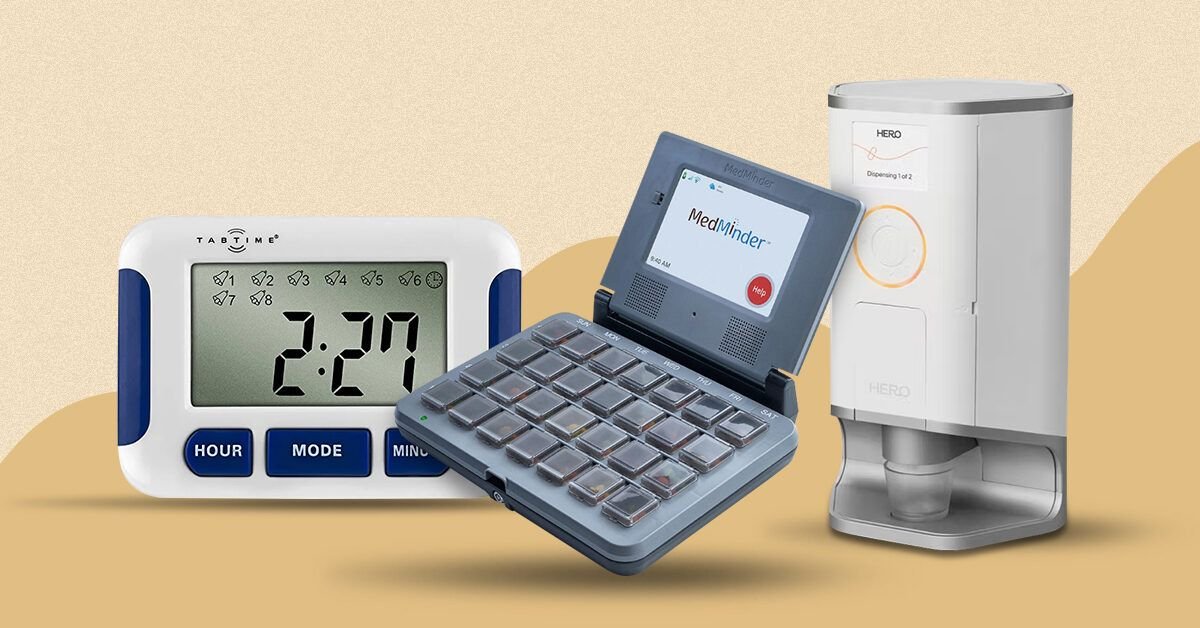
1. Digital Timers and Timestamped Hardware: These entry-level standalone devices incorporate countdown timers, multi-alarm digital clocks, or smart caps attached directly to pill bottles. Timestamped caps, for instance, utilize internal digital displays that register the exact time and date a bottle was last unscrewed. This simple visual cue eliminates confusion over whether a dose was already consumed. Meanwhile, handheld multi-alarm timers feature programmable acoustic or tactile alerts, making them ideal for mobile individuals who need to keep medication schedules organized on the go.
2. Automated Physical Dispensers and Connected Hubs: Designed for high-complexity drug regimens or individuals with cognitive impairment, automatic pill dispensers utilize motorized rotating carousels or internal tray systems. These devices lock away medications, unlocking and rotating a specific compartment only when a designated dose time arrives. Accompanied by flashing LED lights, loud auditory alarms, or voice prompts, these dispensers ensure the user accesses only the correct pills for that specific window. Advanced units feature internal cellular or Wi-Fi connectivity, sending instant push notifications or SMS alerts to family caregivers if a dosage compartment remains unopened after a set duration.
3. Pre-Dosed Custom Packaging Services: Specialized pharmacy solutions streamline complex multi-pill management by replacing traditional plastic bottles with custom, chronologically organized pouches or blister packs. Each packet is clearly labeled with the exact day, date, and time of administration, alongside explicit physical descriptions of every tablet inside. This structural simplification removes the guesswork from daily sorting and minimizes handling errors.
4. Smartphone Applications and Digital Ecosystems: Mobile adherence software transforms personal smartphones into comprehensive health tracking hubs. These applications utilize customizable push notifications, persistent visual alarms, and barcode scanning technology to confirm medication intake. Beyond basic time alerts, smart apps maintain comprehensive compliance logs, track remaining pill inventories to automate refill notifications, warn users against prospective drug interactions, and generate detailed PDF adherence reports that can be directly shared with treating physicians during clinical consultations.
Scientific Evidence and Core Benefits of Adherence Tools
The clinical value of integrating systematic medication reminders into daily routines is backed by substantial scientific research. Studies evaluate adherence tools not merely as passive accessories, but as active clinical interventions capable of altering health trajectories. For example, clinical trials examining daily automated text and app reminders demonstrated a dramatic drop in forgotten dosages—from 46% down to just 5% over a two-week period—while medication delays dropped from 85% to 18%. Over multi-month evaluations, patients utilizing dedicated reminder apps consistently maintain significantly higher adherence metrics compared to unassisted control groups.
- Dramatically Reduced Risk of Missed Doses: Automated prompts eliminate reliance on memory, keeping active pharmaceutical levels within therapeutic thresholds.
- Prevention of Accidental Overdosing and Toxicity: Digital timestamps and locking automated carousels provide clear verification of intake, preventing accidental duplicate dosing.
- Enhanced Caregiver Visibility and Reduced Stress: Remote monitoring hubs notify family members via mobile alerts if a dose is skipped, providing remote reassurance without compromising patient dignity.
- Optimization of Chronic Disease Management: Consistent adherence directly correlates with stabilized blood pressure, optimized blood glucose management, and reduced risk of cardiac events.
- Reduction in Avoidable Hospitalizations: Preventing medication errors directly decreases emergency room visits, readmission rates, and costly medical interventions.
- Streamlined Pharmacy and Refill Operations: Automated inventory tracking prevents sudden medication depletion, ensuring continuous treatment without disruption.
Ultimately, these tools alleviate the cognitive burden placed on patients and caregivers alike. Replacing anxiety and uncertainty with clear, structured routine empowers individuals to manage complex health conditions with confidence.
Selecting the Right Medication Reminder System for Your Needs
Choosing the ideal medication reminder requiring evaluating personal lifestyle factors, physical dexterity, cognitive independence, and the technical complexity of the prescribed regimen. Because no single product fits every individual, matching specific features to personal daily challenges is essential for long-term success.
For active individuals or working professionals who take one or two daily medications, simple handheld digital timers or smart timestamped caps offer maximum convenience. These lightweight tools easily slip into pockets, purses, or travel bags, providing clear time-since-last-opened tracking without requiring complex setup, cellular subscriptions, or continuous app syncing.
For individuals managing multiple daily prescriptions with varied dosing schedules, pre-dosed customized packaging services or dedicated smartphone apps provide comprehensive support. Mobile apps excel at handling intricate schedules—such as alternating days or tapering dosages—while providing actionable inventory alerts that notify users when it is time to contact their pharmacy for refills.
For seniors living independently, individuals experiencing cognitive decline, or patients managing severe chronic illness, automated locking pill dispensers offer the highest level of physical safety and compliance monitoring. These units secure all non-active medications behind physical locks, preventing accidental double-dosing or confusion over timing. When paired with remote caregiver notification systems, these automated hubs offer continuous safety while enabling patients to comfortably remain at home.
Best Practices for Implementing a Seamless Daily Regimen
While adopting a high-quality reminder tool is an important step, integrating that tool into a structured daily lifestyle ensures sustained, long-term adherence. Technology works best when paired with effective behavioral strategies and habit-building techniques.
One of the most reliable strategies is habit stacking—anchoring your medication routine to established daily habits that occur at the exact same time every day. Aligning your pill reminder with morning coffee, brushing your teeth, or eating dinner links the digital alarm to a strong, existing behavioral neural pathway, making intake second nature over time.
Additionally, organizing a consistent maintenance routine is crucial. Set aside a dedicated, quiet time once a week (such as Sunday evening) to audit pill inventories, organize upcoming packaging, inspect battery levels on electronic dispensers, or manually pre-fill hardware carousels. Involve family members or primary caregivers in this baseline setup to ensure an extra layer of safety and accountability.
Finally, always maintain an updated, written or digital list of all active medications, precise dosages, and special instructions (such as whether to take pills with food or on an empty stomach). Keep this document stored alongside your primary reminder system and share it with your healthcare provider during routine visits to ensure seamless alignment across all aspect of your care plan.
Frequently Asked Questions About Medication Reminders
Are medication reminder apps secure and compliant with health privacy standards?
Reputable health management and medication tracking applications prioritize patient privacy by employing rigorous data encryption protocols both in transit and at rest. Leading app developers adhere to established regulatory frameworks such as HIPAA (Health Insurance Portability and Accountability Act) guidelines in the United States or GDPR in Europe. However, users should always review an app’s privacy policy prior to download to verify whether personal health data remains strictly localized on the device or if anonymized data is shared with third parties.
How do automated pill dispensers prevent accidental double-dosing or over-dosing?
Automated pill dispensers prevent accidental duplicate dosing by keeping all future or previously taken medications secured behind a locked compartment. The motorized internal mechanism rotates to reveal only the specific compartment corresponding to the current dose time. The compartment remains accessible only for a pre-configured window. Once that window closes, the tray advances or locks, ensuring that a user cannot access extra pills early even if they attempt to interact with the machine again.
What should I do if a power outage or internet disruption occurs with a smart dispenser?
High-grade smart dispensers and caregiver alert hubs are engineered with redundancy systems to maintain functionality during power or network failures. Most automated units include rechargeable internal battery backups capable of operating the clock, internal carousels, and auditory alarms for 24 to 48 hours without AC power. Additionally, advanced devices often feature cellular connectivity fallbacks alongside standard Wi-Fi, ensuring that caregiver alerts and automated compliance logging continue functioning uninterrupted during local internet outages.
Conclusion and Final Takeaway
Achieving consistent medication adherence is one of the single most impactful actions you can take to safeguard your long-term health, manage chronic medical conditions, and maintain personal independence. While the challenges of managing complex drug schedules and busy daily lives are real, modern health technology offers reliable, personalized solutions. From simple visual timers to automated locking carousels and smartphone apps, there is a tool designed for every specific lifestyle and health need.
By taking a proactive approach—evaluating your specific daily challenges, selecting the appropriate reminder system, and establishing consistent habit patterns—you can completely eliminate the stress, uncertainty, and safety risks associated with missing or delaying doses. Invest the time today to build a seamless medication routine, and empower yourself or your loved ones with the gift of lasting clinical safety and peace of mind.
Leave a Reply