Iron is an essential trace mineral that plays an irreplaceable role in human physiology, serving as a core component of hemoglobin, the oxygen-carrying protein in red blood cells. Despite its ubiquity in nature, iron deficiency remains one of the most widespread nutritional deficiencies globally, affecting millions of individuals regardless of their dietary preferences. For years, a persistent myth suggested that adopting a vegetarian or plant-based lifestyle inevitably leads to poor iron status. However, modern nutritional science paints a dramatically different picture, demonstrating that plant foods are packed with robust amounts of iron capable of meeting and exceeding recommended daily targets.
Transitioning to or maintaining a vegetarian lifestyle does not require compromising on essential minerals. In fact, many legumes, seeds, nuts, whole grains, leafy greens, and dried fruits offer remarkably high quantities of iron per serving, often accompanied by a wealth of dietary fiber, antioxidants, and essential phytonutrients that animal products simply lack. Understanding how to curate a diet rich in these plant-based staples allows individuals to easily satisfy their physiological iron requirements while enjoying the broad systemic health benefits associated with a plant-forward eating pattern.
To successfully thrive on a vegetarian diet, it is crucial to understand that plant-derived iron behaves differently within the human digestive system compared to iron derived from meat. By learning how non-heme iron functions, identifying the richest food sources available, and implementing strategic culinary techniques to maximize mineral bioavailability, you can optimize your iron levels, elevate your daily energy, and safeguard your long-term wellness naturally.
What It Is & How It Works: Demystifying Plant-Based Iron
To understand how plant foods sustain our vitality, we must first look at the mineral itself. In the human body, iron is fundamental to cellular energy production, brain development, hormone synthesis, and immune system maintenance. It exists primarily within hemoglobin in red blood cells and myoglobin in muscle tissues, where it binds to oxygen molecules inhaled through the lungs and delivers them to trillions of cells across the body. Without adequate iron, cellular respiration slows, leading to systemic fatigue, diminished cognitive focus, and impaired physical stamina.
Dietary iron exists in two distinct biochemical forms: heme iron and non-heme iron. Heme iron constitutes roughly 40% to 50% of the iron found in animal flesh, poultry, and fish, and is bound to hemoglobin and myoglobin proteins. Non-heme iron, on the other hand, accounts for 100% of the iron found in plant foods, as well as the remaining portion found in animal tissues. The biological distinction between these two forms lies in their absorption mechanisms within the human gastrointestinal tract.
When consumed, heme iron is absorbed relatively intact through specific heme transporters in the enterocytes (intestinal cells) and is less influenced by other dietary components. In contrast, non-heme iron primarily exists in the ferric state (Fe3+) and must be converted to the ferrous state (Fe2+) before it can pass through the divalent metal transporter 1 (DMT1) on the intestinal wall. Because this reduction process relies heavily on the internal chemical environment of the gut, non-heme iron absorption is dynamically regulated by the body based on current iron stores, as well as the presence of dietary enhancers and inhibitors consumed in the same meal.
Daily iron requirements vary significantly across different demographics due to physiological demands. The Recommended Dietary Allowance (RDA) for adult men is generally set at 8 mg per day, while premenopausal adult women require approximately 18 mg daily to compensate for blood loss during menstruation. During pregnancy, this requirement surges to 27 mg per day to support fetal development and expanded blood volume. While some dietary guidelines suggest higher baseline intakes for strict vegetarians to account for lower average bioavailability, strategic meal assembly can dramatically boost non-heme iron absorption, rendering plant sources exceptionally effective.
Key Benefits, Symptoms, or Evidence: Why Plant-Based Iron Matters
Choosing to source iron from plant foods delivers a range of unique physiological advantages that extend far beyond simply preventing anemia. While heme iron from red meat is readily absorbed, high intakes of heme iron have been linked in clinical literature to increased oxidative stress, elevated body stores of ferritin associated with metabolic dysfunction, and higher risks of cardiovascular disease and certain colorectal cancers. Conversely, non-heme iron from plant sources comes naturally bundled with protective nutrients that mitigate oxidative damage and support metabolic health.
- Cardiovascular Protection: Plant sources of iron are naturally free of dietary cholesterol and high in soluble fiber, helping to maintain healthy lipid profiles and arterial function.
- Antioxidant Co-Passage: Whole plant foods rich in iron naturally deliver high concentrations of polyphenols, carotenoids, and flavonoids that combat cellular oxidative stress.
- Self-Regulating Systemic Balance: The body tightly regulates the intestinal uptake of non-heme iron, reducing the risk of iron overload (hemochromatosis) from dietary sources compared to unrestricted heme iron uptake.
- Microbiome Enrichment: Iron-rich plant foods like legumes, whole grains, and seeds provide prebiotic fibers that nourish beneficial gut bacteria, optimizing overall digestive and immune function.
Failing to maintain adequate iron levels leads to progressive iron depletion, which eventually manifests as iron deficiency anemia. Recognizing the early signs of declining iron status allows for proactive dietary adjustments before severe depletion occurs. Common signs and symptoms of low iron status include persistent exhaustion, pale skin, cold hands and feet, brittle nails, unusual cravings for non-nutritive substances such as ice or dirt (a condition known as pica), shortness of breath during mild exertion, and restless leg syndrome.
Scientific evidence consistently shows that individuals adhering to well-planned plant-based diets can maintain ferritin levels and red blood cell parameters well within normal reference ranges. The key to achieving optimal iron status lies not in relying on processed supplements, but in understanding the specific plant foods that deliver dense concentrations of this vital mineral and knowing how to combine them effectively.
Practical Actionable Guide Part 1: Top Plant-Based Iron Powerhouses
Building an iron-rich vegetarian diet begins with selecting nutrient-dense staples across multiple food categories. Incorporating a diverse array of legumes, seeds, nuts, vegetables, fruits, and whole grains ensures a consistent, abundant flow of non-heme iron throughout the day.
1. Legumes and Soy Products: Legumes are undisputed superstars in the plant-based iron hierarchy. Soy products lead the charge, with fermented options providing exceptional density. Natto (fermented soybeans) delivers an astounding 15.1 mg of iron per cooked cup, while a single cup of raw soybeans offers 9.1 mg. Tofu provides an impressive 13.3 mg per cup, and tempeh yields 4.5 mg. Among traditional beans and pulses, cooked white beans and lentils each provide a substantial 6.6 mg per cup, followed closely by cooked red kidney beans at 5.2 mg, chickpeas at 4.7 mg, navy beans and black-eyed peas at 4.3 mg each.
2. Seeds and Nuts: Seeds and nuts serve as concentrated, convenient powerhouses for boosting daily iron intake. Dried sesame seeds top the list, providing an incredible 21 mg of iron per cup (or about 1.3 mg per 2 tablespoons of tahini). Dried pumpkin seeds follow with 11.4 mg per cup, while whole flaxseeds offer 9.6 mg per cup. Among tree nuts, whole cashews provide 7.8 mg per cup, dried pine nuts yield 7.5 mg, whole almonds supply 5.3 mg, and dry roasted macadamia nuts offer 3.5 mg per cup.
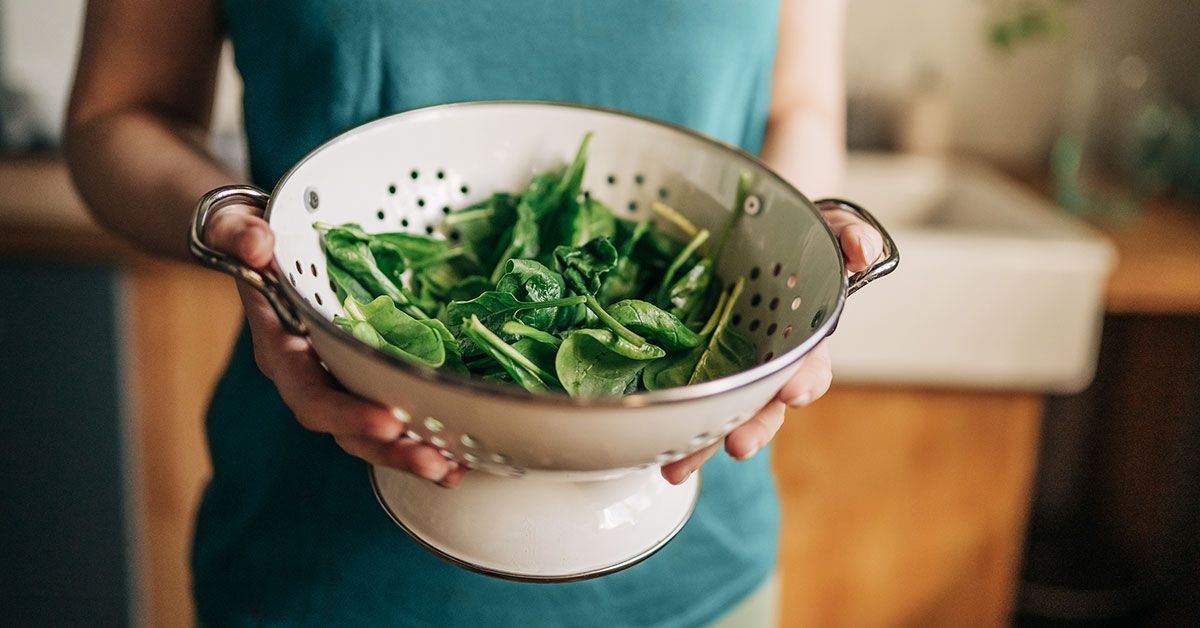
3. Vegetables and Leafy Greens: Vegetables offer lower caloric density alongside high micronutrient concentration. To maximize iron uptake, vegetables should ideally be cooked, which breaks down cell walls and concentrates mineral availability. Cooked spinach provides 5.7 mg of iron per cup, while canned palm hearts yield 4.6 mg. Cooked Swiss chard delivers 3.9 mg, cooked beet greens offer 2.7 mg, and cooked white mushrooms supply 2.7 mg. Concentrated tomato products are exceptionally rich, with sun-dried tomatoes offering 2.5 mg per half cup, tomato paste supplying 2 mg per quarter cup, and unpeeled baked potatoes delivering 1.9 mg per large potato. Cooked Brussels sprouts (1.8 mg), oyster mushrooms (1.1 mg), and cooked broccoli (1 mg) round out a well-rounded vegetable selection.
4. Fruits and Whole Grains: While fruits are generally not recognized as primary mineral sources, specific choices offer surprising benefits. Raw black olives provide a remarkable 8.5 mg of iron per cup, prune juice supplies 2.9 mg per cup, and fresh mulberries deliver 2.6 mg per cup. In the grain category, ancient grains lead in iron content: cooked amaranth offers 5.2 mg per cup, spelt provides 3.24 mg, cooked quinoa yields 2.8 mg, and cooked rolled oats offer 2.1 mg per cup. Fortified breakfast cereals can also supplement intake, with standard varieties supplying between 8.1 mg and 8.7 mg per cup.
5. Culinary Extras: Small additions to daily recipes can significantly alter overall iron intake. Dark chocolate (70% cocoa or higher) yields 3.4 mg of iron per ounce, blackstrap molasses delivers 1.9 mg per 2 tablespoons, and a single teaspoon of dried thyme contains a surprising 1.2 mg of iron.
Practical Actionable Guide Part 2: Strategic Hacks to Maximize Iron Bioavailability
Consuming high-iron plant foods is only half the equation; optimizing how much iron your digestive system actually absorbs is what truly elevates nutritional status. Because non-heme iron absorption is sensitive to the chemical environment of your meals, implementing specific kitchen strategies can double or even triple your mineral uptake.
The most potent weapon in maximizing plant-based iron absorption is L-ascorbic acid, commonly known as Vitamin C. When Vitamin C is consumed alongside non-heme iron, it acts as a powerful reducing agent, converting ferric iron (Fe3+) into the much more soluble ferrous state (Fe2+). Furthermore, Vitamin C forms a stable chelate complex with iron in the stomach, preventing it from binding to inhibitory compounds in the intestine. Pairing iron-rich foods with Vitamin C sources—such as squeezing fresh lemon juice over spinach, adding red bell peppers to a lentil salad, or consuming citrus fruit alongside oat porridge—dramatically increases bioavailability.
Conversely, it is equally important to manage dietary inhibitors that naturally bind to non-heme iron and prevent its uptake. Phytates (phytic acid), found naturally in whole grains, seeds, and unsoaked legumes, can inhibit iron absorption when unmanaged. However, traditional preparation methods such as soaking beans overnight, sprouting seeds, and utilizing sourdough fermentation in bread making activate natural phytase enzymes that break down phytic acid, releasing bound minerals. Fermented soy products like natto and tempeh excel in iron availability precisely because fermentation neutralizes these anti-nutrients.
Another common inhibitor is polyphenols and tannins, found abundantly in black tea, green tea, coffee, and red wine. Drinking tea or coffee directly with or immediately after an iron-dense meal can reduce non-heme iron absorption by up to 60-90%. To preserve mineral uptake, simply separate tea and coffee consumption from your main iron-rich meals by at least one to two hours. Similarly, high doses of supplemental calcium can temporarily compete with iron for intestinal transport; therefore, take calcium supplements at a separate time from your primary iron-rich meals.
Finally, consider your cookware. Cooking acidic foods—such as tomato sauces, stews, or chili—in traditional un-enameled cast-iron skillets allows small amounts of dietary iron to leach directly into the food. Studies show that preparing meals in cast iron can significantly increase the total iron content of the finished dish, offering an easy, passive strategy for daily fortification.
Frequently Asked Questions – FAQ
Can you get too much non-heme iron from a plant-based diet?
It is extraordinarily difficult to develop iron toxicity or iron overload solely from naturally occurring non-heme iron in plant foods. The human intestinal lining tightly controls the absorption of non-heme iron through a feedback mechanism governed by the liver hormone hepcidin. When body iron stores are high, hepcidin levels rise, downregulating the DMT1 transporters in the gut and reducing non-heme iron uptake. Toxicity is almost exclusively associated with genetic disorders like hereditary hemochromatosis or the excessive consumption of high-dose iron supplements, rather than whole plant foods.
How long does it take to improve iron stores through vegetarian foods?
Rebuilding depleted iron stores naturally through dietary changes requires consistency and patience. While red blood cell synthesis begins immediately upon increasing absorbable iron intake, measurable changes in hemoglobin and ferritin (stored iron) levels typically take between eight to twelve weeks to manifest clearly on standard blood panels. Consistently pairing iron sources with Vitamin C and avoiding inhibitors during main meals accelerates this recovery process. Individuals with clinical iron deficiency anemia should work closely with a healthcare professional to determine if short-term supplementation is required alongside dietary adjustments.
Are iron supplements necessary for everyone following a vegan or vegetarian diet?
No, iron supplements are not universally necessary for individuals following a plant-based or vegetarian diet. A well-structured diet rich in legumes, seeds, whole grains, and greens—combined with smart bio-availability practices—easily meets daily recommended allowances for most healthy adults. Routine supplement usage without confirmed clinical deficiency is discouraged, as unnecessary supplementation can cause gastrointestinal side effects such as constipation, nausea, and cramping. Iron status should always be evaluated through blood testing (including serum ferritin) prior to initiating supplemental iron.
Conclusion / Final Takeaway
Meeting your body’s iron requirements on a vegetarian diet is not only entirely achievable, but it is also an opportunity to elevate the overall nutritional quality of your meals. Plant foods offer an abundant supply of non-heme iron packed alongside essential fiber, cellular antioxidants, and vital micronutrients that foster long-term health. By embracing a wide variety of legumes, seeds, leafy greens, and whole grains, you provide your body with the foundational building blocks required for optimal energy production, strong immunity, and vibrant cellular health.
By putting science-backed strategies into practice—such as pairing iron-dense plant foods with Vitamin C, utilizing traditional prep techniques like soaking and fermenting, and separating coffee or tea from meal times—you effectively unlock the full potential of plant-based iron. Empowered with this knowledge, you can confidently nourish your body, sustain high energy levels, and thrive on a compassionate, plant-forward lifestyle.
Leave a Reply