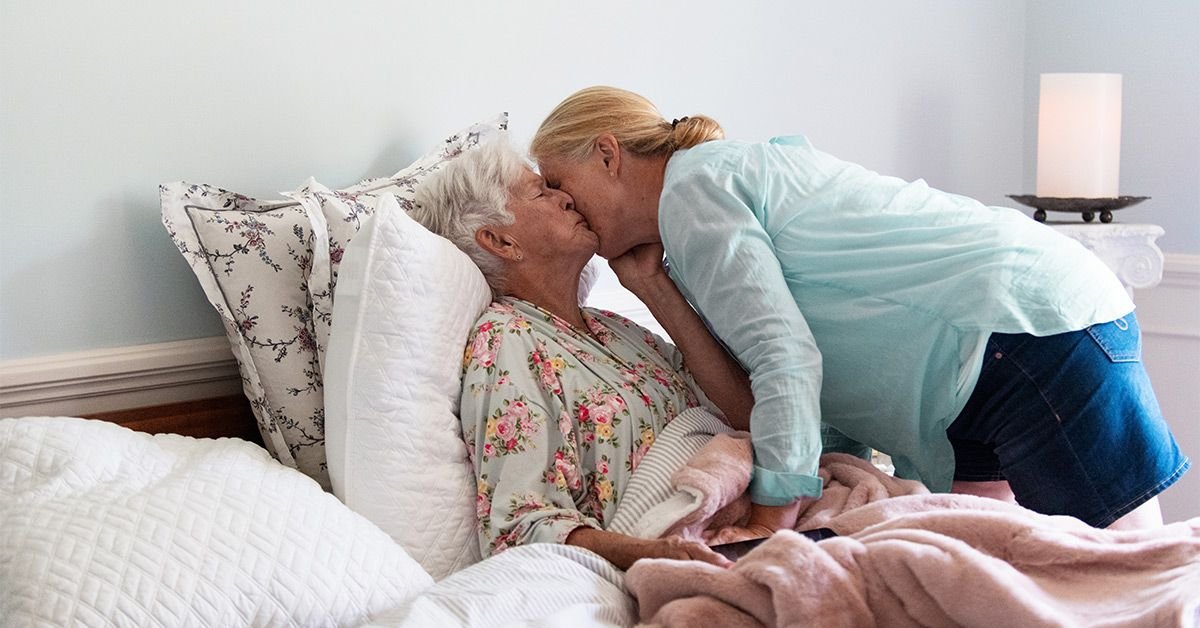
Facing the end of life—whether navigating a personal terminal diagnosis or supporting a beloved family member through their final journey—is one of the most profound, emotionally charged, and challenging experiences human beings encounter. When dealing with progressive conditions like late-stage cancer, advanced heart disease, or neurodegenerative disorders such as Alzheimer's disease, the decisions surrounding daily care can feel overwhelmingly complex. For decades, modern medical systems focused almost exclusively on curative treatments and life extension. However, when curative interventions are no longer viable or aligned with an individual's personal goals, the primary objective shifts toward ensuring comfort, maintaining dignity, and providing holistic peace.
Historically, the process of dying took place within the home, supported intimately by family and community networks. As modern medicine evolved, dying transitioned increasingly into clinical hospital environments, often turning a natural, biological human process into a highly medicalized event. In recent years, a powerful movement has emerged to return autonomy, personal meaning, and human-centered care to the final chapters of life. This cultural and medical shift has brought two vital end-of-life support options to the forefront: hospice care and end-of-life doulas, also frequently referred to as death doulas.
Although both hospice professionals and death doulas share a compassionate commitment to supporting individuals and their families during the dying process, their operational structures, professional scopes, training, and specific services differ significantly. Understanding the subtle and distinct differences between a death doula and hospice care is essential for families making critical end-of-life arrangements. Recognizing how these two specialized models function independently—and how seamlessly they can collaborate—empowers individuals to craft a comprehensive, dignified, and comforting environment for their final days.
Understanding End-of-Life Support: What Are Hospice Care and Death Doulas?
To choose the right path for yourself or a loved one, it is necessary to examine how hospice care and death doulas are structured, what services they deliver, and the clinical or non-clinical philosophies that govern their practice.
Hospice Care: A Clinical and Interdisciplinary Approach
Hospice care is a specialized, medically directed model of care designed specifically for individuals facing a terminal illness with an estimated prognosis of six months or less, assuming the disease follows its expected progression. Unlike conventional medical treatments aimed at curing illness or prolonging life at all costs, hospice care pivots entirely to palliative principles: maximizing comfort, alleviating physical suffering, and enhancing overall quality of life during the remaining time.
Hospice care operates through a formal, interdisciplinary team of healthcare professionals. This clinical team typically includes medical directors (physicians), registered nurses (RNs), certified nursing assistants (CNAs), licensed medical social workers, spiritual care coordinators or chaplains, and trained volunteers. The core focus of hospice care is clinical symptom management. Hospice nurses and doctors monitor vital signs, administer medications to manage distressing physical symptoms—such as severe pain, shortness of breath (dyspnea), nausea, agitation, and extreme fatigue—and coordinate necessary medical equipment, including specialized hospital beds, oxygen concentrators, and mobility aids.
Hospice care can be delivered in a variety of settings, including private residences, specialized hospice facilities, assisted living communities, or nursing homes. In most developed healthcare systems, hospice is a highly regulated medical benefit, frequently covered by Medicare, Medicaid, and private health insurance providers, which guarantees access to essential medications and medical apparatus related to the terminal diagnosis.
Death Doulas: Non-Medical, Holistic Companionship
An end-of-life or death doula is a non-medical professional trained to offer holistic, emotional, spiritual, practical, and informational guidance to individuals who are dying and their families. Just as a birth doula offers continuous physical and emotional encouragement to a mother bringing new life into the world, a death doula offers reassuring presence, advocacy, and guidance as an individual departs from it.
Death doulas do not perform medical procedures, administer clinical medications, manage physical wounds, or make medical decisions. Instead, their role centers entirely on human connection, emotional processing, and personalized end-of-life planning. Because doulas operate outside the traditional clinical system, they are not constrained by insurance regulations, timed clinical shift changes, or strict medical protocols. This enables a death doula to offer prolonged, highly personalized presence, often sitting at the bedside for extended hours during periods of intense distress or during the active dying phase.
A death doula's work often encompasses legacy work—such as assisting the dying individual in creating photo albums, writing personal letters, recording oral histories, or writing ethical wills. They assist with non-medical advance care planning, facilitate open and honest family conversations about fears surrounding death, and help design meaningful rituals or sacred space environments tailored to the individual's personal, cultural, or spiritual values.
Key Differences, Evidence-Based Benefits, and Unique Roles
While hospice care and death doulas both seek to alleviate fear and discomfort during the end of life, comparing their features directly reveals how uniquely tailored each service is to different aspects of the dying experience.
- Medical versus Non-Medical Scope: Hospice teams manage physical illness, prescribe and administer pharmaceuticals, manage medical crisis situations, and handle personal hygiene needs. Death doulas provide non-medical comfort measures, emotional active listening, physical positioning support, sensory comfort (such as light massage or aromatherapy), and continuous companionship.
- Time and Availability: Hospice nurses and social workers conduct periodic visits—typically ranging from a few hours a week to daily check-ins depending on the patient's clinical acuity. They are on call for medical emergencies, but they do not remain continuously in the home. A death doula can be hired to provide continuous, long-duration bedside support, often spending many consecutive hours sitting vigil during the final stages of life.
- Legacy and Ritual Focus: While hospice social workers and chaplains touch upon spiritual and legacy needs, their time is often divided across many patients. Death doulas specialize deeply in legacy project creation, helping patients articulate life lessons, design personal memorial elements, and establish peace-inducing room environments (lighting, music, guided visualization).
- Financial and Coverage Structure: Hospice care is a formal medical service covered predominantly by insurance programs like Medicare. Death doula services are generally paid out-of-pocket as a private service, though some non-profit organizations and volunteer doula collectives offer reduced rates or pro bono assistance.
- Family and Caregiver Relief: Research consistently shows that informal family caregivers face immense emotional, physical, and psychological strain. Hospice care relieves physical burdens through professional home health aides and medical support. Death doulas relieve psychological strain by offering continuous presence, keeping family members informed, holding emotional space, and guiding caregivers on what physical changes to expect during the biological dying process.
Clinical studies evaluating palliative and hospice care consistently demonstrate that early enrollment in structured end-of-life care significantly reduces emergency room utilization, minimizes unwanted invasive medical interventions, improves pain control, and leads to greater overall patient and family satisfaction. Concurrently, anecdotal and emerging qualitative research on end-of-life doulas suggests that their presence markedly reduces anxiety for both the patient and family members, fosters a deeper sense of closure, and significantly improves the post-loss grieving process for surviving loved ones.
How to Determine Which Option—or Combination—Is Right for You
Selecting the appropriate end-of-life support framework depends entirely on the unique health status, emotional requirements, financial circumstances, and personal preferences of the patient and their family. Making this decision requires thoughtful assessment across several key areas.
First, evaluate the immediate physical and clinical needs of the individual. If the person is experiencing escalating physical symptoms, severe pain, respiratory distress, or rapid functional decline requiring clinical management, initiating hospice care is paramount. A medical evaluation by a physician will help determine whether the person meets the clinical eligibility requirements for hospice care. Initiating hospice ensures that essential palliative medications, specialized hospital beds, and clinical expertise are integrated into the daily routine without delay.
Second, evaluate the emotional, spiritual, and relational atmosphere within the home. If the dying individual or family members are experiencing profound grief, anxiety regarding the dying process, unresolved existential questions, or a desire to leave a structured legacy, hiring a death doula can offer transformative support. A doula is particularly valuable when family members feel overwhelmed by the thought of managing the bedside environment alone, or when family caregivers live far away and need a trusted, continuous presence at their loved one's side.
Third, consider financial resources and logistical flexibility. Since hospice care is widely covered by insurance, it provides an accessible, high-level baseline of medical care at little to no direct cost to eligible patients. Investing in a death doula requires looking at private pay options, reviewing hourly or package rates, and determining how many hours of personalized doula support fit within the family's financial plan.
Creating a Collaborative Care Plan: How Death Doulas and Hospice Work Together
It is a common misconception that families must choose between a death doula and hospice care. In reality, these two care options are not mutually exclusive; rather, they are deeply complementary modalities that, when combined, create an extraordinary safety net of clinical expertise and intimate, continuous human support.
When a death doula and a hospice team work in harmony, the doula functions as an integrative extension of the holistic care model. For instance, during the intervals between a hospice nurse's clinical visits, the death doula remains in the home, carefully observing subtle changes in the patient's breathing, comfort level, or physical positioning. If the doula notices signs of emerging pain or respiratory distress, they can promptly notify the family or contact the on-call hospice nurse to request a clinical evaluation or medication adjustment.
Furthermore, a death doula can assist the family in interpreting and implementing the medical care plan established by the hospice physician. While a hospice nurse may explain how to administer comfort medications, a doula can stay beside the family, reassuring them, helping them maintain a accurate medication log, and keeping the environment calm and serene. During the active dying phase—which can last anywhere from several hours to several days—the death doula can manage the room atmosphere, facilitate gentle shift rotations among exhausted family members, and guide loved ones through sensory-soothing techniques while the hospice team provides the overarching clinical oversight.
Frequently Asked Questions About Death Doulas and Hospice Care
Does health insurance or Medicare cover the cost of a death doula?
Currently, traditional health insurance plans, Medicare, and Medicaid do not cover the services provided by death doulas, as doulas are classified as non-medical, non-clinical practitioners. Payment for death doula services is typically arranged out-of-pocket directly between the family and the doula. Doulas may charge hourly rates or offer bundled service packages covering pre-death planning, active dying vigil care, and post-death bereavement support. However, some non-profit organizations, community health initiatives, and hospice agencies are beginning to incorporate volunteer doula programs to make these services accessible to broader populations.
Can a person hire a death doula while already receiving hospice care?
Yes, absolutely. A person can receive hospice care and engage a death doula simultaneously. In fact, this dual-approach represents the gold standard of comprehensive end-of-life care. The hospice team provides necessary medical oversight, clinical prescriptions, and equipment, while the death doula fills the operational and emotional gaps between clinical visits by offering continuous bedside presence, legacy building, and deep emotional support for both the patient and family caregivers.
At what stage of an illness should a family contact a death doula or hospice team?
It is almost always beneficial to connect with both hospice care and death doula services as early as possible. Hospice care is often underutilized because referrals occur in the final days of life; however, enrolling early allows patients and families to benefit from months of specialized pain management and support. Similarly, engaging a death doula early in a terminal diagnosis allows time for building trust, exploring existential thoughts, completing meaningful legacy projects, and establishing detailed advance directives well before acute physical decline occurs.
Final Takeaways for End-of-Life Planning
Navigating the end-of-life journey is a profoundly personal experience that deserves the highest standard of empathy, respect, and personalized care. Choosing between hospice care and a death doula is not about selecting one superior model over another, but rather about understanding how each service addresses distinct aspects of human suffering and transition. Hospice care provides the essential clinical architecture, expert pain relief, and interdisciplinary medical management necessary to keep a terminally ill person physically comfortable. Meanwhile, a death doula brings extended, non-clinical presence, deep emotional guidance, legacy preservation, and tailored ritual design to honor the person's unique humanity.
By understanding the distinct advantages of both options, individuals and families can proactively design an end-of-life plan that honors personal values and brings profound peace of mind. Whether utilized individually or combined in a collaborative care approach, hospice care and death doulas offer invaluable warmth, professional expertise, and compassionate companionship, ensuring that the final chapter of life is navigated with comfort, grace, and dignity.
Leave a Reply