The Whole30 program has gained massive global popularity as a rigorous, 30-day dietary reset designed to help individuals identify hidden food sensitivities, reduce systemic inflammation, optimize digestive health, and dismantle unhealthy psychological habits surrounding food. By temporarily removing common inflammatory triggers—including added sugars (both real and artificial), dairy products, grains, legumes, alcohol, and synthetic food additives like carrageenan and monosodium glutamate (MSG)—the program allows the body to clear the slate and reset its baseline metabolism.
Officially, the philosophical framework of Whole30 discourages snacking between meals. The program’s creators advocate for eating three robust, nutrient-dense, well-balanced meals each day to help stabilize blood glucose, regulate hunger hormones such as ghrelin and leptin, and give the digestive tract adequate periods of rest. In an ideal setting, three well-proportioned meals rich in lean proteins, healthy fats, and non-starchy vegetables should comfortably sustain a person from morning until night without triggering significant energy dips.
However, human physiology is not one-size-fits-all, and real-life demands frequently interfere with strict meal schedules. Individuals with high metabolic rates, endurance athletes, pregnant or lactating women, people working long physical shifts, or those transitioning from a high-carbohydrate diet may experience genuine physiological hunger between traditional meal times. When hunger arises, forcing yourself to starve can backfire, leading to fatigue, irritability, and eventual binge eating. The key to successful snacking during Whole30 is choosing whole, unprocessed, nutrient-dense foods that mimic mini-meals rather than hyper-palatable convenience foods that trigger overeating.
What It Is & How It Works
To understand how to snack properly on Whole30, one must understand how elimination diets impact human metabolic pathways. When you eliminate quick-burning refined carbohydrates, grains, and added sugars, your liver shifts away from relying exclusively on a constant flood of exogenous glucose. Instead, your body adapts to burning dietary and stored fats through metabolic pathways like beta-oxidation, while deriving slow-burning energy from complex carbohydrate sources such as root vegetables and leafy greens.
When you consume a standard processed snack—such as potato chips, sugary snack bars, or refined crackers—your blood sugar rapidly spikes, triggering a sharp release of insulin from the pancreas. This rapid insulin spike clears sugar from the bloodstream, often causing a quick crash in blood glucose shortly afterward. This crash signals emergency hunger to the brain, leading to relentless cravings and mood swings. In contrast, Whole30-compliant snacks rely on a foundational trio of macro-nutrients: high-quality protein, dietary fat, and plant-based fiber.
When protein, healthy fats, and dietary fiber are consumed together, they slow down gastric emptying and delay nutrient absorption in the small intestine. Protein stimulates the release of satiety hormones like peptide YY and cholecystokinin (CCK), while dietary fats provide steady, prolonged energy without spiking blood sugar. Fiber adds physical volume to the digestive tract, expanding the stomach lining and sending signals of fullness directly to the brain. By selecting snacks built on these metabolic principles, you prevent blood sugar rollercoasters and maintain stable physical and mental performance throughout the day.
Key Benefits of Nutrient-Dense Snacking
- Sustained Energy and Glycemic Control: Eating low-glycemic, fat-and-protein-rich snacks prevents sharp blood sugar spikes and subsequent hypoglycemic crashes, maintaining focus and physical endurance.
- Muscle Mass Preservation and Recovery: Consuming adequate, high-quality protein throughout the day provides a steady stream of essential amino acids necessary for muscle repair, especially for active individuals.
- Enhanced Micronutrient Density: Selecting whole-food snacks like nut butters, seeds, avocados, and fresh vegetables increases your intake of essential minerals like magnesium, zinc, potassium, and protective antioxidants.
- Reduced Systemic Inflammation: Eliminating refined seed oils, industrial food additives, artificial sweeteners, and dairy reduces inflammatory pathways in the gut mucosal lining.
- Hormonal Equilibrium and Appetite Control: Balanced snacks regulate leptin and ghrelin, preventing erratic binge-eating behaviors and establishing a healthier long-term relationship with food.
Adopting a structured, whole-food approach to snacking ensures that every bite consumed serves a distinct functional purpose in your body. Rather than using food as an emotional crutch or a quick fix for boredom, eating clean, compliant mini-meals fuels cellular repair, supports thyroid and adrenal health, and reinforces sustainable dietary habits that extend far beyond the initial 30 days.
Practical Actionable Guide: Rules for Smart Whole30 Snacking
Navigating snacking on Whole30 requires a intentional strategy. To keep your reset on track and avoid stepping into psychological traps, follow these three fundamental principles whenever you feel the need to eat between main meals:
First, always treat your snack as a “mini-meal.” Avoid mindless grazing out of a bag or box. Plate your snack deliberately, ensuring it contains a clean protein source, a healthy fat, and a portion of fiber-rich produce. Second, strictly avoid “SWYPO” items—an acronym used in the Whole30 community standing for “Sex With Your Pants On.” This refers to recreating junk foods, pastries, or potato chips using compliant ingredients (such as paleo deep-fried chips or compliance-baked cookies). Even if the ingredients are technically allowed, recreating hyper-palatable junk foods keeps psychological food addictions alive, defeating the primary goal of the mental reset. Third, prepare your ingredients in advance. Keep hard-boiled eggs, sliced raw vegetables, homemade dressings, and pre-portioned nuts readily available in your refrigerator so you never have to make desperate decisions when hunger strikes.
22 Simple, Healthy, and Whole30-Approved Snack Ideas
Here are 22 delicious, nutrient-dense snack options that strictly adhere to Whole30 guidelines while delivering exceptional flavor, texture, and metabolic fuel.
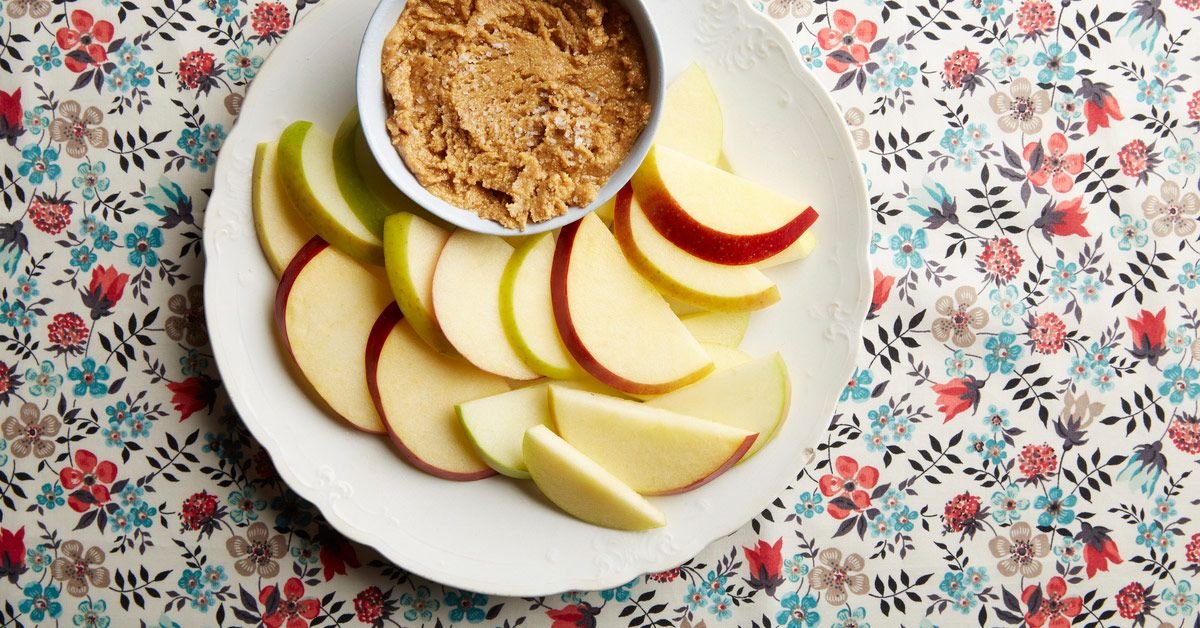
1. Apple and Cashew Butter Sandwiches: While peanuts and peanut butter are strictly prohibited due to peanuts being legumes, almond and cashew nut butters are fully compliant. Cashew butter offers a velvety texture and a natural, subtle sweetness packed with copper, magnesium, and healthy monounsaturated fats. Slice a crisp apple into thin rounds, spread one tablespoon of raw cashew butter between two slices, and press them together into mini sandwiches for a balanced mix of quick-burning fiber and sustained fat fuel.
2. Turmeric Deviled Eggs: Hard-boiled eggs are a gold standard for clean protein. Elevate standard deviled eggs by mashing the hard-boiled yolks with compliant avocado-oil mayonnaise, Dijon mustard, sea salt, black pepper, and a generous sprinkle of ground turmeric. Turmeric contains curcumin, a potent polyphenol known for its anti-inflammatory and antioxidant properties. Black pepper enhances curcumin absorption, making this snack both medicinal and delicious.
3. Raw Cocoa and Date Energy Bites: While Whole30 discourages sweet treats, active individuals needing quick fuel for long workouts can combine medjool dates, raw cashews, and unsweetened dark cocoa powder in a food processor. Roll them into small, bite-sized spheres. The natural fruit sugars paired with healthy nut fats provide an instant, clean energy boost for high-intensity physical training.
4. Sprouted Pumpkin Seeds (Pepitas): Pumpkin seeds are rich in plant-based zinc, iron, and magnesium. Choosing sprouted pumpkin seeds improves nutrient availability by breaking down phytic acid, an anti-nutrient that can bind to minerals and hinder absorption. Pair them with toasted coconut flakes or unsweetened dried cranberries for a crunchy, portable trail mix.
5. Avocado and Cauliflower Hummus with Fresh Bell Peppers: Standard hummus relies on chickpeas, which are legumes and prohibited on Whole30. Create a delicious, gut-friendly alternative by blending steamed cauliflower florets, ripe avocado, tahini (sesame paste), extra-virgin olive oil, garlic, and fresh lemon juice. Serve this rich, creamy dip with crisp red, yellow, and green bell pepper strips for a powerful dose of vitamin C and healthy fats.
6. Whole30 Bento Box: Build a balanced, colorful bento box with compartmentalized whole foods. Pack one hard-boiled egg, sliced cucumbers, homemade guacamole, chilled roast beef or turkey breast slices, and a handful of fresh berries. This versatile setup functions as a complete mini-meal that satisfies every taste bud and keeps hunger away for hours.
7. Coconut Yogurt and Pumpkin Parfait: Combine unsweetened, dairy-free coconut milk yogurt with pure organic pumpkin purée. Pumpkin purée is rich in beta-carotene, an essential antioxidant precursor to vitamin A that supports immune function and skin health. Stir in warm spices like cinnamon, nutmeg, and ginger, then top with chopped walnuts or pecans for a rich, comforting parfait. Ensure no maple syrup or honey is added.
8. Sweet Potato Toast with Mashed Avocado: Slice a raw sweet potato vertically into quarter-inch slabs and toast them in a toaster or toaster oven until tender on the inside and crispy on the outside. Top the warm slices with crushed avocado, a squeeze of fresh lime juice, sea salt, and red pepper flakes. Sweet potatoes provide complex carbohydrates and soluble fiber that keep glycogen stores replenished.
9. Herb-Roasted Mixed Nuts: Toss raw almonds, walnuts, pecans, and macadamia nuts in melted coconut oil or avocado oil, then coat them with dried chives, onion powder, garlic powder, and coarse sea salt. Roast them at 325°F (160°C) for 12 to 15 minutes until fragrant. Nuts provide plant protein, healthy fats, and dietary fiber, making them an exceptional option for satisfying savory cravings.
10. Sugar-Free Beef or Turkey Jerky with Cucumber Slices: Commercial jerky is often loaded with soy sauce, brown sugar, and chemical preservatives. Choose certified sugar-free, grass-fed beef jerky or free-range turkey jerky made with simple sea salt and spices. Pair this concentrated protein with hydrating, crisp cucumber slices to balance out the sodium levels.
11. Prosciutto-Wrapped Asparagus Spears: Select high-quality prosciutto cured only with pork and salt. Wrap individual strips of prosciutto around fresh asparagus spears that have been tossed in olive oil and black pepper. Roast them in the oven at 400°F (200°C) for 10 minutes until the prosciutto turns crispy and the asparagus becomes tender. This delivers an elegant balance of protein, healthy sodium, and fiber.
12. Tuna Salad Boats in Romaine Lettuce Cups: Wild-caught canned tuna provides high-quality protein and essential omega-3 fatty acids (EPA and DHA), which combat cellular inflammation. Mix drained tuna with compliant avocado-oil mayonnaise, finely diced celery, fresh dill, sea salt, and a splash of lemon juice. Spoon the mixture into sturdy Romaine lettuce leaves for a crisp, low-carb bite.
13. Marinated Olives and Artichoke Hearts: Whole green and black olives are exceptional sources of oleic acid, a monounsaturated fat that supports cardiovascular health. Combine pitted olives with canned artichoke hearts packed in water or olive oil, drizzling them with extra-virgin olive oil, dried oregano, red pepper flakes, and red wine vinegar. This Mediterranean combination supports gut health and controls appetite.
14. Crispy Homemade Kale Chips: Strip fresh curly kale leaves from their tough stems, wash and dry them thoroughly, and toss them with extra-virgin olive oil and nutritional yeast. Nutritional yeast imparts a rich, cheesy, savory flavor while providing essential B-complex vitamins. Bake at 300°F (150°C) for 20 minutes until delicate and crispy.
15. Everything-Bagel Hard-Boiled Eggs: Hard-boil a batch of pasture-raised eggs early in the week. Slice them in half and generously coat the tops with an “Everything Bagel” seasoning blend containing sesame seeds, poppy seeds, dried minced garlic, dried onion flakes, and sea salt. This delivers quick protein and essential choline, an important nutrient for brain health.
16. Sliced Cucumbers with Homemade Guacamole: Guacamole made from mashed ripe avocados, diced red onion, fresh cilantro, jalapeño peppers, lime juice, and sea salt provides a concentrated dose of potassium and heart-healthy monounsaturated fats. Use thick, round cucumber slices instead of corn tortilla chips for a hydrating, nutrient-dense crunch.
17. Roasted Baby Carrots with Tahini Drizzle: Toss baby carrots in avocado oil and roast them at 400°F (200°C) until sweet and caramelized. Drizzle them with a dressing made of raw tahini, warm water, lemon juice, and sea salt. Carrots supply rich beta-carotene, while tahini adds plant-based calcium, healthy fats, and a nutty flavor profile.
18. Chilled Wild Shrimp with Fresh Herb Salsa: Wild-caught jumbo shrimp are low in fat, low in calories, and packed with selenium, iodine, and protein. Steam or boil the shrimp, chill them in the refrigerator, and serve with a fresh salsa made of diced tomatoes, red onion, cilantro, jalapeño, and lime juice as a clean alternative to sugar-laden traditional cocktail sauce.
19. Crispy Roasted Seasoned Cauliflower Bites: Since roasted chickpeas are prohibited due to legume restrictions, substitute them with bite-sized cauliflower florets. Toss the florets in olive oil, smoked paprika, cumin, garlic powder, and sea salt. Roast at high heat until the edges turn dark brown and crispy. This cruciferous snack supports liver detoxification pathways and delivers satisfying crunch.
20. Sardines on Roasted Zucchini Slices: Wild-caught canned sardines are among the most nutrient-dense foods on Earth, offering abundant calcium, vitamin D, and omega-3 fatty acids. Slice zucchini into rounds, roast them until slightly tender, and top each slice with a piece of sardine, lemon juice, and crushed capers for a rich, savory boost.
21. Chia Seed Pudding with Coconut Milk and Berries: Mix two tablespoons of chia seeds with half a cup of unsweetened full-fat coconut milk and a dash of vanilla extract. Let the mixture sit in the refrigerator for at least two hours or overnight until the seeds expand and form a thick gel. Top with fresh blueberries or raspberries. Chia seeds provide abundant soluble fiber and anti-inflammatory alpha-linolenic acid (ALA).
22. Freeze-Dried Berries with Raw Macadamia Nuts: For a convenient, non-perishable snack when traveling, combine freeze-dried raspberries or strawberries with raw macadamia nuts. Macadamia nuts have one of the highest ratios of healthy monounsaturated fats among all tree nuts, providing long-lasting energy, while freeze-dried berries deliver intense fruit flavor without added liquid sugar.
Frequently Asked Questions
Why does the Whole30 program officially discourage snacking, and when is it acceptable?
The Whole30 program officially discourages snacking to help break psychological habits surrounding mindless eating, emotional comfort eating, and constant grazing. In standard modern diets, frequent snacking often leads to continuous insulin release, preventing the body from efficiently tapping into stored fat reserves for energy. By sticking to three balanced meals, you give your digestive tract time to clear residual food and allow blood sugar levels to return to a stable baseline.
However, snacking becomes entirely acceptable and necessary when genuine physiological hunger occurs. This includes situations where you have an unusually long time between meals, perform intense physical labor or sports training, are pregnant or breastfeeding, or are adjusting to metabolic changes during the early stages of the program. The key rule is to make sure your snack resembles a nutritious mini-meal containing protein, fat, and fiber, rather than a sweet or hyper-palatable treat.
How can I prevent Whole30 snacks from triggering sugar cravings or overeating?
To prevent snacks from triggering sugar cravings, focus heavily on savory, fat-and-protein-rich foods while strictly limiting sweet ingredients. Foods that taste sweet—even when made with natural ingredients like dates, dried fruit, or compliance-safe sweet fruit purées—can stimulate dopamine pathways in the brain that encourage sugar cravings. This can make you want to seek out hyper-palatable foods throughout the day.
When you feel hungry between meals, choose items like deviled eggs, black olives, sliced cucumbers with guacamole, or handfuls of salted almonds instead of sweet fruit bars or date balls. Additionally, sit down and eat your snack mindfully off a plate rather than eating straight out of a bag or while staring at a screen. Mindful eating helps your brain process satiety signals accurately, preventing accidental overeating.
What are the best Whole30 snacks for athletic performance and workout recovery?
For athletic performance and workout recovery, your body requires a strategic mix of rapidly digestible carbohydrates to replenish muscle glycogen stores, alongside clean protein to kickstart muscle protein synthesis and tissue repair. Pre-workout snacks should be light, easy to digest, and moderately high in complex carbohydrates, such as sweet potato toast topped with a small amount of almond butter, or a small date bite paired with cashew butter.
Post-workout snacks should emphasize clean lean proteins and electrolytes to promote recovery and muscle repair. Excellent post-workout choices include chilled wild shrimp with lemon juice, turkey slices wrapped around bell pepper spears, or hard-boiled eggs dusted with sea salt alongside a small portion of fresh berries. Avoid consuming extremely high amounts of dense fats immediately after a intense workout, as heavy fats can slow down the digestion and absorption of essential amino acids into your bloodstream.
Final Takeaway
The Whole30 program is ultimately a tool for self-discovery, designed to help you redefine your relationship with food, eliminate systemic inflammation, and optimize your overall energy and metabolic health. While the program strongly emphasizes eating three robust, complete meals every day, listening to your body’s authentic biological hunger signals is equally crucial. Forcing yourself to endure physical exhaustion or brain fog in the name of strict compliance defeats the overall health goals of the dietary reset.
By choosing nutrient-dense, whole-food options—such as avocado-stuffed sweet potato toast, turmeric deviled eggs, sprouted pumpkin seeds, or wild seafood—you can fuel your body effectively without compromising your 30-day reset. Approach snacking with intention, prioritize protein, healthy fats, and fiber, and use these 22 simple snack ideas to support a successful, sustainable, and empowering dietary transformation.
Leave a Reply