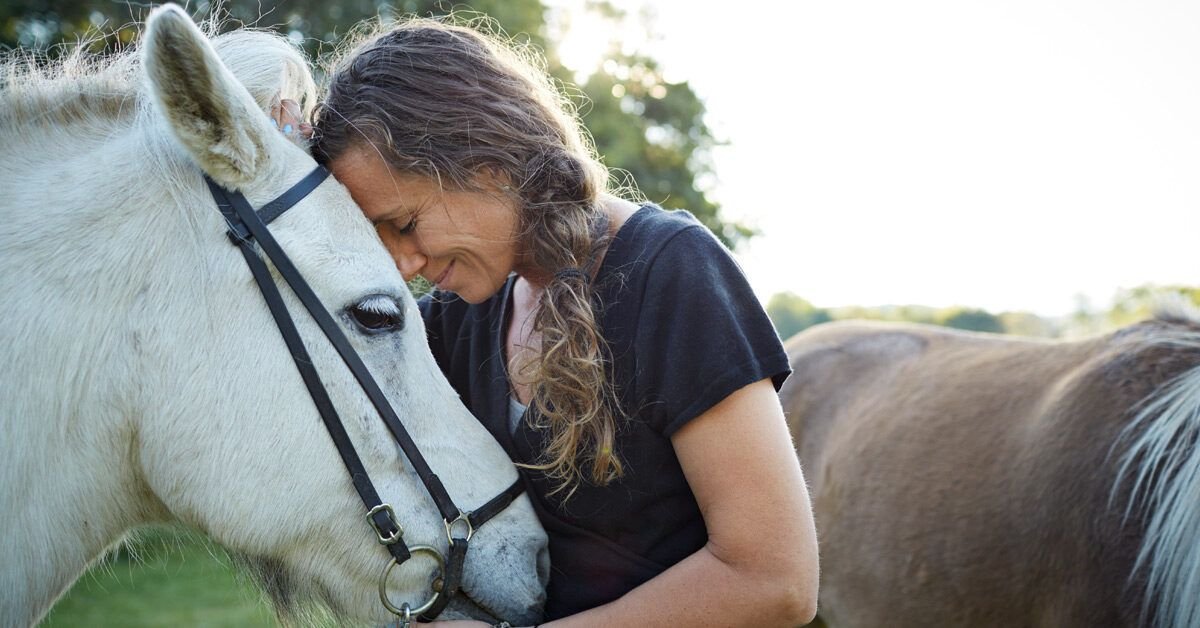
In our fast-paced modern world, anxiety disorders represent one of the most prevalent mental health challenges facing adults today. While conventional clinical interventions—such as cognitive-behavioral therapy (CBT) and pharmaceutical treatments—have provided undeniable relief to millions, they do not always offer a complete solution for every individual. For many people, sitting in a stark therapist's office attempting to articulate deeply rooted anxious thoughts can feel clinical, uninspiring, or even emotionally overwhelming. When traditional talk therapy reaches a plateau, experiential and somatic approaches often open new avenues for profound psychological healing.
One of the most promising non-traditional interventions gaining widespread clinical traction is equine-assisted therapy. By stepping out of the consultation room and onto the farm, this unique therapeutic model leverages the powerful, non-verbal dynamic between humans and horses. Horses, as sentient prey animals with remarkably acute perceptual systems, possess an uncanny ability to reflect human emotional states in real time. For an anxious mind conditioned to live in a state of hypervigilance or chronic apprehension, these majestic creatures offer an authentic mirror and a non-judgmental space to process complex somatic and emotional distress.
Importantly, equine-assisted therapy is not about learning how to ride or competing in equestrian sports; it is an evidence-based clinical discipline rooted in grounded, relational interactions. Under the continuous guidance of a licensed mental health professional, participants engage in intentional ground-based tasks such as grooming, feeding, leading, and simply observing horse behavior. Through these unscripted moments, individuals learning to navigate anxiety can develop emotional regulation skills, establish healthy personal boundaries, build visceral self-awareness, and reclaim a sense of calm present-moment presence that is often lost in the whirlwind of chronic worry.
What Equine Therapy Is and How It Operates
Equine-assisted therapy, often referred to as equine-assisted psychotherapy (EAP) or equine-assisted learning (EAL), is a specialized form of experiential treatment that incorporates horses into the therapeutic process. Unlike therapeutic horseback riding, which primarily focuses on physical rehabilitation or equestrian skills, equine-assisted therapy operates entirely on the ground. You do not need any prior experience with horses, nor do you ever need to sit in a saddle to reap the profound mental health benefits of this approach.
To understand why horses are uniquely suited for mental health treatment, one must look at evolutionary biology. As prey animals, horses have evolved over millions of years to possess an extraordinary heightened awareness of their environment. Their survival depends entirely on their ability to scan their surroundings for subtle changes, detecting minute shifts in body language, heart rate, muscle tension, and emotional energy from other animals and humans alike. In a clinical context, this high sensitivity allows horses to function as somatic mirrors. If a client approaches a horse feeling outwardly calm but internally brimming with panic, the horse will immediately pick up on the underlying physiological tension and respond accordingly—perhaps by stepping back, showing restlessness, or lowering its head once the client authentically regulates their breath.
Therapy sessions take place in safe, controlled environments such as enclosed arenas, paddocks, or open pastures. A licensed mental health clinician—often working alongside a credentialed equine specialist—facilitates the interaction. Rather than relying solely on verbal dialogue, the session unfolds around interactive, unscripted activities. As you groom a horse's coat, guide it through an obstacle course, or simply sit quietly within its personal space, the therapist observes the dynamic, offering gentle observations and reflections. This real-time feedback loop allows clients to see their internal emotional state reflected externally, creating immediate opportunities for insight and behavioral adaptation.
Key Benefits and Clinical Evidence for Anxiety Relief
Research into animal-assisted interventions, particularly involving equines, has expanded significantly in recent years. Neurobiological and clinical studies demonstrate that structured interactions with horses can positively alter autonomic nervous system activity, helping to shift clients out of a chronic fight-or-flight state and into a regulated parasympathetic state. By engaging the mind, body, and emotions simultaneously, equine-assisted therapy targets anxiety on multiple biological and psychological levels.
- Downregulation of the Nervous System: Rhythmic, repetitive activities like brushing, stroking, or walking alongside a horse stimulate the release of oxytocin while reducing circulating cortisol levels, directly calming an overactive nervous system.
- Enhanced Mindfulness and Somatic Awareness: Horses demand complete presence. Because a horse reacts instantly to your non-verbal cues, you are naturally pulled out of anxious rumination about the past or future and anchored firmly into the present moment.
- Real-Time Boundary Setting and Assertiveness: Horses weigh close to a thousand pounds and respect clear, calm communication. Working with them teaches individuals with anxiety how to set firm, respectful personal boundaries without resorting to aggression or passive avoidance.
- Rebuilding Relational Trust and Security: For individuals whose anxiety stems from trauma or interpersonal difficulties, forming a genuine connection with a non-judgmental, accepting animal provides a powerful blueprint for healthy emotional attachment.
- Identification of Subconscious Emotional Patterns: Because horses respond to non-verbal cues, they often highlight emotional defense mechanisms—such as masking, incongruence, or withdrawal—that clients may not even realize they are utilizing in their daily lives.
A growing body of academic literature underscores these clinical benefits. Studies evaluating equine-assisted interventions for generalized anxiety disorder, post-traumatic stress disorder (PTSD), and depression report significant reductions in self-reported anxiety scores, improved autonomic regulation, and enhanced emotional resilience. Researchers attribute these outcomes to the unique coregulation that occurs between human and equine nervous systems. When a human learns to slow their breathing and soften their physical posture around a calm horse, the horse's peaceful presence reinforces that sense of safety, creating a positive biofeedback loop that rewires the brain's stress response over time.
What to Expect During an Equine-Assisted Therapy Session
Entering an equine therapy session for the first time can provoke feelings of excitement mixed with mild apprehension, especially for those unaccustomed to large animals. Knowing what to expect can help ease initial hesitation. Every session is tailored to the individual's unique clinical goals, but most follow a structured, safe, and supportive progression designed to foster deep emotional discovery.
The session typically begins with a grounded check-in outside the arena or pasture. Your therapist will invite you to assess your current stress levels, notice any physical sensations in your body, and set a gentle intention for the session. Before entering the horse's space, you will receive a comprehensive safety briefing covering basic equine safety rules, such as standing clear of hind legs, speaking in calm tones, and interpreting fundamental horse body language, such as ear positioning and tail movement.
Once inside the arena, the hands-on experiential work begins. Depending on your comfort level and therapeutic goals, your therapist may suggest one of several grounded activities:
1. Observation and Passive Presence: You may simply stand or sit near a free-roaming horse in a pasture, observing its behaviors, resting patterns, and social interactions with the herd. This low-pressure exercise encourages mindfulness and allows anxious individuals to acclimate to the animal's physical presence without any performance pressure.
2. Grooming and Physical Care: Using soft brushes and combs, you will groom the horse's coat, mane, and tail. The tactile sensation of brushing, combined with the warmth and rhythmic breathing of the horse, promotes deep somatic relaxation and fosters a quiet, nurturing bond between human and animal.
3. Haltering and Halter-Leading: You may be tasked with guiding the horse around an arena or through a custom obstacle course designed by the therapist. Because a horse cannot be forced through sheer physical strength, you must learn to lead through calm confidence, clear body posture, and emotional clarity. If your mind is anxious or hesitant, the horse may pause or wander off, providing an immediate, non-judgmental opportunity to adjust your energy and regain direction.
Throughout these tasks, the therapist remains nearby, observing non-verbal interactions, asking reflective open-ended questions, and holding a safe emotional space. Rather than telling you what a horse's behavior means, the therapist encourages you to interpret the moment: “I noticed the horse took a deep breath and lowered its head when you paused your brushing. What did you feel in your own body right then?” This integration of real-time experience with verbal processing helps consolidate deep insights that can be transferred directly to daily life.
How to Find and Select a Qualified Equine Therapist
Because equine-assisted therapy has grown rapidly in popularity, it is essential to ensure that any program or practitioner you consider adheres to rigorous professional standards. True equine-assisted psychotherapy is a formal mental health intervention—not merely an informal visit to a recreational barn or petting zoo. Finding a qualified team ensures both your psychological safety and the physical welfare of the horses involved.
When searching for a provider, your first priority should be verifying credentials. Look for a professional who holds a valid license as a mental health practitioner (such as a Licensed Professional Counselor, Licensed Clinical Social Worker, Marriage and Family Therapist, or Licensed Psychologist). Additionally, the practitioner or facility should hold specialized certifications from internationally recognized professional organizations. Prominent certifying bodies include the Equine Assisted Growth and Learning Association (EAGALA) and the Professional Association of Therapeutic Horsemanship International (PATH Intl.). These organizations enforce strict ethical guidelines, clinical standards, and animal welfare protocols.
Do not hesitate to schedule an initial consultation to ask pertinent questions before committing to treatment. Inquire about the clinician's specific experience in treating anxiety disorders, their approach to equine welfare, and the structure of their treatment team. Ideally, sessions should involve a dual-professional team: a licensed mental health clinician focusing on your emotional well-being and a certified equine specialist focusing on animal behavior and safety. If a single provider fulfills both roles, ensure they possess dual certification and extensive experience in both fields.
Finally, consider practical details such as facility safety, location, accessibility, and costs. While some health insurance plans may cover portions of equine-assisted therapy when billed under standard mental health CPT codes by a licensed therapist, out-of-pocket costs or specialized facility fees are common. Clarifying these logistical details in advance allows you to embark on your therapeutic journey with peace of mind, fully prepared to focus on your personal healing and growth.
Frequently Asked Questions About Equine Therapy for Anxiety
Do I need prior experience with horses, and does the therapy involve horseback riding?
No prior experience with horses is necessary to participate in or benefit from equine-assisted therapy. In fact, coming into the experience with a completely fresh perspective can be advantageous. Furthermore, equine-assisted psychotherapy for anxiety is conducted entirely on the ground. Activities consist of grooming, leading, observing, and interacting face-to-face with the animals. By remaining on the ground, clients can establish authentic, equal relationships with the horses, focusing entirely on body language, emotional regulation, and non-verbal communication without the added physical demands or risks associated with riding.
How does equine-assisted therapy differ from standard talk therapy conducted in an office?
Traditional talk therapy relies primarily on cognitive processing and verbal communication, encouraging clients to analyze their thoughts and emotions through spoken conversation within an office setting. While highly effective, talk therapy can sometimes feel overly cerebral or intellectualized, allowing anxious individuals to talk around their feelings without fully experiencing or releasing them. Equine therapy, by contrast, is an experiential and somatic modality. It engages the nervous system directly through action, touch, and relational feedback. Instead of just talking about anxiety, you experience how anxiety manifests in your physical body and practice regulating it in real time alongside a living, responsive animal.
Is equine therapy safe and appropriate if I am naturally fearful or intimidated by large animals?
Yes, equine-assisted therapy can be exceptionally safe and highly therapeutic even if you are initially nervous around horses. Licensed equine therapists are trained to work gently with animal-related fears at a pace that feels comfortable for you. You are never forced to touch or approach a horse before you feel ready. Simply observing a horse from the opposite side of a fence or processing your apprehension with the therapist can serve as a powerful exercise in exposure therapy, boundary exploration, and building self-efficacy. Overcoming initial fear in a supportive environment often translates into greater confidence when facing anxiety-inducing situations in everyday life.
Conclusion and Final Takeaway
Navigating chronic anxiety can often feel like an isolating, uphill battle, particularly when conventional clinical treatments fail to deliver the emotional relief you deserve. Equine-assisted therapy offers a uniquely holistic, embodied path forward—one that honors the intricate connection between mind, body, and nervous system. By stepping outside traditional therapeutic boundaries and stepping into the calm, perceptive world of horses, individuals are given a rare opportunity to step out of their anxious thoughts and return to the grounded reality of the present moment.
Through non-verbal communication, intuitive coregulation, and experiential problem-solving, equine therapy empowers participants to rebuild trust, set clear boundaries, and master authentic emotional self-regulation. If you feel stuck in your current anxiety recovery journey, partnering with a certified equine therapist may be the transformative catalyst you need. In the gentle, non-judgmental presence of a horse, healing is no longer an abstract concept to be discussed—it becomes a living, deeply felt experience that can reshape your relationship with anxiety for a lifetime.
Leave a Reply