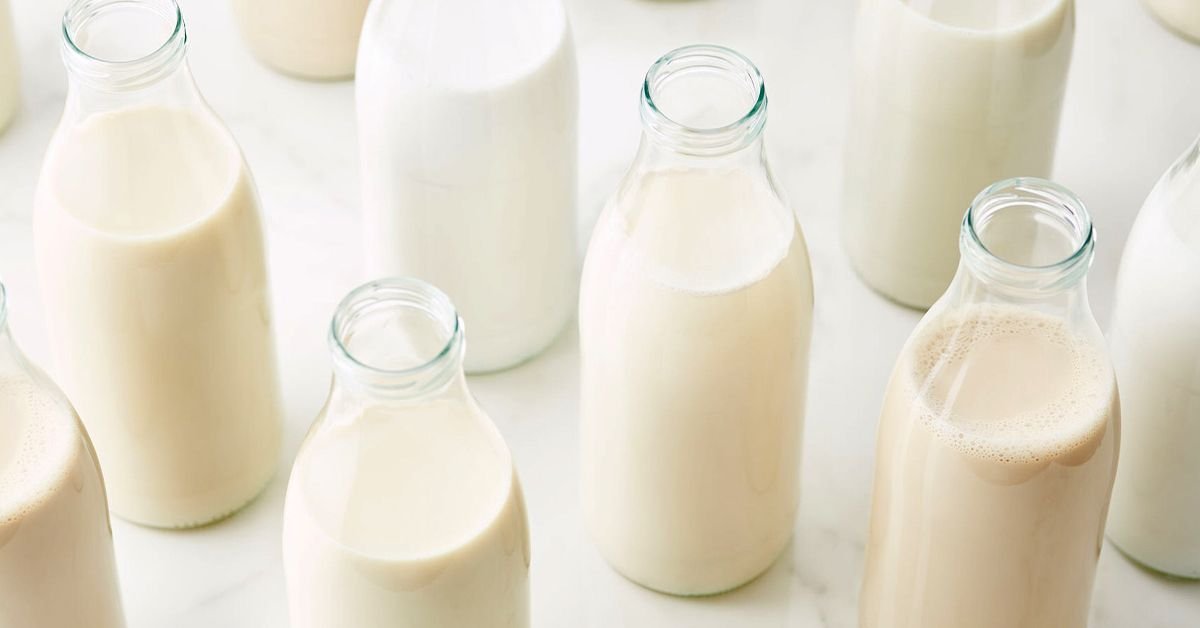
The modern supermarket aisle presents an unprecedented array of plant-based milks. Where choices were once limited to traditional dairy or a solitary carton of shelf-stable soy milk, consumers today navigate shelves packed with almond, oat, hemp, pea, rice, cashews, and coconut beverages. Driven by dietary restrictions, ethical choices, and a growing concern for global health, millions of consumers have abandoned cow’s milk in favor of plant-based alternatives. This shift represents one of the most rapid transformations in modern food consumption.
While the transition away from animal agriculture is widely recognized as a positive move for animal welfare and personal wellness, environmental sustainability has emerged as the primary catalyst for many buyers. Conventional dairy production has long been criticized for its intensive resource demands, contributing heavily to greenhouse gas emissions, deforestation, land degradation, and water contamination. Consequently, switching to a nondairy option feels like an obvious win for the planet. However, assuming that every plant-based milk is entirely free of ecological consequences is an oversimplification that ignores the complexities of modern agriculture.
Every crop used to produce plant milk requires finite natural resources, including freshwater, arable land, and energy for processing and transportation. Almond orchards in drought-prone regions consume vast quantities of water, while soy farming is frequently associated with habitat destruction in vulnerable ecosystems. Meanwhile, rice paddies emit significant amounts of methane gas. To make a truly eco-conscious decision, consumers must look beyond marketing claims and evaluate the complex ecological trade-offs associated with each plant base. Understanding these nuances allows us to align our daily nutritional habits with genuine environmental stewardship.
Understanding Plant Milk Production and Environmental Lifecycle Assessment
To evaluate the true environmental impact of plant-based milk, researchers rely on a methodology known as Life Cycle Assessment (LCA). An LCA tracks a product’s footprint from cradle to grave, evaluating every stage of production: land clearing, crop cultivation, irrigation, fertilizer application, harvesting, processing, packaging, and distribution. When applied to plant milks, LCAs evaluate four critical environmental metrics: greenhouse gas emissions, land use intensity, freshwater withdrawal, and eutrophication—the runoff of excess nutrients into water systems that leads to destructive algal blooms.
The production process of plant milk generally involves soaking the base ingredient (nuts, seeds, grains, or legumes) in water, blending it into a slurry, and straining out the insoluble fibrous solid material. The resulting liquid is often homogenized, fortified with essential nutrients like calcium and vitamin D, stabilized with gums or emulsifiers, and heat-treated for shelf longevity. Despite these energy-intensive processing steps, scientific consensus remains crystal clear: every major plant-based milk alternative performs significantly better across all primary environmental metrics than traditional dairy milk.
According to landmark agricultural research analyzing data from thousands of farms worldwide, producing a single glass of cow’s milk generates roughly three times more greenhouse gas emissions than any plant-based alternative. Furthermore, dairy production requires approximately nine times as much land as nondairy milks, primarily due to the vast acreage needed to grow feed crops for livestock and pasture grazing. Animals also require continuous water for drinking and crop irrigation, while ruminant animals naturally produce methane—a greenhouse gas far more potent than carbon dioxide in the short term. However, when comparing plant milks against one another, the environmental trade-offs become far more distinct and specialized.
Comparing Plant Milks: What the Scientific Evidence Shows
Each plant base brings a unique ecological profile to the table. Choosing the best option requires weighing competing environmental priorities, such as water conservation versus land management and carbon footprint mitigation.
- Almond Milk: Almond milk has a remarkably low greenhouse gas footprint and requires minimal land compared to dairy. However, it is by far the most water-intensive plant milk on the market. Growing a single California almond requires approximately 3.2 gallons of water. Because nearly 80% of the world’s commercial almonds are grown in California’s Central Valley—a region plagued by recurrent, severe droughts—the massive freshwater diversion needed for almond agriculture strains localized aquifers, causes land subsidence, and disrupts delicate aquatic ecosystems. Additionally, intensive almond farming relies heavily on commercial honeybee colonies for pollination, raising severe animal welfare concerns due to high bee mortality rates caused by pesticide exposure and transport stress.
- Soy Milk: From a resource efficiency standpoint, soy milk is an environmental powerhouse. Soybeans are legumes, meaning they possess the unique natural ability to fix nitrogen from the atmosphere into the soil. This drastically reduces the need for synthetic nitrogen fertilizers, which are major drivers of fossil fuel consumption and water pollution. However, soy has historically carried a negative reputation due to its connection with deforestation in the Amazon rainforest. It is crucial to contextualize this: over 70% to 80% of global soy production is harvested strictly for animal feed and biofuel, not direct human consumption. When sourced from organic, locally grown non-GMO crops, soy milk is one of the most balanced, resource-efficient options available.
- Oat Milk: Oat milk has surged in popularity due to its creamy texture and favorable environmental profile. Oats require significantly less water to cultivate than almonds or rice and generate low greenhouse gas emissions. They are typically grown in cooler climates across North America and Europe, where natural rainfall often minimizes the need for artificial irrigation. Oats also function effectively as cover crops, helping to prevent soil erosion and improve biodiversity when integrated into crop rotation systems. The main environmental drawback of oats is land use, which is higher than that of almonds or rice, though still vastly lower than dairy. Additionally, non-organic oat farming frequently utilizes chemical desiccants like glyphosate prior to harvest, emphasizing the importance of choosing organic certifications.
- Rice Milk: While rice milk is naturally hypoallergenic and sweet, it ranks poorly on environmental metrics compared to other plant options. Rice cultivation requires immense volumes of water to flood paddies, matching or exceeding the water footprint of almond farming. Crucially, submerged rice paddies create anaerobic (oxygen-deprived) conditions where soil bacteria flourish and produce large quantities of methane gas. As a result, rice milk generates higher greenhouse gas emissions than almond, oat, or soy milks. It also offers minimal nutritional value unless heavily fortified, as it is naturally low in protein and high in carbohydrates.
- Hemp Milk: Hemp is widely regarded by environmental scientists as one of the most sustainable crops on Earth. The hemp plant is exceptionally resilient, naturally pest-resistant, and quick-growing, requiring virtually no synthetic pesticides or herbicides. It possesses a deep taproot system that restores soil structure, absorbs heavy metals, and prevents erosion. Furthermore, hemp is a high-yielding crop where every part of the plant can be utilized—seeds and leaves for milk and oil, and stalks for bio-plastics, building materials, and textiles. Hemp milk has a low carbon and water footprint, making it an extraordinary choice for eco-conscious consumers.
- Pea Milk: Made from yellow split peas, pea milk is an emerging superstar in the sustainable food movement. Like soy, yellow peas are legumes that naturally replenish soil nitrogen, reducing chemical fertilizer dependence. Pea cultivation requires minimal water and significantly less land than nut or grain milks. Furthermore, pea milk delivers a robust nutritional profile rivaling cow’s milk, containing roughly 8 grams of complete protein per serving with a tiny environmental footprint.
- Coconut Milk: Coconuts are grown exclusively in tropical regions near the equator, such as Indonesia, the Philippines, and India. While coconut trees require minimal freshwater and harvest carbon efficiently, the environmental impact of coconut milk stems from transport and ethical supply chain concerns. Long-distance shipping creates significant maritime transport emissions. Furthermore, surging global demand for coconut products has contributed to localized tropical deforestation and soil degradation in sensitive coastal biomes.
Understanding these variable trade-offs highlights the reality that no single plant milk is flawless across every metric. The optimal choice depends heavily on which environmental issue—water scarcity, land degradation, or global climate change—is most urgent in your local region or personal philosophy.
How to Select the Most Eco-Friendly Option Based on Your Priorities
Choosing the most sustainable plant milk requires a clear understanding of your personal ecological priorities. If you live in an arid region or an area suffering from persistent drought, such as the American Southwest or Mediterranean climates, prioritizing water conservation is essential. In these regions, transitioning away from almond and rice milks toward oat, hemp, or pea milks provides immediate, direct relief to freshwater resource demands.
Conversely, if your primary goal is combating global warming by reducing atmospheric greenhouse gases, minimizing methane and carbon dioxide emissions takes precedence. In this scenario, avoiding rice milk and conventional dairy is paramount. Instead, opting for hemp, pea, or locally sourced oat milk guarantees the lowest possible carbon output per liter consumed. Evaluating products through this targeted lens transforms routine grocery shopping into meaningful climate action.
Another vital factor is regionality. Transporting heavy liquid milk across continents requires substantial fossil fuel consumption for refrigeration and shipping. Purchasing plant milks produced from locally or regionally grown crops naturally mitigates transport-related emissions. For instance, North American and European consumers benefit significantly from selecting oat or soy milk produced from domestic farms rather than imported coconut or palm-derived alternatives. Always inspect product labels to identify where ingredients were grown and processed.
Maximizing Sustainability: Packaging, DIY Methods, and Smart Shopping
While the choice of plant base is fundamental, secondary factors like packaging and processing heavily influence a product’s overall environmental footprint. Most commercial plant milks are sold in aseptic liquid cartons composed of layered paperboard, aluminum, and plastic (Tetra Pak). While these cartons are lightweight and preserve shelf stability without refrigeration, recycling them requires specialized facilities that are not accessible in every municipality. When these cartons end up in landfills, their environmental benefits are partially degraded.
To overcome packaging limitations, eco-conscious consumers can adopt actionable, sustainable habits that drastically cut waste:
First, consider making your own plant milk at home. Homemade oat, hemp, or almond milk requires only raw ingredients, a blender, water, and a fine mesh strainer or nut milk bag. By making milk at home in small batches, you eliminate single-use packaging entirely, reduce reliance on synthetic stabilizers, and avoid paying to transport water—which accounts for up to 90% of commercial liquid milk volume. Alternatively, purchasing concentrated plant milk pastes or watersoluble oat powders allows you to reconstitute milk at home using reusable glass bottles.
Second, prioritize third-party sustainability certifications when buying commercial brands. Look for USDA Organic or European Organic seals, which ensure crops were grown without synthetic pesticides or chemical nitrogen fertilizers that destroy soil biomes and pollute watersheds. Certifications like Regenerative Organic Certified (ROC), Fair Trade, and Non-GMO Project Verified provide further guarantees that the agricultural practices actively restore soil health, protect biodiversity, and fair labor standards.
Frequently Asked Questions About Plant Milk Sustainability
Which plant milk has the absolute lowest carbon footprint overall?
Scientific Life Cycle Assessments consistently show that hemp milk, pea milk, and oat milk compete for the absolute lowest carbon footprint among non-dairy alternatives. Their production generates roughly 0.2 to 0.9 kilograms of CO2-equivalent per liter, compared to approximately 3.0 kilograms of CO2-equivalent for a single liter of conventional dairy milk. Hemp and pea milks gain an extra ecological advantage because they do not require synthetic nitrogen fertilizers, which are energy-intensive to manufacture and release potent greenhouse gases when applied to fields.
Is almond milk completely unsustainable due to its high water demand?
While almond milk requires significantly more water than oat, soy, or hemp milks, calling it entirely unsustainable requires nuance. Almond milk still produces significantly fewer greenhouse gas emissions and requires far less land than conventional cow’s milk. However, because nearly 80% of commercial almonds are grown in drought-stricken regions of California, the localized impact on aquifers and native wildlife is severe. If you are aiming to reduce your personal water footprint, switching from almond milk to oat, pea, or hemp milk is a highly effective change.
How does the nutritional profile of sustainable plant milks compare to conventional dairy?
Nutritionally, plant milks vary widely. Soy milk and pea milk are the most comparable to cow’s milk, naturally delivering 7 to 8 grams of high-quality protein per cup along with essential amino acids. Oat milk provides moderate calories and heart-healthy dietary fiber (beta-glucan), but contains less protein (around 2 to 3 grams per cup). Almond and coconut milks are generally low in protein and calories unless fortified. To match the nutritional benefits of traditional dairy, choose unsweetened plant milks fortified with calcium, vitamin D, and vitamin B12.
Final Takeaway: Navigating Your Plant Milk Journey
Transitioning from dairy to plant-based milk is one of the most effective single lifestyle changes an individual can make to reduce their personal environmental footprint. Regardless of whether you choose oat, soy, hemp, pea, or almond, every non-dairy alternative consumes fewer natural resources and generates far fewer greenhouse gas emissions than conventional livestock farming. Embracing plant-based alternatives is an accessible, impactful victory for global sustainability.
Ultimately, true eco-friendly living is not about achieving absolute perfection, but about making deliberate, informed choices aligned with ecological balance. By considering regional water availability, supporting soil-regenerating crops like hemp and legumes, choosing organic certifications, and reducing packaging waste through home blending or concentrates, you can enjoy rich, nutritious plant milks while actively protecting the health of our planet for generations to come.
Leave a Reply