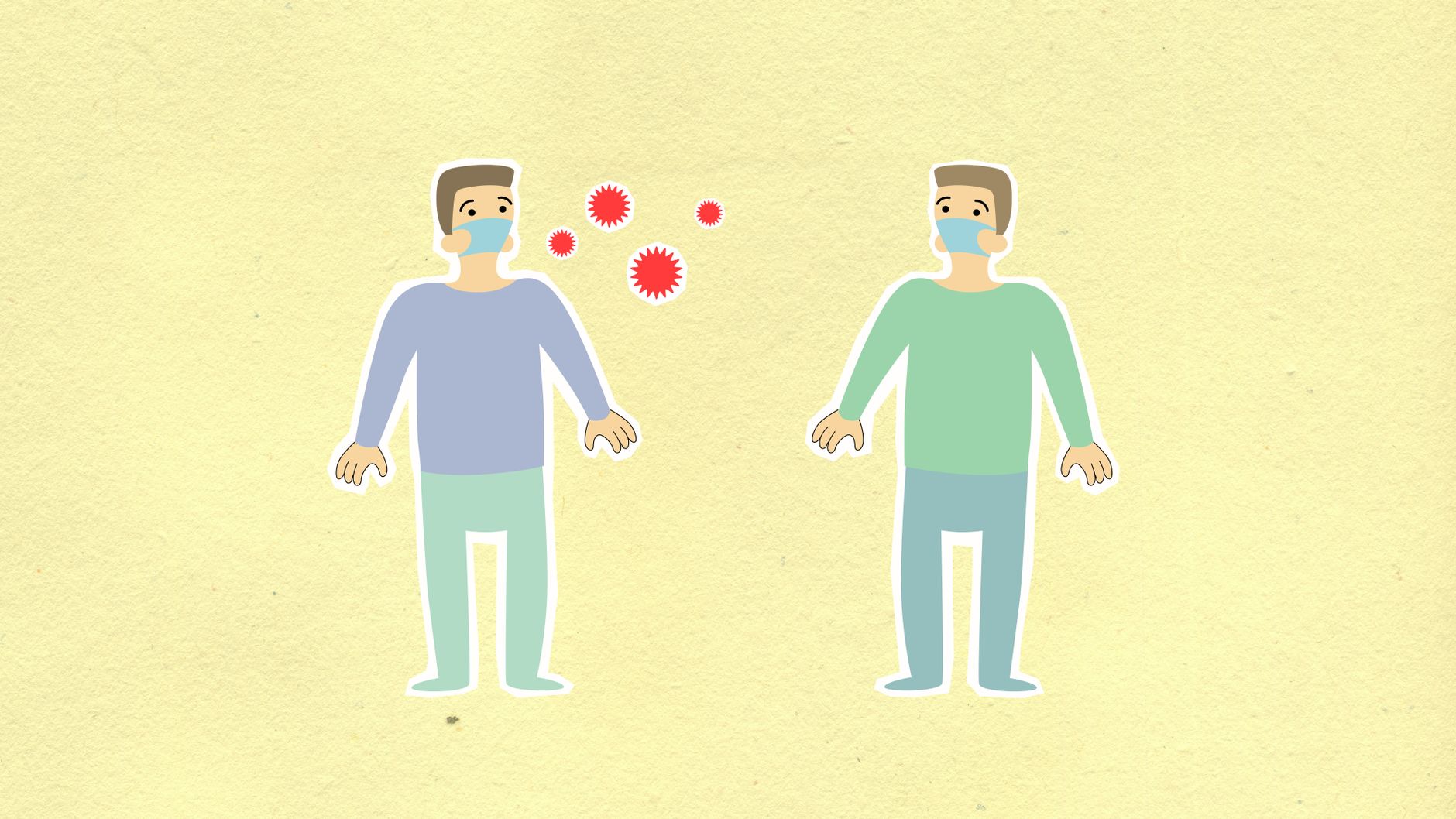
Shingles, also known as herpes zoster, is caused by the varicella-zoster virus, the same virus responsible for chickenpox. While shingles itself is not contagious, the virus can be transmitted through direct contact with fluid from active blisters. Individuals who have not had chickenpox or been vaccinated against it may develop chickenpox if exposed. The varicella-zoster virus remains dormant in nerve tissue after a chickenpox infection and can reactivate as shingles later in life.
How Shingles Spreads
Transmission of the varicella-zoster virus occurs primarily through direct contact with the fluid from active shingles blisters. This means someone can contract the virus and develop chickenpox if they touch an active shingles rash. It is highly unlikely for the virus to spread through saliva or nasal secretions, meaning casual contact like speaking, coughing, or sneezing generally does not transmit the virus.
Triggers for a Shingles Outbreak
The varicella-zoster virus lies dormant in most people who have had chickenpox. However, it reactivates in only about one-third of individuals, and the exact reasons for this reactivation are not fully understood. The risk of developing shingles increases with age, with approximately half of all cases occurring after age 60, and the risk significantly rising from age 70 onwards. Other factors that may increase susceptibility include health conditions affecting the immune system, certain medications that suppress the immune response, and excessive sun exposure.
Contagious Period of Shingles
The contagious period for shingles typically lasts 7 to 10 days, or as long as there is an active rash with oozing or open blisters. The virus can be transmitted from the moment blisters begin to form until they have fully crusted and scabbed over. To prevent transmission, it is crucial to keep shingles rashes covered during this entire period. A rash usually clears completely within about four weeks.
Preventing the Spread of Shingles
While managing shingles, several measures can help reduce the risk of transmitting the virus to others. Keeping the rash clean and covered is essential to prevent accidental contact with blisters, especially when around children and older adults. Frequent handwashing and avoiding touching the blisters are also important. It is advisable to avoid close contact with pregnant individuals, premature babies, infants with low birth weights, children who have not had chickenpox or its vaccine, and people with weakened immune systems, as the virus can pose serious health risks to these vulnerable groups.
Shingles Vaccination
Vaccination plays a key role in preventing both chickenpox and shingles. The chickenpox vaccine is recommended for children, as preventing chickenpox also prevents the dormant virus that can later cause shingles. For adults aged 50 and older, the Shingrix vaccine is recommended, even for those who have previously had shingles or chickenpox, or received an older shingles vaccine. This vaccine is administered in two doses, 2 to 6 months apart, and offers over 90% protection, which remains above 85% for at least four years. It is important to note that the vaccine does not treat an active case of shingles.
Leave a Reply