A common concern regarding vegetarian and vegan diets is whether they provide sufficient protein. However, meeting daily protein requirements is entirely achievable with a well-planned, plant-based diet. Numerous plant foods offer high amounts of protein per serving, along with essential vitamins, minerals, and dietary fiber.
The Versatility of Soy: Tofu, Tempeh, and Edamame
Soybeans are among the few plant sources that provide a complete protein profile, meaning they contain all nine essential amino acids. Tofu, tempeh, and edamame are versatile options that deliver between 12 and 20 grams of protein per 100-gram serving. Edamame is also rich in folate and fiber, while tempeh offers beneficial probiotics due to its fermentation process.
Seitan: The High-Protein Wheat Gluten
Often referred to as wheat meat, seitan is a popular meat substitute known for its dense, meat-like texture. It is exceptionally high in protein, providing approximately 25 grams per 100 grams. While it is an excellent source of selenium and iron, it is made entirely from gluten, making it unsuitable for individuals with celiac disease or gluten sensitivity.
Lentils and Beans as Dietary Staples
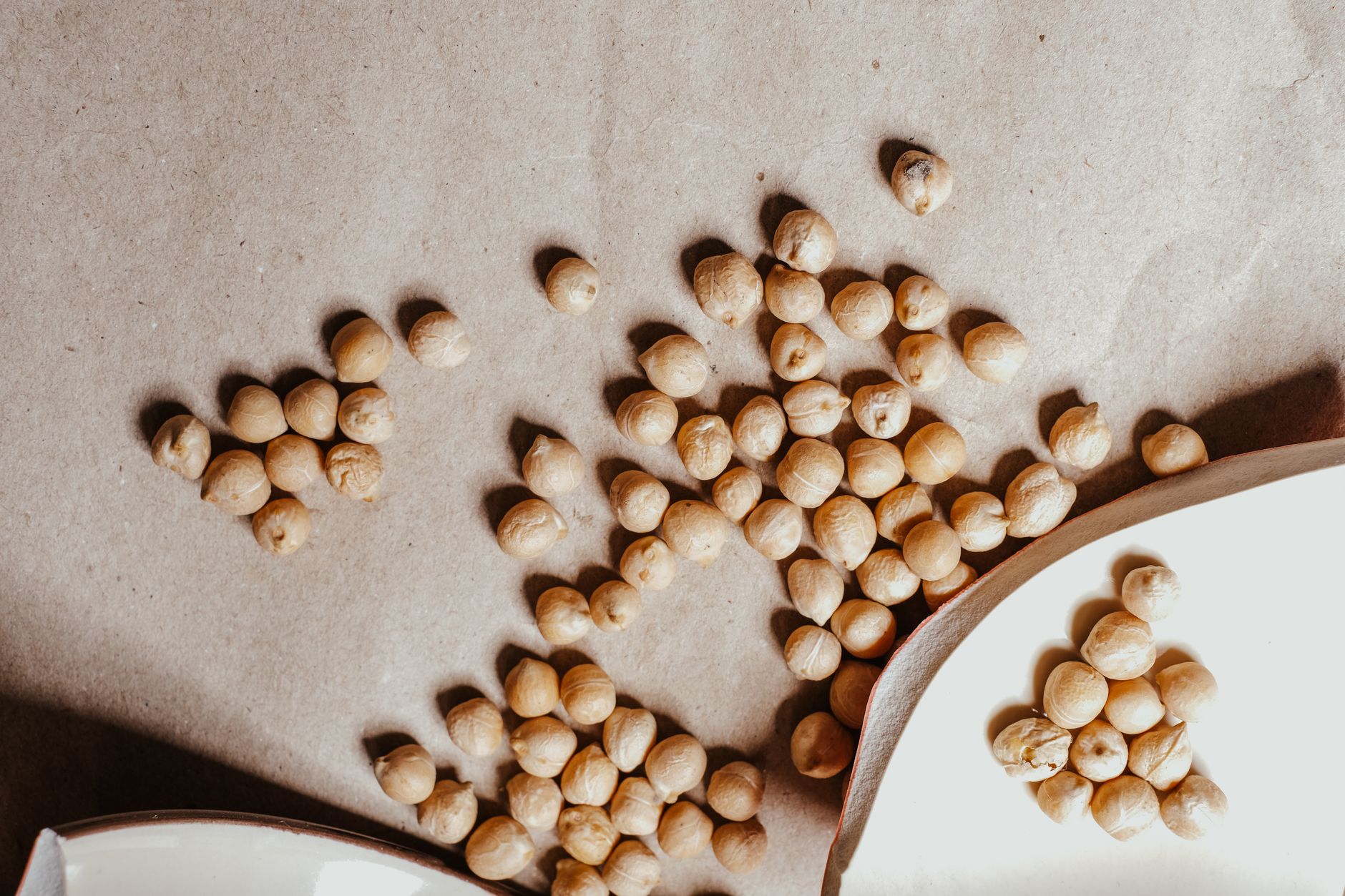
Lentils and beans are fundamental components of plant-based nutrition worldwide. Cooked lentils offer about 18 grams of protein per cup, alongside more than half of the recommended daily fiber intake. Beans, including black, kidney, pinto, and chickpeas, provide roughly 15 grams of protein per cup. Both options are rich in complex carbohydrates, iron, folate, and potassium, supporting heart health and blood sugar management.
Nutritional Yeast and Spirulina
Nutritional yeast is a deactivated yeast sold as flakes or powder, offering a cheesy flavor and 8 grams of complete protein per half-ounce. It is frequently fortified with vitamin B12, an essential nutrient for plant-based eaters. Spirulina, a blue-green algae, is another nutritional powerhouse, delivering 8 grams of complete protein in just two tablespoons, along with significant amounts of iron and copper.
Ancient Grains and Pseudocereals
Quinoa and amaranth are pseudocereals that serve as complete protein sources, providing 8 to 9 grams of protein per cooked cup. Ancient grains like spelt and teff are also excellent options, offering up to 11 grams of protein per cup. These grains are packed with complex carbohydrates, magnesium, and iron, making them superior alternatives to refined grains.
Seeds and Nuts for Healthy Fats and Protein
Hemp seeds and chia seeds are highly nutritious additions to any diet. Hemp seeds provide 9 grams of protein per three tablespoons, alongside essential fatty acids that help reduce inflammation. Chia seeds offer 5 grams of protein and 10 grams of fiber per ounce. Nuts like almonds and walnuts, along with various seeds, provide a convenient source of protein, healthy fats, and antioxidants.
Protein-Rich Vegetables and Fruits
While fruits and vegetables generally contain less protein than legumes or grains, certain varieties still contribute to daily goals. Green peas lead with nearly 9 grams of protein per cooked cup. Other vegetables like broccoli, spinach, asparagus, and Brussels sprouts also offer notable amounts of protein alongside essential micronutrients.
Sprouted Grains and Mycoprotein
Sprouted grain breads utilize sprouted legumes and grains to increase nutrient absorption and protein quality, offering about 8 grams of protein per two slices. Mycoprotein, a fungus-derived protein source, is widely used in meat substitutes, providing around 15 grams of protein and high fiber content per serving.
Leave a Reply