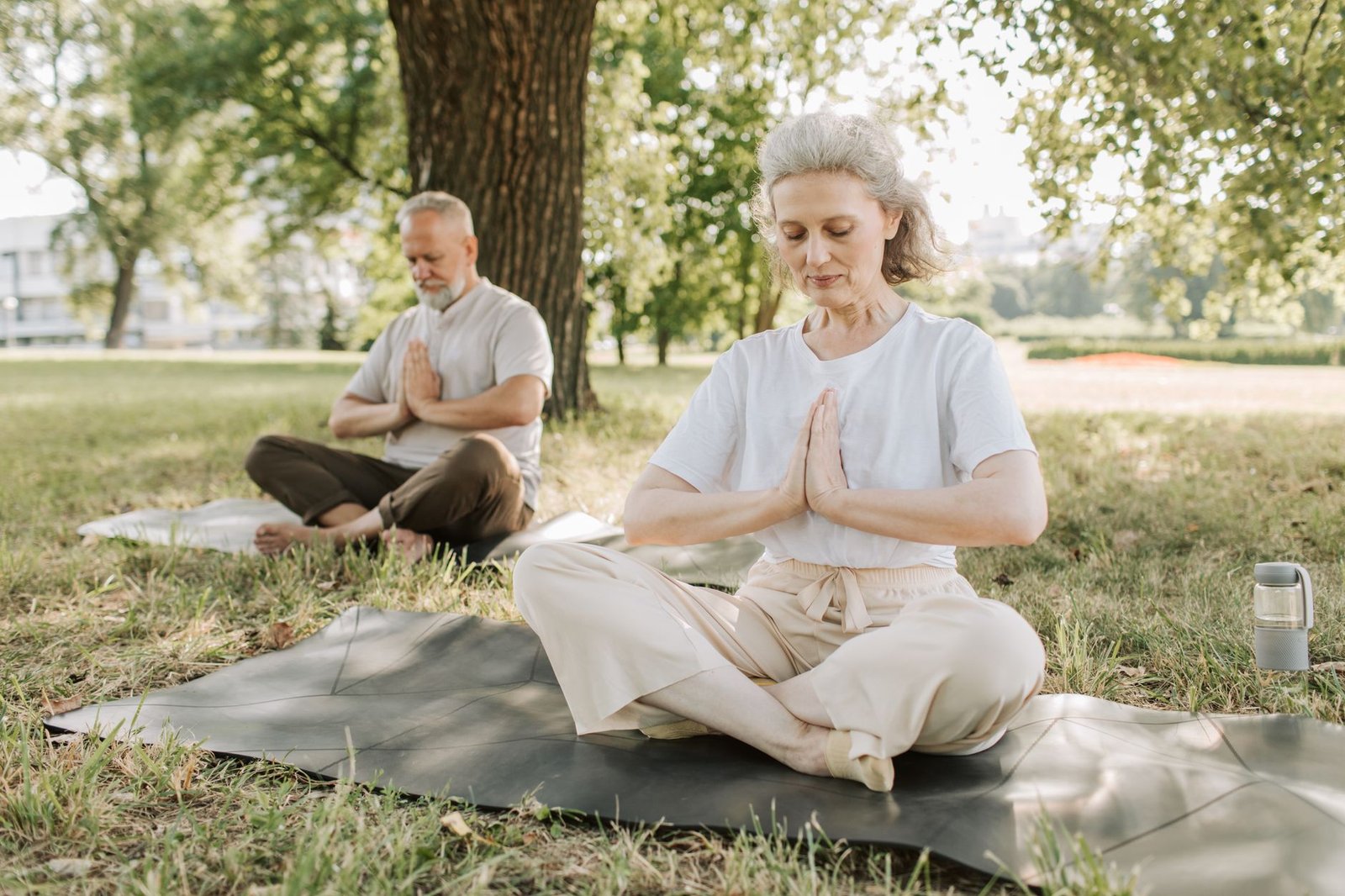
Embracing a holistic approach to health is paramount for individuals navigating the journey of aging. As health needs evolve with time, maintaining a lifestyle that nourishes both body and mind becomes increasingly vital. This comprehensive guide explores various facets of healthy aging, from physical activity and nutrition to mental well-being and cognitive function, offering insights to support a vibrant and independent life.
Exercise and Physical Activity for Seniors
Physical activity remains a cornerstone of healthy living, regardless of age. It is never too late to prioritize health through exercise, whether you are in your 50s, 60s, 70s, or beyond. Regular moderate-intensity exercise is highly recommended for older adults in good health, contributing significantly to overall well-being and independence.
Adapting your fitness routine to suit each phase of life is key. Engaging in a variety of activities can keep workouts engaging and effective. For those looking to manage weight after 50, simple adjustments to an exercise regimen can yield positive results. Furthermore, selecting appropriate workout equipment can enhance safety and effectiveness for older adults, helping to maintain physical capabilities.
Stretching and Mobility for Enhanced Flexibility
Maintaining flexibility and balance is crucial for preventing falls and improving daily comfort as one ages. Incorporating stretching exercises into a routine can significantly improve mobility. Even short, consistent stretching sessions can lead to noticeable improvements. Balance exercises are equally important, contributing to stability and reducing the risk of injury. Gentle stretches can also provide relief for common issues like back pain, particularly when performed safely and mindfully.
Nutrition for Optimal Aging
Nutritional needs, appetite, and food habits can change with age, making informed dietary choices essential. A guide to healthy eating for seniors emphasizes the importance of a balanced diet rich in essential nutrients. For those who find meal preparation challenging, senior meal delivery services offer a convenient solution to ensure consistent access to nutritious food. Additionally, certain supplements can play a supportive role in boosting nutrient intake, targeting areas like brain health and bone density.
Nurturing Mental Well-being and Social Connections
Mental health is an integral component of holistic aging. Socializing offers numerous benefits for aging adults, helping to combat feelings of isolation and boosting overall mood. Expanding one’s social life, especially after significant life changes like retirement, can significantly enhance mental well-being. Understanding conditions such as geriatric depression is also vital, as it is a treatable mental and emotional disorder. For those considering professional support, starting therapy later in life can provide evidence-based benefits for navigating life’s challenges.
Enhancing Memory and Cognitive Function
Maintaining cognitive sharpness is a common goal as we age. Various strategies can help improve memory and concentration. These include lifestyle adjustments, specific dietary choices, and engaging in brain-stimulating activities. Certain foods and drinks are known to support brain health and enhance memory. Regular mental exercise, combined with physical care, can contribute to sustained cognitive function into older age.
Tools and Equipment for Independent Living
Supporting independence in older adulthood often involves utilizing practical tools and equipment. A range of products is available to assist seniors and individuals with challenges, making daily tasks easier and safer throughout the home. These resources contribute to maintaining autonomy and quality of life.
Leave a Reply