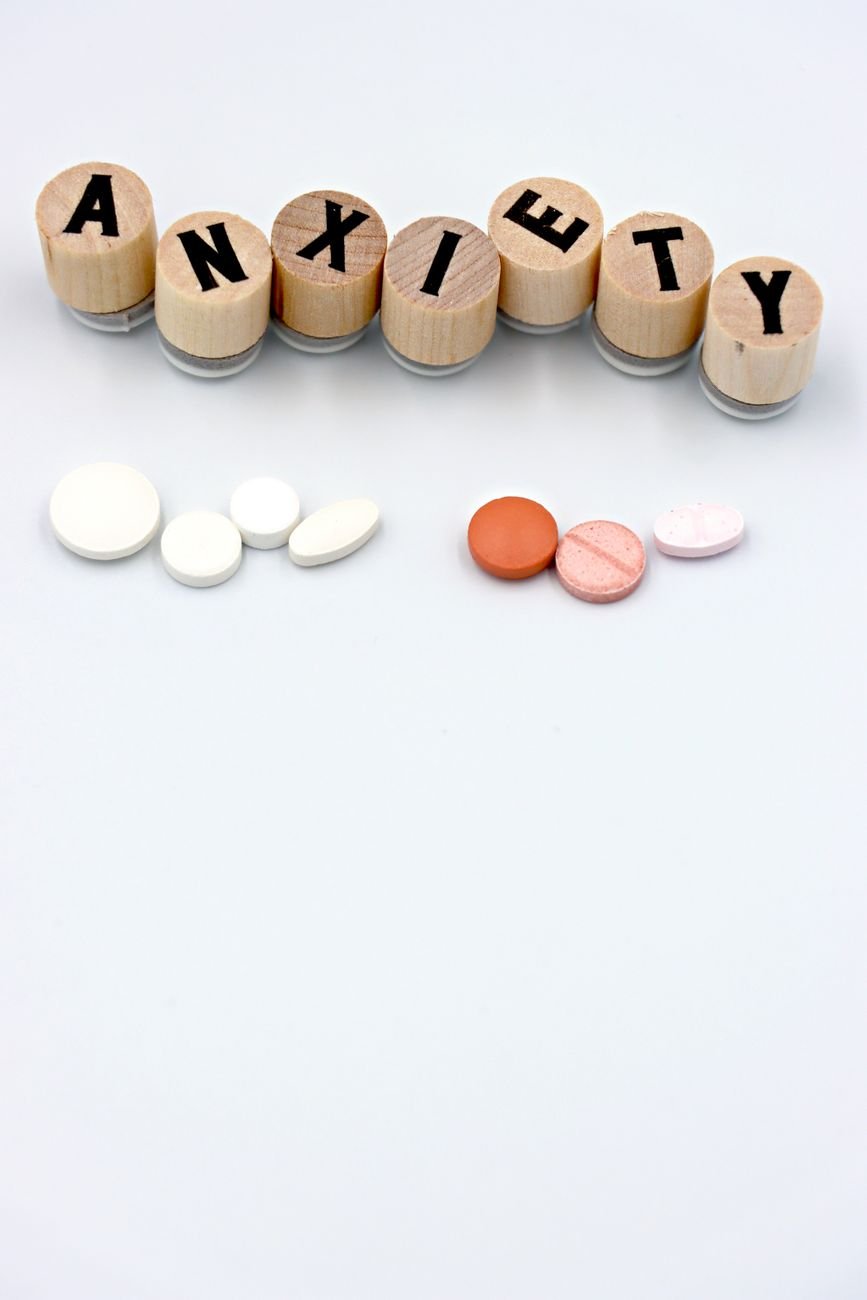
The intricate relationship between what we eat and our mental well-being is increasingly recognized. Nutrition plays a pivotal role in supporting social, emotional, and mental health, influencing everything from mood regulation to anxiety levels and the management of depressive symptoms.
Diet and Mental Health: A Powerful Connection
Many people consider food to be a form of medicine, and indeed, dietary choices can significantly impact how we feel. A balanced diet is a critical component of overall health, including mental health. Certain foods are known to boost mood, while others can exacerbate negative feelings or symptoms of mental health conditions.
Understanding Food Triggers for Anxiety
Anxiety is a common mental health condition, and diet can play a role in its manifestation and severity. For instance, excessive sugar consumption has been linked to worsening anxiety and an increased likelihood of depression. Certain foods may act as triggers for anxiety symptoms in susceptible individuals. Some reports suggest a connection between gluten and anxiety, while others point to caffeine as a potential contributor to increased anxiety and panic attacks. Regularly feeling anxious after eating could indicate specific dietary sensitivities or underlying gut issues.
The Gut-Brain Axis and Anxiety Relief
The health of our gut is profoundly connected to our mental well-being. Gut dysbiosis, an imbalance of beneficial bacteria in the gut, may contribute to anxiety. A healthy gut can play a crucial role in managing anxiety. Incorporating foods that support gut health can be a strategy for easing anxiety. Additionally, various foods are recognized for their potential to help relieve stress and nervousness, including specific ingredients for tonics and certain types of teas known for their calming properties.
Supplements for Anxiety Management
Beyond dietary adjustments, certain supplements have shown promise in managing anxiety symptoms. Research indicates that magnesium, vitamin D, and omega-3 fatty acids may help alleviate anxiety. Magnesium, an essential mineral, is particularly noted for its potential benefits in anxiety relief. Furthermore, some herbal supplements are recognized for their calming effects and may assist in managing anxiety symptoms.
Nutrition and Depression: Supporting Mood Through Diet
Healthy eating is fundamental for mental health and well-being, especially for individuals experiencing depression. Diets high in sugar can be particularly detrimental, potentially worsening depressive symptoms. The relationship between diet and depression is complex, with various factors influencing individual experiences. For example, discussions exist around the potential links between veganism and depression, or the ketogenic diet’s effects on mood. A deficiency in vitamin D has also been associated with depression symptoms, highlighting the importance of adequate nutrient intake.
Herbs and Supplements for Depression
Just as with anxiety, certain herbs and supplements may offer support for depression. Some herbal treatments are explored for their potential to help manage depressive symptoms. Specific vitamins have been linked to seasonal depression, suggesting that addressing deficiencies could be beneficial. Additionally, supplements aimed at boosting dopamine levels are sometimes considered for their potential to improve mood, given dopamine’s critical role in the body’s reward and motivation systems.
Other Important Nutritional Considerations
Beyond specific foods and supplements, other nutritional factors impact mental health. Dehydration, for instance, can contribute to anxiety, emphasizing the importance of adequate fluid intake. The field of psychiatric nutrition explores the significant role diet plays in both physical and mental well-being, offering insights into how food choices can influence our emotional state. It’s also important to address anxiety about food itself, which can be a symptom of underlying issues like eating disorders.
Leave a Reply