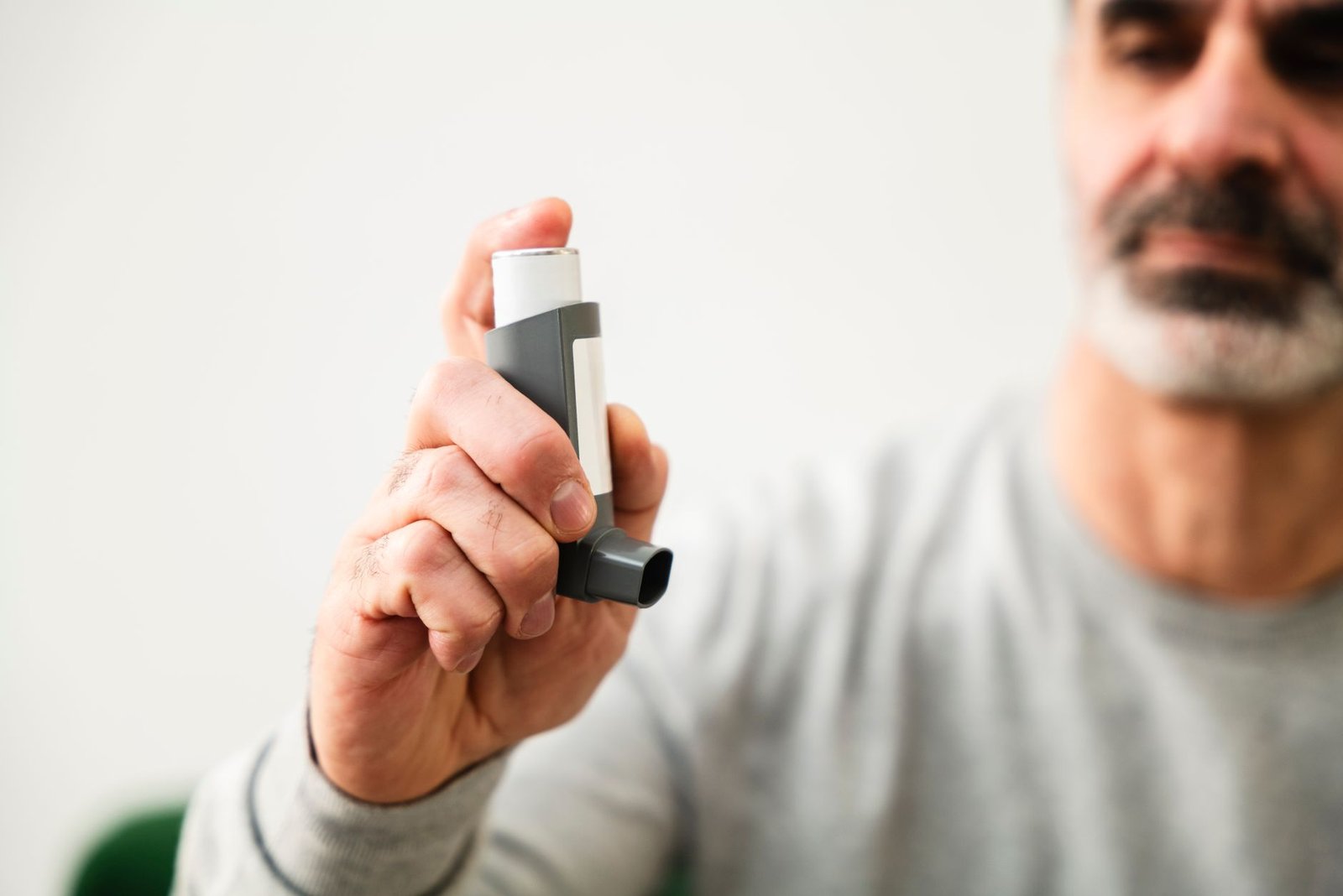
Spiriva (tiotropium bromide) is a widely prescribed brand-name inhaler used to manage symptoms of chronic obstructive pulmonary disease (COPD) and asthma in adults and some children. It is also available in a generic version. This medication serves as a once-daily maintenance treatment to help prevent COPD flare-ups and asthma attacks. It is crucial to understand that neither form of Spiriva is approved for use as a rescue inhaler to stop an active respiratory episode.
Understanding Spiriva
Spiriva contains the active ingredient tiotropium, which is responsible for its therapeutic effects. Tiotropium belongs to a class of drugs known as anticholinergics. Spiriva is available in two distinct forms: Spiriva Handihaler and Spiriva Respimat. The specific form prescribed depends on factors such as the patient’s age and the condition being treated.
Spiriva Respimat
Spiriva Respimat consists of a cartridge containing a liquid form of Spiriva and an inhaler device called the Respimat. This device delivers the Spiriva liquid as a fine mist, which is then inhaled by the user.
Spiriva Handihaler
Spiriva Handihaler comes with capsules containing Spiriva powder and an inhaler device known as the Handihaler. The Handihaler device pierces the capsule, allowing the user to breathe in the Spiriva powder.
Uses of Spiriva
Spiriva is indicated for the treatment of asthma and chronic obstructive pulmonary disease (COPD). The choice between Spiriva Respimat and Spiriva Handihaler is determined by the treating physician based on the patient’s condition.
Spiriva for COPD
Both Spiriva Respimat and Spiriva Handihaler are utilized in the treatment of COPD in adults. COPD is a chronic lung condition that progressively worsens over time, typically involving a combination of emphysema and chronic bronchitis. For individuals with COPD, daily use of Spiriva helps relax and keep the airways open, facilitating easier breathing and symptom relief.
Spiriva for Asthma
Spiriva Respimat is prescribed for the treatment of asthma in adults and children aged 6 years and older. The Spiriva Handihaler is not used for asthma treatment; its use is restricted to COPD. Asthma is characterized by inflammation and narrowing of the airways, leading to symptoms such as wheezing, coughing, chest tightness, and shortness of breath. Daily Spiriva use for asthma helps relax airways, maintain their openness, ease breathing, relieve symptoms, and prevent asthma attacks.
It is important to reiterate that Spiriva is not a rescue inhaler. It will not provide immediate relief during an asthma attack or a COPD flare-up. Patients should continue to use their prescribed rescue inhaler as directed by their physician for sudden breathing difficulties or worsening symptoms.
Spiriva Side Effects
Like most medications, Spiriva can cause side effects, which may be mild or serious. The following lists outline some commonly reported side effects. This is not an exhaustive list, and patients should consult their doctor or pharmacist for comprehensive information.
Mild Side Effects
- Sore throat
- Dry mouth
- Headache
- Upper respiratory infection (e.g., common cold)
- Blurry vision
- Indigestion (upset stomach)
Many mild side effects often resolve within a few days or weeks. If they become bothersome, medical advice should be sought for management strategies.
Serious Side Effects
Serious side effects from Spiriva are uncommon but can occur. Immediate medical attention is necessary if any serious side effects are experienced. These may include:
- New or worsened urinary retention (difficulty completely emptying the bladder)
- Paradoxical bronchospasm (sudden tightening of airways immediately after a dose)
- Serious allergic reaction, including anaphylaxis and angioedema
Spiriva Dosage
The appropriate dosage of Spiriva is determined by a healthcare professional. The following information outlines commonly used dosages, but patients should always adhere to their doctor’s specific prescription.
Forms and Strengths
- Spiriva Respimat: This device delivers a liquid mist. It is available in two strengths: 1.25 micrograms (mcg) per puff and 2.5 mcg per puff.
- Spiriva Handihaler: This device uses capsules containing Spiriva powder. Each capsule contains 18 mcg of Spiriva.
Recommended Dosages for Asthma and COPD
Regardless of the condition being treated (asthma or COPD), the recommended dosage for Spiriva is typically two puffs per day. The specific form and strength prescribed will depend on the individual’s condition.
Dosing Considerations
- Missed Dose: If a dose is missed, it should be taken as soon as remembered. However, if it is almost time for the next scheduled dose, the missed dose should be skipped, and the regular dosing schedule resumed. Double doses should not be taken to compensate for a missed dose, as this can increase the risk of side effects.
- Long-term Use: Spiriva is intended for long-term treatment. If deemed safe and effective, patients will likely use it indefinitely.
- Onset of Action: Spiriva begins to open airways approximately one hour after the first dose. However, noticeable symptom improvement may take several weeks. Patients with questions about treatment expectations should consult their doctor.
Overdose Information
In the event of suspected overdose, medical advice should be sought immediately. Contact a doctor or a poison control center. For severe symptoms, emergency services should be contacted without delay.
Frequently Asked Questions About Spiriva
Can Spiriva capsules be swallowed?
No, Spiriva capsules are strictly for oral inhalation using the Handihaler device and should never be swallowed. Swallowing the capsules renders the medication ineffective for COPD, as it would be processed through the digestive tract rather than the lungs. Capsules should be stored in their sealed blister packaging and only inserted into the Handihaler device immediately before use. Accidental ingestion warrants immediate consultation with a doctor or poison control center.
How should Spiriva devices be cleaned and dried?
Regular cleaning of Spiriva devices is essential to prevent drug buildup, blockages, and contamination. Cleaning should be performed without cleaning agents, detergents, or heat sources like hair dryers.
- Spiriva Respimat: The mouthpiece, including its internal metal element, should be cleaned at least once per week using only a clean, damp cloth or tissue. The Respimat device or cartridge should not be rinsed or submerged in water.
- Spiriva Handihaler: This device can be rinsed as needed under warm running water. While rinsing, the green piercing button should be pressed multiple times to clear the needle and center chamber of any residual gelatin or powder. After rinsing, excess water should be tapped out on a paper towel, and the device should be air-dried with the dust cap, mouthpiece, and base fully open. The Handihaler should not be used while wet.
How long does a Spiriva Respimat inhaler last after opening?
A Spiriva Respimat inhaler must be discarded exactly three months after its first use, or when the dose indicator reaches the end of the red scale, whichever occurs first. The device will automatically lock once it is empty, typically after 60 full doses.
Considerations Before Taking Spiriva
Before initiating Spiriva treatment, a thorough discussion with a doctor about overall health, existing medical conditions, and current medications is crucial. These factors can influence the suitability of Spiriva.
Drug Interactions
Spiriva, being an anticholinergic, can interact with other drugs, particularly other anticholinergics. Examples of such drugs include ipratropium (Atrovent HFA), oxybutynin (Ditropan XL), and revefenacin (Yupelri). This list is not exhaustive, and patients should consult their doctor or pharmacist for comprehensive information on potential drug interactions.
Warnings and Health Interactions
Spiriva may cause adverse effects in individuals with certain pre-existing conditions. These drug-condition interactions, along with other factors, determine if Spiriva is an appropriate treatment option. Patients should discuss their health history with their doctor before taking Spiriva. Factors to consider include:
- Closed-angle glaucoma
- Urinary retention
- Moderate or severe kidney problems
- Previous allergic reaction to Spiriva, its ingredients, or related drugs like ipratropium (Atrovent)
- Pregnancy or breastfeeding status
Spiriva Cost
The cost of prescription medications can vary significantly due to factors such as insurance coverage, pharmacy choice, and whether the brand-name Spiriva or generic tiotropium bromide is prescribed. Savings programs, such as the Spiriva Respimat Savings Card, may be available for eligible patients, potentially reducing out-of-pocket expenses, even for those without insurance.
Questions for Your Doctor
Patients with questions about Spiriva should consult their doctor or pharmacist. Potential questions may include:
- Is Spiriva challenging to use for individuals with arthritis?
- Can Spiriva affect eye conditions other than closed-angle glaucoma?
- What is the overall effectiveness of Spiriva?
- Would a combination inhaler be more suitable for my condition?
- Does Spiriva have any long-term side effects?
Summary
Spiriva (tiotropium bromide) is an effective, once-daily maintenance treatment prescribed to help prevent flare-ups for individuals living with COPD or asthma. It is available as either the dry powder Handihaler or the Respimat aerosol mist inhaler. Both forms are long-term medications designed to help keep airways relaxed and facilitate easier breathing. Patients should discuss with their doctor which form of Spiriva is best suited to manage their daily asthma or COPD symptoms.
Leave a Reply