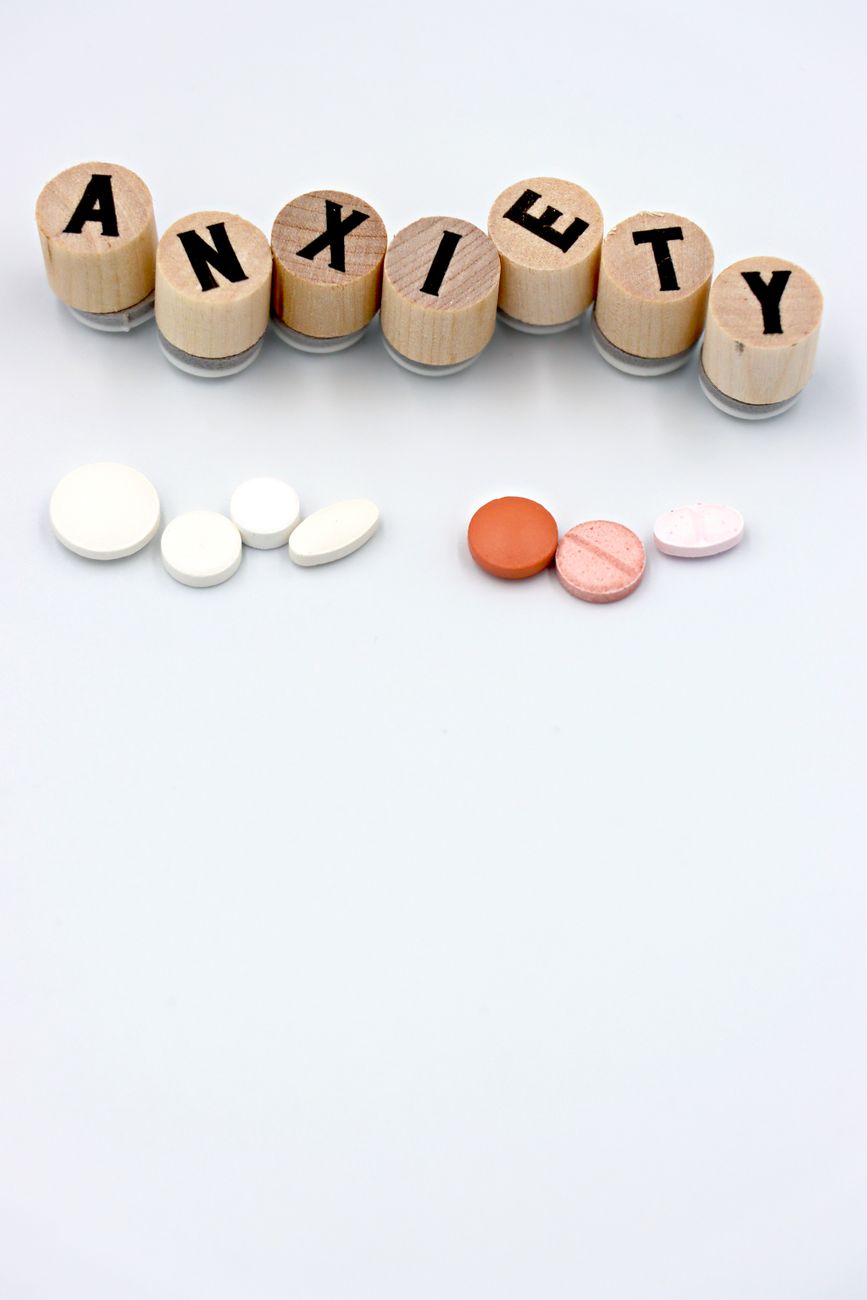
Managing the symptoms of anxiety and depression is crucial for improving overall quality of life. Both conditions can significantly impact daily functioning, but understanding their signs and developing effective coping strategies can make a substantial difference.
Understanding Anxiety Symptoms
Anxiety manifests in various forms, and recognizing its symptoms is the first step toward effective management. Beyond persistent worry, anxiety can present with a range of physical and emotional signs.
Physical symptoms of anxiety are common and can include breathing difficulties, heart palpitations, headaches, and digestive issues like nausea. It can also lead to shortness of breath, often associated with panic, and contribute to sleep disturbances such as insomnia. Chronic anxiety can profoundly interfere with daily life and well-being.
Some individuals may experience a heightened susceptibility to anxiety due to their deep sensitivity to others’ emotions. While the connection is complex, understanding personal predispositions can be helpful.
Understanding Depression Symptoms
Depression extends far beyond simple sadness; it is a complex mood disorder that can affect every aspect of a person’s life. Recognizing its diverse symptoms is vital for proper diagnosis and treatment.
Common signs of depression include persistent sadness, fatigue, and a general lack of interest in activities once enjoyed, a condition known as anhedonia. Individuals may also experience emotional numbness, feeling detached or indifferent, or apathy, characterized by a lack of motivation and engagement in life activities and social interactions.
Untreated depression can have significant effects on the body and mind, with symptoms potentially escalating over time. It is important to distinguish between transient sadness, a normal human emotion, and clinical depression, which is a mental health condition requiring attention.
Managing Symptoms and Seeking Support
Both anxiety and depression can severely impact quality of life. Developing strategies to manage these symptoms, whether through self-help techniques or professional guidance, is essential. Recognizing when symptoms become overwhelming or persistent is key to knowing when to seek professional help.
Leave a Reply