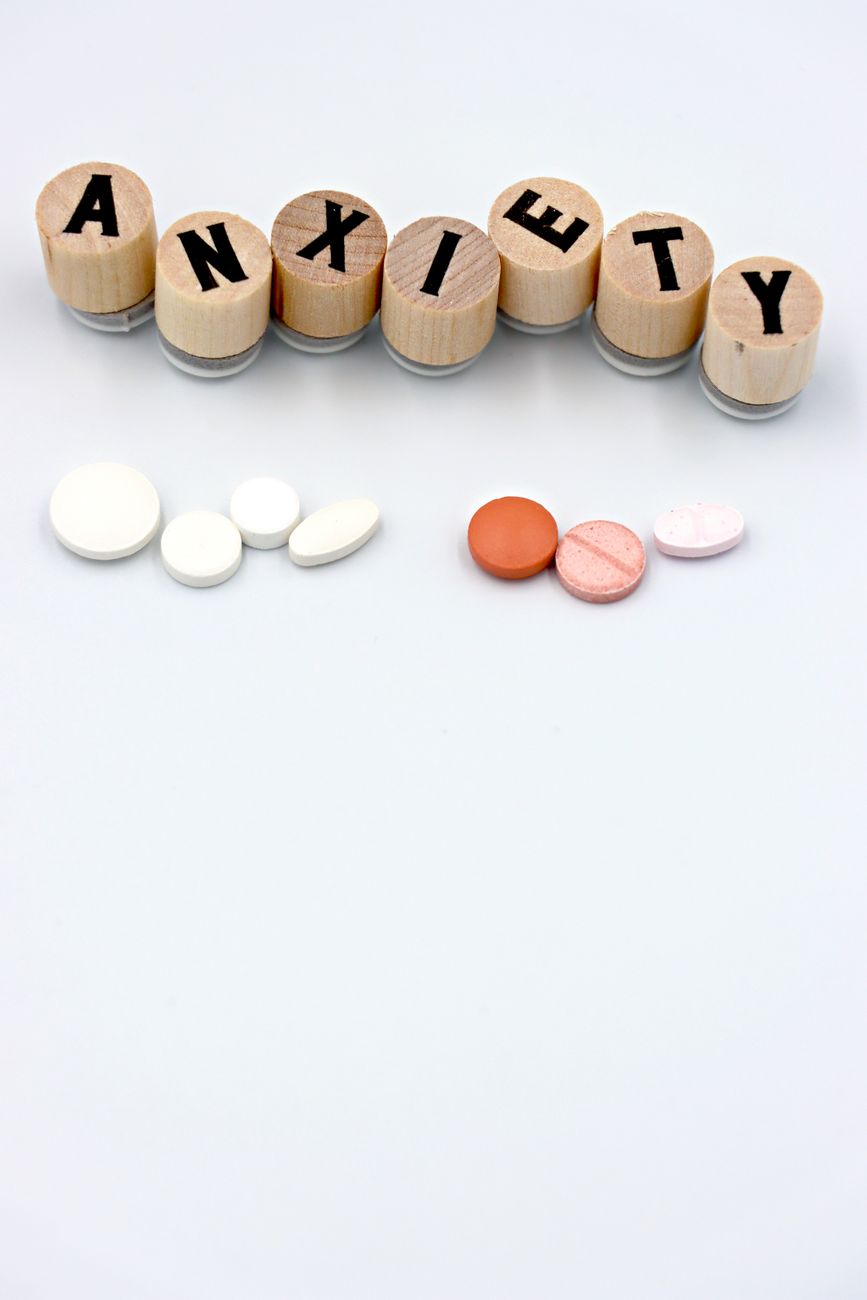
Depression is a complex mental health condition that affects millions of people worldwide. Managing and treating it effectively often requires a multifaceted approach, combining lifestyle adjustments, professional therapy, and medical interventions tailored to individual needs.
Lifestyle Changes and Natural Remedies
Incorporating daily habits can significantly support depression recovery. Regular physical exercise, mind-body practices like meditation, and natural serotonin-boosting techniques can improve mood and energy levels. Additionally, light therapy has proven beneficial for seasonal depressive symptoms, offering a non-invasive way to regulate circadian rhythms.
Therapeutic Approaches to Mental Health
Psychotherapy remains a cornerstone of depression treatment. Cognitive Behavioral Therapy (CBT) helps individuals identify and modify negative thought patterns, while Behavioral Activation focuses on setting achievable goals to overcome lack of motivation. Depending on the severity of the condition, individuals may choose between structured inpatient programs or flexible outpatient rehabilitation.
Medical Treatments and Antidepressants
For many, prescription medications such as antidepressants are essential for managing chemical imbalances in the brain. Commonly prescribed options like selective serotonin reuptake inhibitors (SSRIs) or atypical antidepressants like bupropion can be highly effective, though they may come with side effects that require careful monitoring by a healthcare professional. In some cases, combination therapies yield the best results.
Advanced Options for Resistant Depression
When standard treatments do not provide relief, alternative options like Transcranial Magnetic Stimulation (TMS) offer hope. TMS is a non-invasive procedure that uses magnetic fields to stimulate nerve cells in the brain, helping to alleviate symptoms of treatment-resistant depression.
Leave a Reply